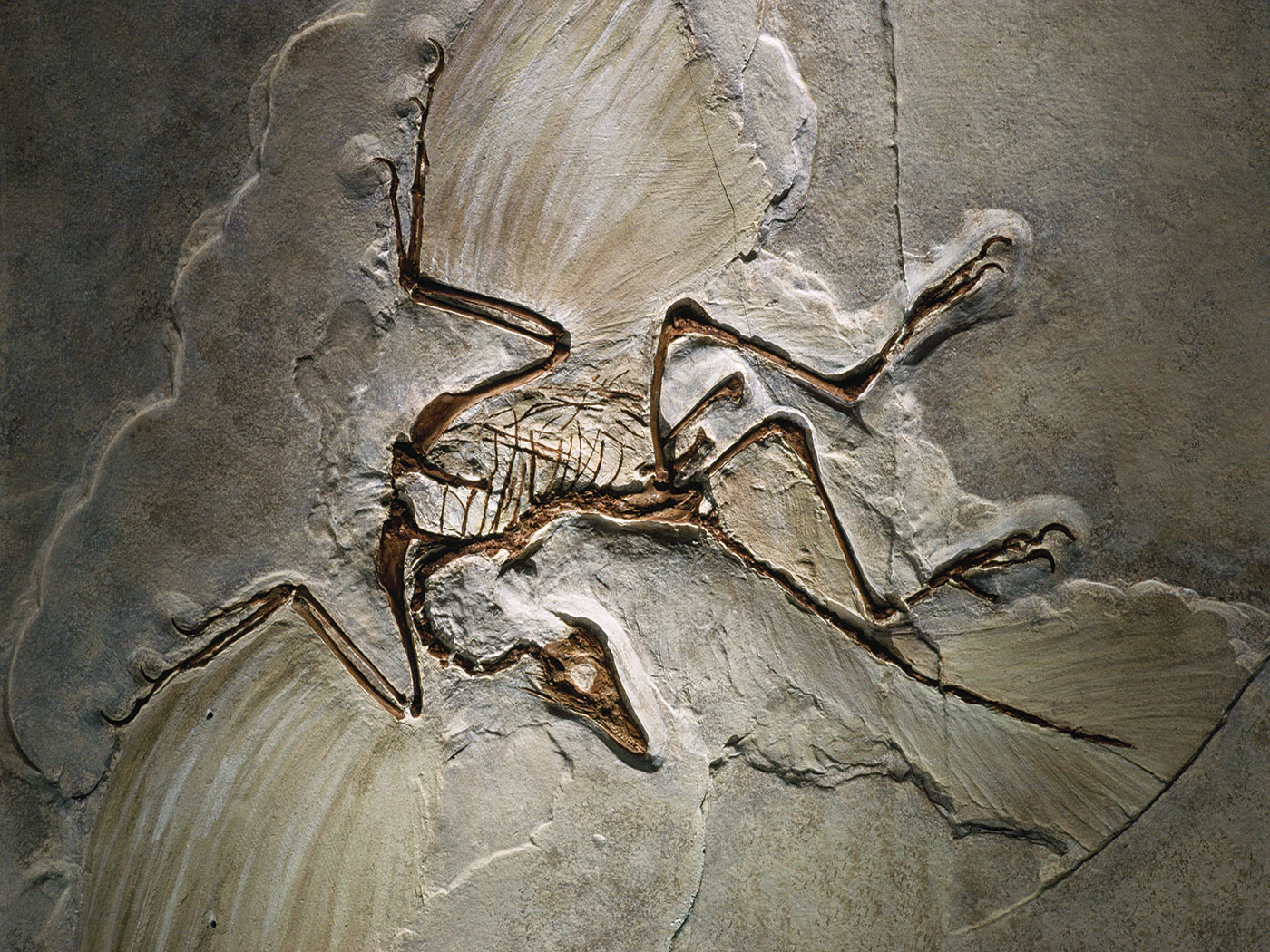
A remarkable fossil find in Australia has scientists buzzing—literally. In the Talbragar Fish Beds of New South Wales, researchers discovered a beautifully preserved midge fossil, Telmatomyia talbragarica. The study, published in Gondwana Research, identifies it as the oldest known freshwater midge in the Southern Hemisphere.1 With its delicate wings and unusual anchoring disc, this fossil offers a fascinating look at precision and purpose in insect design.
The key feature that caught scientists’ attention was a terminal disc—a small, circular pad that likely helped the insect attach to rocks in flowing water. Similar discs appear in some marine midges, where they act like natural suction cups. These pads let the insects hold tight to where they are, even in strong currents.1 This clever system shows clear engineering foresight—a ready-made design for stability and survival in moving water. Rather than showing a slow process of change, the fossil reveals a fully formed creature, complete and functional from the start.
The Talbragar fossil also stands out for its remarkable preservation. Every part—wings, body, and anchoring disc—is sharply outlined in fine-grained sediment. This kind of detail points to rapid burial by water, not slow buildup over long ages. The fine sediments and excellent preservation reveal sudden, high-energy deposition—conditions consistent with a catastrophic flood event. Creation geologists note that the Talbragar beds fit this picture perfectly, having been formed during Flood conditions rather than gradual processes.2 The fossil’s completeness and clarity display not only the power of that event but also the enduring craftsmanship of the Creator, whose designs remain visible even in stone.
The midge’s structure also shows how living things solve difficult challenges. The terminal disc is more than a curiosity—it is a piece of integrated design. Its round shape spreads pressure evenly, while its textured surface increases grip. Its position at the tail keeps the insect stable against the flow. Each part supports the others in perfect harmony. Engineers use the same ideas today in robotics and aquatic machinery—another reminder that God’s designs remain the model for human innovation.
Conventional scientists describe these traits as evolutionary adaptations, yet the clear coordination and purpose built into every part make intentional creation the far more reasonable explanation. Dr. Randy Guliuzza notes that organisms often have built-in systems of adaptability—mechanisms that help them adjust to new conditions without relying on random mutation or chance.3 The midge’s anchoring disc fits that idea perfectly. It is flexible, purposeful, and fully functional—just as we would expect from a wise Designer.
Even the fossil’s dating raises questions. Conventional scientists estimated it to be about 151 million years old using radiometric methods.1 Yet these methods depend on starting conditions that cannot be proven.4 Creation researchers suggest a simpler explanation. The layers and fossils likely formed through rapid geological change during the global Flood.2 The midge’s exquisite preservation fits this view better than one based on slow, natural processes.
In the end, this tiny Jurassic midge tells a big story. Its detailed anchoring system, complete form, and rapid burial reveal a world designed with foresight and care. Every fossil etched in rock reminds us that God’s engineering is complete, functional, and beautiful from the beginning. Even the smallest fly gives testimony to the wisdom and creativity of the Master Designer.
References
- Baranov, V. A. et al. 2025. A Jurassic Non-Biting Midge (Diptera: Chironomidae) from the Talbragar Fish Bed (New South Wales, Australia): Implications for the Evolution of Freshwater Insects. Gondwana Research. 132: 1–10.
- Baumgardner, J. 2003. Catastrophic Plate Tectonics: The Physics Behind the Genesis Flood. Proceedings of the International Conference on Creationism. 5, article 13: 113–126.
- Guliuzza, R. 2012. Engineered Adaptability. Acts & Facts. 41 (10): 11–14.
- Snelling, A. Radiometric Dating: Problems with the Assumptions. Answers in Genesis. Posted on answersingenesis.org October 1, 2009.
* Dr. Corrado earned a Ph.D. in systems engineering from Colorado State University and a Th.M. from Liberty University. He is a freelance contributor to ICR’s Creation Science Update, works in the nuclear industry, and is a Captain in the U.S. Naval Reserve.