Until these discoveries, it was believed that most dinosaurs laid hard-shelled eggs, similar to birds. In fact, most theropod dinosaurs (meat-eaters) and duck-billed dinosaurs (hadrosaurs) did lay hard-shelled eggs, and possibly some long-necked dinosaurs (sauropods) too.3
Mark Norell of the American Museum of Natural History in New York and lead author of the first study explained,
The assumption has always been that the ancestral dinosaur egg was hard-shelled. Over the last 20 years, we’ve found dinosaur eggs around the world. But for the most part, they only represent three groups—theropod dinosaurs, which includes modern birds, advanced hadrosaurs like the duck-bill dinosaurs, and advanced sauropods, the long-necked dinosaurs. At the same time, we’ve found thousands of skeletal remains of ceratopsian [horn-headed] dinosaurs, but almost none of their eggs. So why weren’t their eggs preserved? My guess—and what we ended up proving through this study—is that they were soft-shelled.3
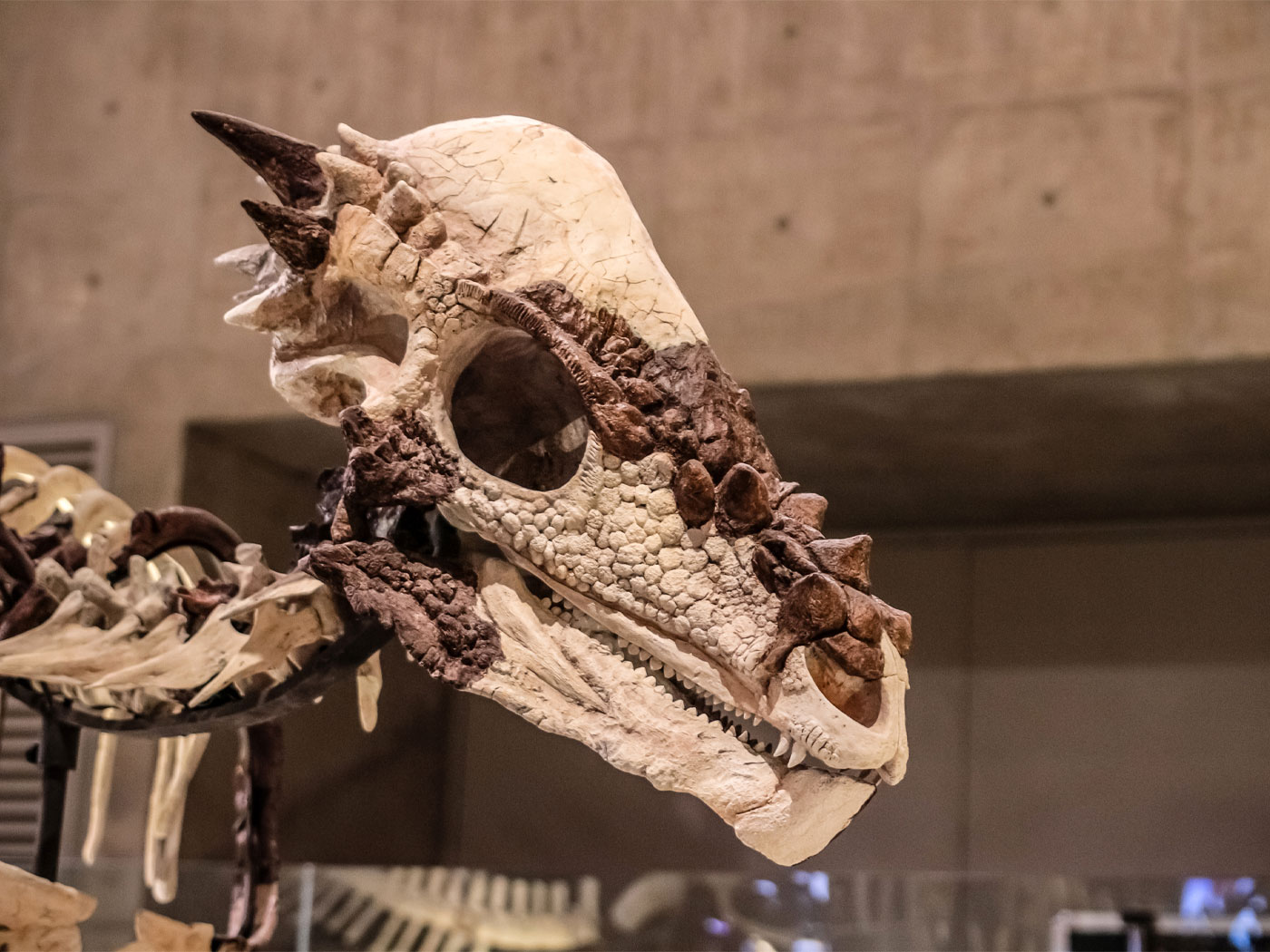
Norell and his co-authors studied a clutch of twelve Protoceratops (horn-headed) dinosaur eggs, containing embryos, next to an adult specimen, confirming the identification. The Protoceratops fossils were from Upper Cretaceous strata in Mongolia.1 They also examined eggs from a long-necked Musssaurus found in Triassic System rocks in Argentina, located well below the Cretaceous level.1
Co-author of the first study, Matteo Fabbri, a student at Yale University, added,
From our study, we can...now say that the earliest archosaurs—the group that includes dinosaurs, crocodiles, and pterosaurs—had soft eggs. Up to this point, people just got stuck using the extant archosaurs—crocodiles and birds—to understand dinosaurs.3
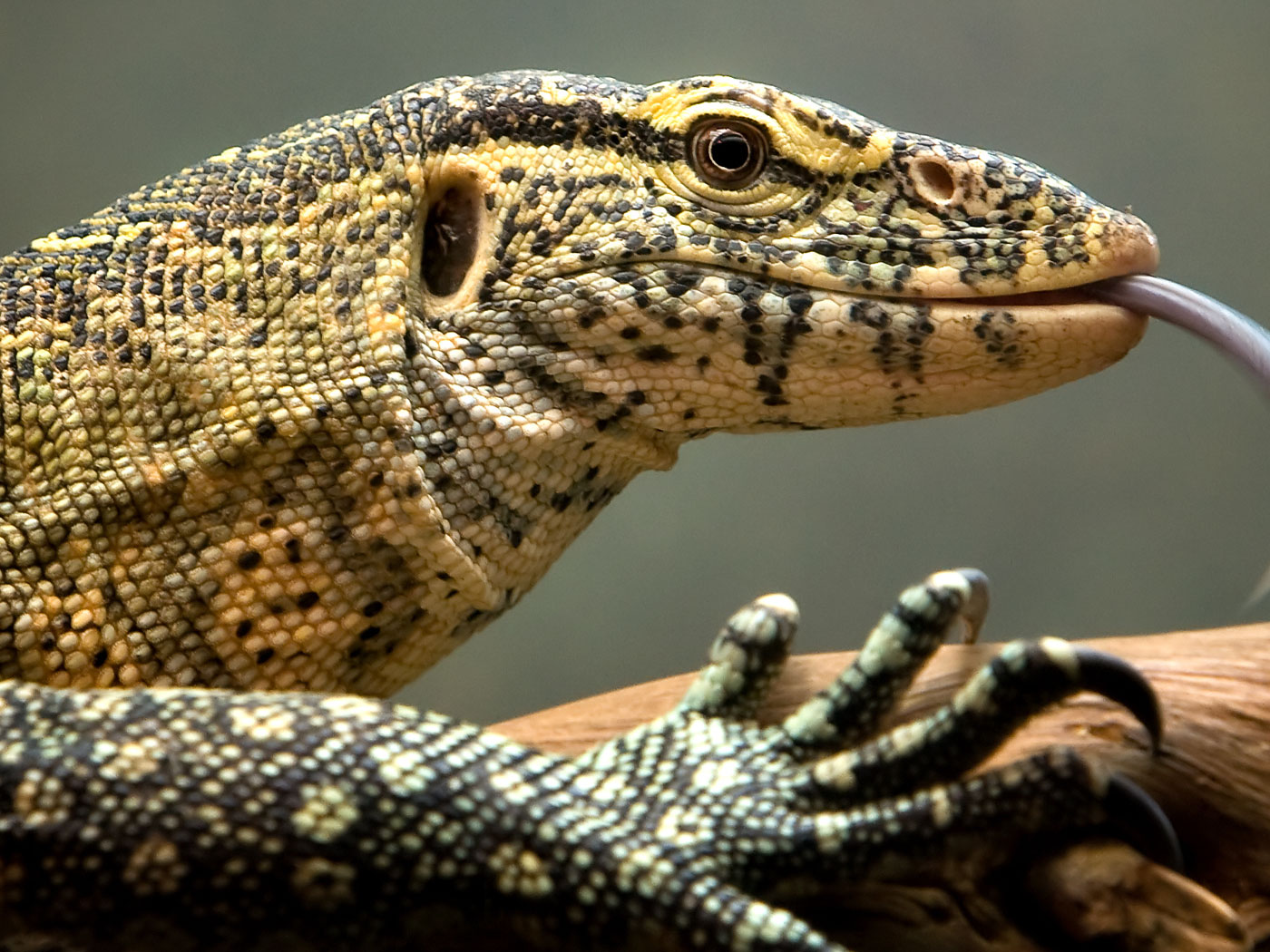
Creation scientists disagree that these were the “earliest” evolved types of dinosaurs (archosaurs). They are merely the earliest dinosaurs trapped and fossilized in the global Flood. Nonetheless, this study shows that many dinosaurs laid soft eggs, more like snakes and turtles, and unlike most birds. Unfortunately, for the evolutionary scientists, this also makes the commonly held belief in a dinosaur to bird evolution a little tougher to swallow. Instead, it makes the reproductive lifestyle of many dinosaurs more like cold-blooded lizards.
To try and maintain their bird-dinosaur connection, in spite of these findings, evolutionary scientists have had to resort to rather outlandish claims of multiple episodes of hard-shelled egg evolution. Norell and his colleagues concluded,
The calcified, hard-shelled dinosaur egg evolved independently at least three times throughout the Mesozoic era, explaining the bias towards eggshells of derived dinosaurs in the fossil record.1
But random evolutionary processes should never produce the same feature three separate times. This is merely a fictional story to maintain the illusion that there is still a strong bird-dinosaur connection—a rescuing device based on little, if any, evidence.
The second study also found that large marine reptiles may have laid soft-shelled eggs too.3 Lead author Lucas Legendre, from the University of Texas at Austin, and his colleagues described the fossil egg from Antarctica:
The new fossil, visibly collapsed and folded, presents a thin eggshell with a layered structure that lacks a prismatic layer and distinct pores, and is similar to that of most extant lizards and snakes (Lepidosauria). The identity of the animal that laid the egg is unknown, but these preserved morphologies are consistent with the skeletal remains of mosasaurs (large marine lepidosaurs) found nearby.2
The egg measured 11.4 inches long and 7.9 inches wide and was deflated and folded over making it difficult to recognize as an egg. Julia Clarke, also from UT Austin and one of the co-authors of the study, added,
It is exceedingly rare. Nothing like this, in size and structure, has been found before. And no eggshell of any kind was known from Antarctica. That soft-shelled eggs could get so big was a huge surprise.3
Part of the reason this large egg is believed to be from a marine reptile is because it was found in marine rock layers.2 As we know from the fossil record, other marine reptiles (like ichthyosaurs) appear to have given birth in the water to live young.4 They didn’t lay eggs.
If another type of marine reptile, such as a mosasaur, laid this egg, then it creates a bit of a logistical problem. How exactly would these large marine reptiles crawl onto a beach to lay eggs? Or did they lay these eggs in water?
Clarke concluded,
No dinosaurs of the body size necessary to be the egg layer are known from Antarctica. All known dinosaur eggs of a size approaching that of the new egg are hard shelled and with a much thicker shell. All soft shelled eggs reported for dinosaurs are much smaller. Dinosaurs lay eggs on land while marine reptiles reproduce in the water. If this was from a giant unknown dinosaur in Antarctica, it needed to stay intact during its voyage from land to sea. The egg is nearly complete and very thin, which is much more consistent with a short voyage to the sea floor.3
Or, was the egg rapidly buried in tsunami-like waves of the global Flood and mixed in with other marine fossils so it appears to have been washed out to sea? New discoveries are needed to reveal a clear answer.
It is unclear which animal laid this large, football-sized egg—a dinosaur or a swimming reptile. But it does show that soft-shelled eggs were more common than thought, even among the dinosaurs.1
These discoveries of dinosaurs and other extinct reptiles laying soft-shelled eggs deflates the claims of dinosaur-bird evolution. God created bird kinds on Day 5 of creation week and dinosaur kinds on Day 6. Each reproduced after their own kind.
Stage image: Fossilized Protoceratops eggs and embryos.
Stage image credit: M. Ellison/AMNH. Copyright © 2020. Adapted for use in accordance with federal copyright (fair use doctrine) law. Usage by ICR does not imply endorsement of copyright holders.
References
1. Norell, M.A., et al. 2020. The first dinosaur egg was soft. Nature. DOI: 10.1038/s41586-020-2412-8.
2. Legendre, L.J., et al. 2020. A giant soft-shelled egg from the Late Cretaceous of Antarctica. Nature. DOI: 10.1038/s41586-020-2377-7.
3. Dvorsky, G. 2020. Early dinosaurs and prehistoric sea monsters laid squishy eggs. Gizmodo. Posted on Gizmodo.com June 17, 2020, accessed June 24, 2020.
4. Clarey, T. 2020. Carved in Stone: Geologic Evidence of the Worldwide Flood. Dallas, TX: Institute for Creation Research, 274.
*Dr. Clarey is Research Associate at the Institute for Creation Research and earned his doctorate in geology from Western Michigan University.