 Orphan genes (OGs) are genes that are unique to a specific kind of creature. This is especially significant when creatures that are considered evolutionary ancestors lack these genes. In other words, OGs have no discernable evolutionary ancestry but appear suddenly without any evolutionary precursors—debunking the story of gene evolution and biological evolution in general. And even more interesting is that many OGs play significant roles in environmental adaptation. In laying out this paradigm, I’ll begin with some definitions and will go into conventional speculation on OG origins and why these explanations are unsatisfactory. I’ll then delve into some of their known functions (specifically in adaptation) and finish with some important creationist conclusions.
Definition and Significance of OGs
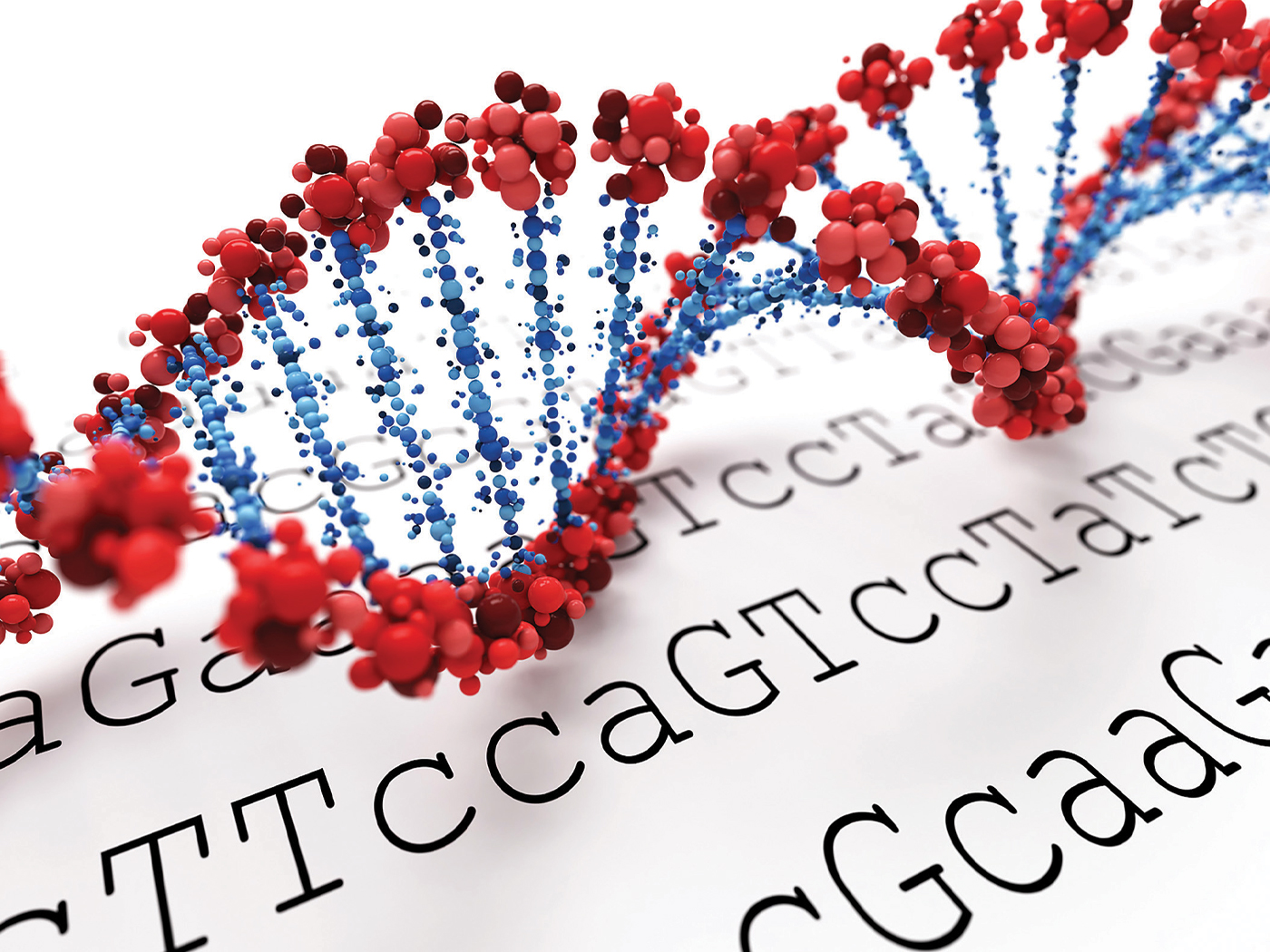
OGs are genes that lack detectable similar DNA sequences, called homologs, outside of a given type of creature or broader taxonomic group. That is, the gene (or its protein product) has no clear similarity in its DNA sequence to genes in more distantly related organisms.1,2 Other terms for OGs include taxonomically restricted genes or lineage-specific genes.3
OGs were first elucidated in the context of the brewer’s yeast (Saccharomyces cerevisiae) genome sequencing project. It was shown that approximately one-third of the genes fell into this category compared to other microorganisms.1 Then OGs began to be discovered in bacterial genomes where the term ORFans was used. This is now the standard term for OGs amongst microbial researchers.
Following these initial discoveries along with the boom in genome sequencing, it became apparent that the OG phenomenon is prevalent across the spectrum of life, including multicellular creatures. In many such genome analyses, OGs make up 10%–30% of genes in any given genome. While many creatures contain similar genes for daily metabolism and other common traits, this huge amount of OG novelty is a big problem for the conventional model of so-called gene evolution.1,2
OGs are also found at different levels in the spectrum of life. In a simplified and general model, there appear to be three different classes of OGs, as illustrated in a recent review paper:3
1) OGs that are shared across a broad group of eukaryotes such as vertebrates but are not found in invertebrates. These are referred to by conventional scientists as evolutionary conserved genes.
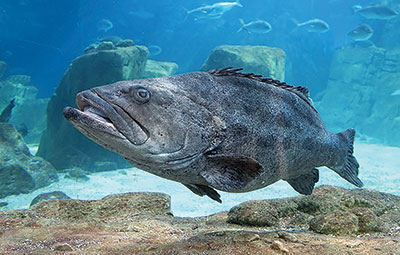
2) OGs that are only shared within a more defined broad group of organisms such as teleost fishes but are not found in non-teleost fishes.
3) OGs that are specific to a certain interbreeding taxonomic group—often called species-specific OGs.
This article will focus on this third category of orphan genes since they are the most evolution-defying.
Conventional Speculation on Mechanisms of Origin
Because evolutionists do not ascribe the design and complexity of the genome to the Creator God, they have come up with a wide variety of speculative mechanisms for the origin of OGs. The most popular idea is called de novo gene birth, where they claim genes somehow arise from noncoding regions of the genome such as areas between genes (intergenic segments) or noncoding regions within genes (introns).1,2 This idea is absolutely untenable since genes are very complex, containing promoters, regulatory elements, open reading frames (if coding for proteins), and many different types of embedded signal sequences to regulate transcription, cellular transport of the RNA product, and translation (protein production).4 To think that such information-rich code could magically pop out of so-called random DNA sequences borders on absurdity. And de novo gene birth has never been scientifically documented. And because the process of this type of “gene birth” has never been observed in the gradual development of a new gene, evolutionists claim that it happens rapidly.
Another speculative mechanism is that OGs diverge from existing genes, where a gene is duplicated and then somehow becomes so mutated in its sequence through copying errors or other damage that the duplicated gene appears “orphanish.”1,2 The problem with this idea is that random genetic errors, especially on a massive scale, can never create new and useful information. Furthermore, genetic corruption on the scale required to radically alter a gene are not allowed to occur in the genome due to the effective application of built-in DNA surveillance and error-correction systems that are constantly at work to protect the chromosomes from such dangerous activity.
Yet another proposed mechanism is the precise rearrangement of preexisting genes that actually occurs in a single step during chromosomal recombination during meiosis. This can include gene fusion, gene fission, exon shuffling, and other rearrangements.1,2 These structural changes in the genome can produce novel combinations and new reading frames. The problem with this idea for evolutionists is that genetic recombination is a highly regulated, nonrandom process, and these sorts of functional structural variants are part of built-in design features to create adaptive variability. If genetic recombination were not strictly controlled, organisms would soon die.
Another proposed mechanism for creating OGs involves transposable element activity, which is also a highly regulated process. I will cover the topic of regulated structural genomic changes in an upcoming article.
There is actually one type of mechanism that does introduce new genes into an organism called horizontal gene transfer (HGT), but there are important caveats to this. The problem for the evolutionist is that this is a very rare occurrence in multicellular eukaryotes but is relatively common among bacteria. When HGT does occur in multicellular creatures, it does not lead to new functional genes. For example, among about 66% of insects, the bacterial endosymbiont Wolbachia has had fragments of its genome integrated into the host genome, but the genes and chromosomal segments involved are typically genomic relics and nonfunctional.5 In vertebrates, HGT has not been empirically proven.
Roles in Adaptation
At present, the roles of hundreds of orphan genes have been characterized, but this is just a tiny fraction of the total.6,2 It is known that many of them code for proteins that bind to well-known standard proteins such as transcription factors or cell receptors. Some OG proteins are predator-repelling toxins, some are involved in reproduction, and many are integrated into metabolic and regulatory networks. And some OGs confer resistance to stress and other adaptive traits, which is the topic that will be addressed next.
Because they represent genetic novelty, OGs can be sources of novel functions unique to specific kinds of organisms and their particular needs. Thus, they can underlie adaptation to specific conditions and changing environments. They can also confer specializations in morphology, behavior, physiology, and ecology.2 In fact, current data indicate that OGs can provide unique tools for responding to a diversity of abiotic stresses (e.g., drought, salinity, temperature extremes) that may be specific to the organism’s habitats.2
Cowpea

One study was done in cowpeas (Vigna unguiculata), a domesticated legume, using a breed that was adapted to dry conditions and a breed adapted to wet and humid conditions.7 This study found that drought stress in cowpea roots can induce OGs more than common plant genes, such as those involved in metabolism, growth, and development. In fact, they discovered 578 different OGs were induced by drought, of which 73.2% were predicted to be long noncoding RNAs.8
The researchers then chose one OG that was strongly induced by stress and modified it to be expressed at even higher levels. When they put the modified gene back into the cowpea genome, they found that overexpressing the OG improved drought tolerance even more. And it is worth mentioning that this study is just one of many plant studies linking OGs to adaptive traits in insect pest resistance, pathogen resistance (bacterial and fungal), carbon and nitrogen allocation, root biomass modulation, drought resistance, biosynthesis of adaptive proteins and metabolites, immunity, and cell death regulation.9
Water Flea
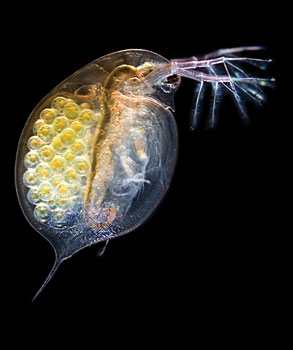
Daphnia pulex is a freshwater crustacean vital to aquatic ponds and lakes. It has a small translucent body (~0.2 and 3.0 mm long) that makes its internal organs, including its heart and digestive tract, easily visible under a microscope. These traits have established it as a key model organism for research in ecology and ecotoxicology, where scientists observe its physiological responses to environmental changes. And as a filter feeder, it plays a critical role in the food web by consuming bacteria, algae, and detritus. It also serves as a key food source for other creatures like fish and other aquatic invertebrates.
For the purpose of this article, Daphnia exhibit extreme adaptive responses to things like crowding, temperature changes, and drought. In harsh conditions, Daphnia produce highly resilient, dormant eggs that can survive extreme environments and then later hatch when circumstances improve. In addition, it can rapidly reproduce asexually under favorable conditions and then switch to sexual reproduction when environmental stressors like crowding or temperature changes occur. When the Daphnia genome was sequenced, it was discovered that over 36% of its 30,907 genes were unique to Daphnia and not found in any other creature.10 This is highly significant because a large portion of these genes were found to change in their expression patterns with specific environmental changes. This led the researchers to call these OGs eco-responsive.
Ants and Other Insects
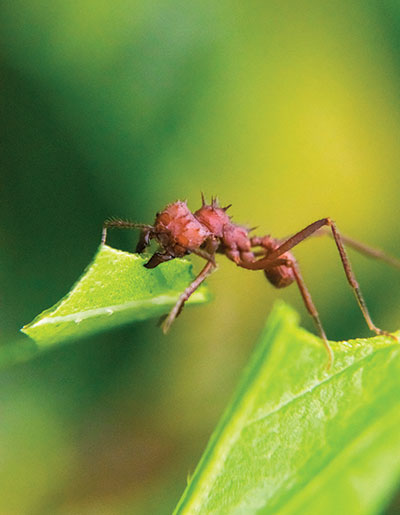
One large study across 30 arthropod genomes (28 insects and two non-insect out-groups) was published with a special focus on complete sequences of seven different ant genomes. The data showed more OGs being found in Hymenoptera (ants and bees) than in Diptera (flies).11 The main difference between these two groups (orders) is that ants and bees are social insects living in large, highly structured colonies, while flies are solitary creatures. More unique and highly specified genetic code is needed for the complex social behavior and different caste anatomies that are required among ants and bees. Remarkably, many orphan genes were unique and unshared even between individual species of ants and bees.
For example, the leafcutter ant (A. echinatior) genome contained a whopping 34,821 genes with 12,151 not found in any other insect or ant species. Not only does the leafcutter ant have a highly complex social structure, but it farms a specific fungus from the leaves its workers cut/harvest in a large fungal garden. The complexity of this ant’s behavior and the specialized digestive system needed to farm and eat fungus require a large set of specialized genes. Averaged over all 30 included insect and arthropod out-group species, approximately 13% of all protein-coding genes lack a similar counterpart in any other species. These numbers fall within the expected range of 10%–30% for species-specific OGs in other studies.
Conclusion
Orphan genes represent an exciting frontier in biology but are a huge problem for the idea of gene evolution since OGs have no evolutionary precursor from which they could have evolved. That’s why evolutionists use the magic phrase: “they evolved rapidly,” meaning they popped up so fast no one saw it coming. Clearly, OGs and their complex code that cannot be explained by random genectic errors are one of the key biological evidences against biological evolution and the spectacularly failing neo-Darwinian paradigm.12
Furthermore, these OGs play very specific adaptive roles, especially for species?specific environmental challenges, morphological novelties, and reproductive functions. And these genes do not operate independently but are precisely integrated into complex gene networks like a gear in a car transmission. All of this together shows that this unique OG code was engineered by the all-powerful and all-wise Creator, the Lord Jesus Christ.
References
- Tautz, D. and T. Domazet-Loso. 2011. The Evolutionary Origin of Orphan Genes. Nature Reviews Genetics. 12 (10): 692–702.
- Fakhar, A. Z. et al. 2023. The Lost and Found: Unraveling the Functions of Orphan Genes. Journal of Developmental Biology. 11 (2): 27.
- Nelson, P. A. and R. J. A. Buggs. 2016. Next-Generation Apomorphy: The Ubiquity of Taxonomically Restricted Genes. In Next Generation Systematics. Cambridge, UK: Cambridge University Press, 237–263.
- Tomkins, J. P. 2025. Gene Complexity Showcases Engineered Versatility. Acts & Facts. 54 (1): 14–17.
- Landmann, F. 2019. The Wolbachia Endosymbionts. Microbiology Spectrum Journal. 7 (2).
- Singh, U. and E. S. Wurtele. Genetic Novelty: How New Genes are Born. eLife. Posted on elifesciences. org February 19, 2020.
- Li, G. et al. 2019. Orphan Genes Are Involved in Drought Adaptations and Ecoclimatic-Oriented Selection in Domesticated Cowpea. Journal of Experimental Botany. 70 (12): 3101–3110.
- Tomkins, J. P. 2025. Long Non-Coding RNAs: The Unsung Heroes of the Genome. Acts & Facts. 54 (4): 14–17.
- Jiang, M. et al. 2022. Research Advances and Prospects of Orphan Genes in Plants. Frontiers in Plant Science. 13, article 947129.
- Colbourne, J. K. et al. 2011. The Ecoresponsive Genome of Daphnia Pulex. Science. 331 (6017): 555–561.
- Wissler, L. et al. 2013. Mechanisms and Dynamics of Orphan Gene Emergence in Insect Genomes. Genome Biology and Evolution. 5 (2): 439–455.
- Tomkins, J. P. Evolution’s Surprising New Critics. Answers Magazine. Posted on answersingenesis.org July 1, 2018.
* Dr. Tomkins is a research scientist at the Institute for Creation Research and earned his Ph.D. in genetics from Clemson University.