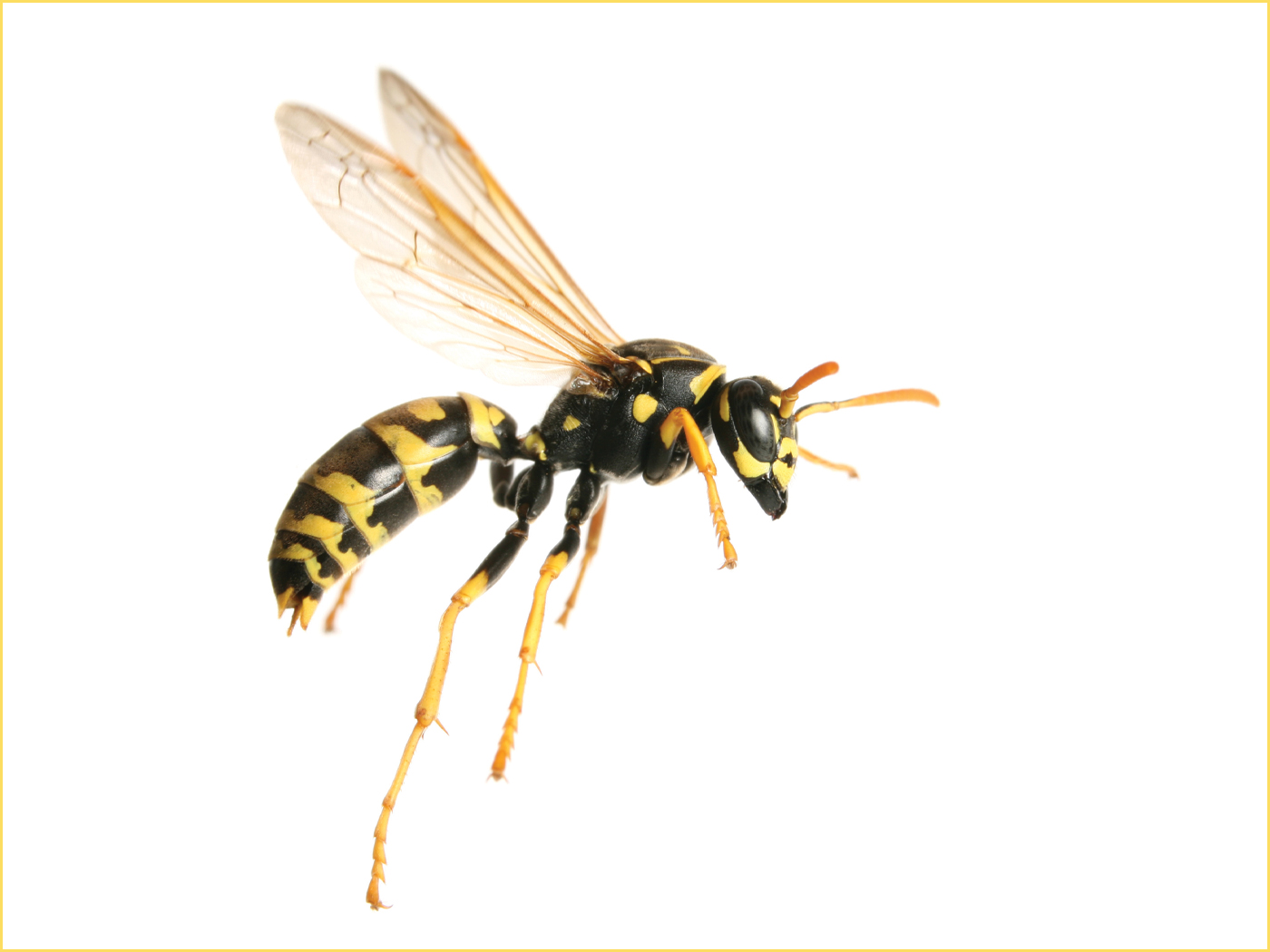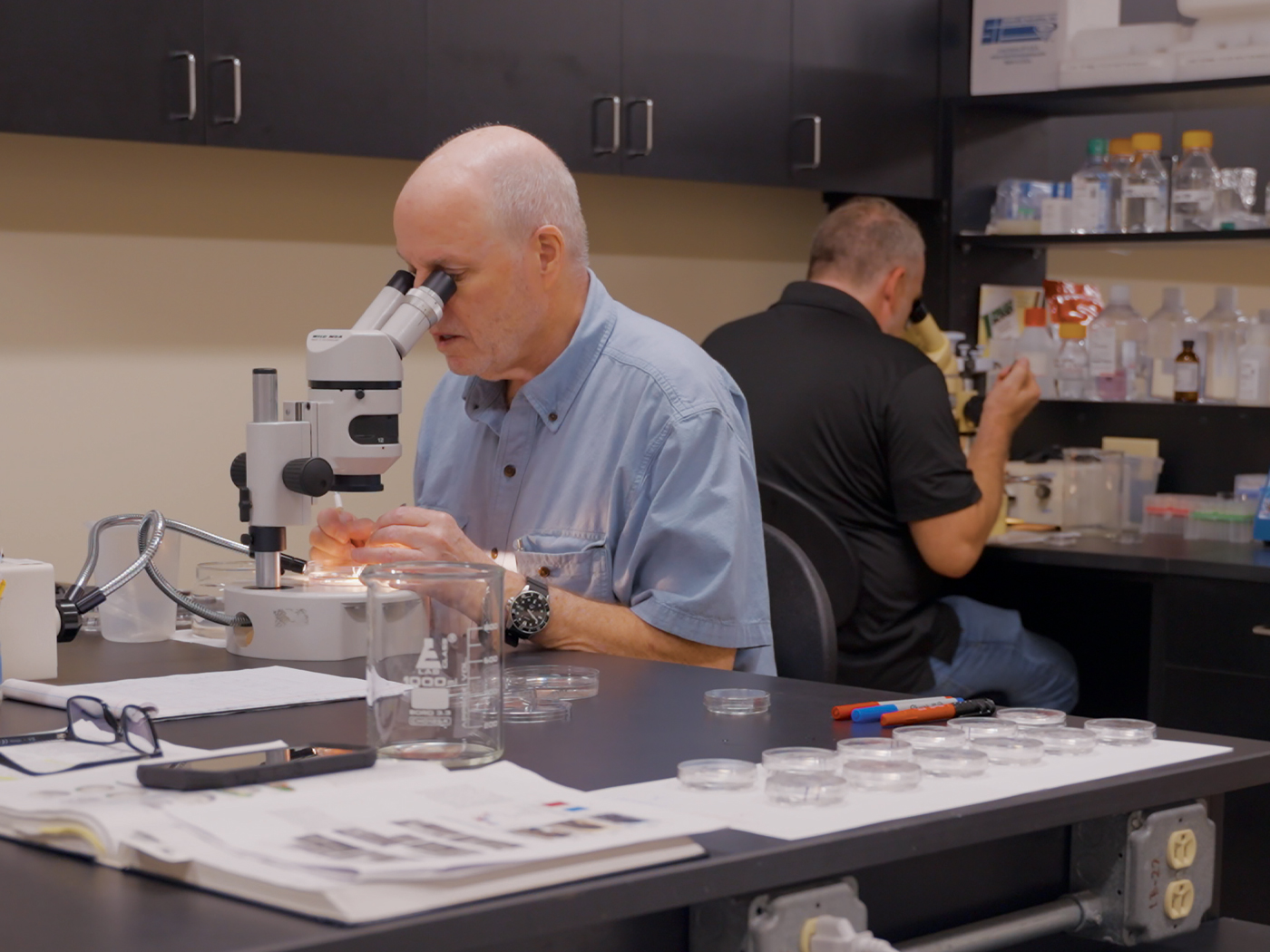



“You need to learn everything about living insects—they are just like the ones we find in the fossil record!” I still remember hearing those words from one of the most prominent paleontologists in the world during my research days at the American Museum of Natural History in New York. That statement has stayed with me, not merely as an observation, but as a powerful testimony to what the evidence itself reveals.
In general, organisms have not changed much over time. But what does “change” really mean? Certainly, we observe variation. We see diversity within groups. Yet we do not observe one created kind transforming into another.1 No transformation from fish to amphibian or reptile to bird is documented in the fossil record. Instead, we consistently find organisms that appear complete, fully formed, and complex.
Small changes do occur. Many adaptations were pre-engineered by our Lord Jesus so that organisms could fill all of Earth’s environments. But they do not result in a different body plan. Such a transformation would require new genetic information. Genetic material can be reshuffled, modified, or even lost, but it has not been observed to generate entirely new complex structures that would redefine a creature into a different kind. These minor adaptations simply express the built-in capability to diversify that God placed within each created kind during creation week. A kind remains a kind.
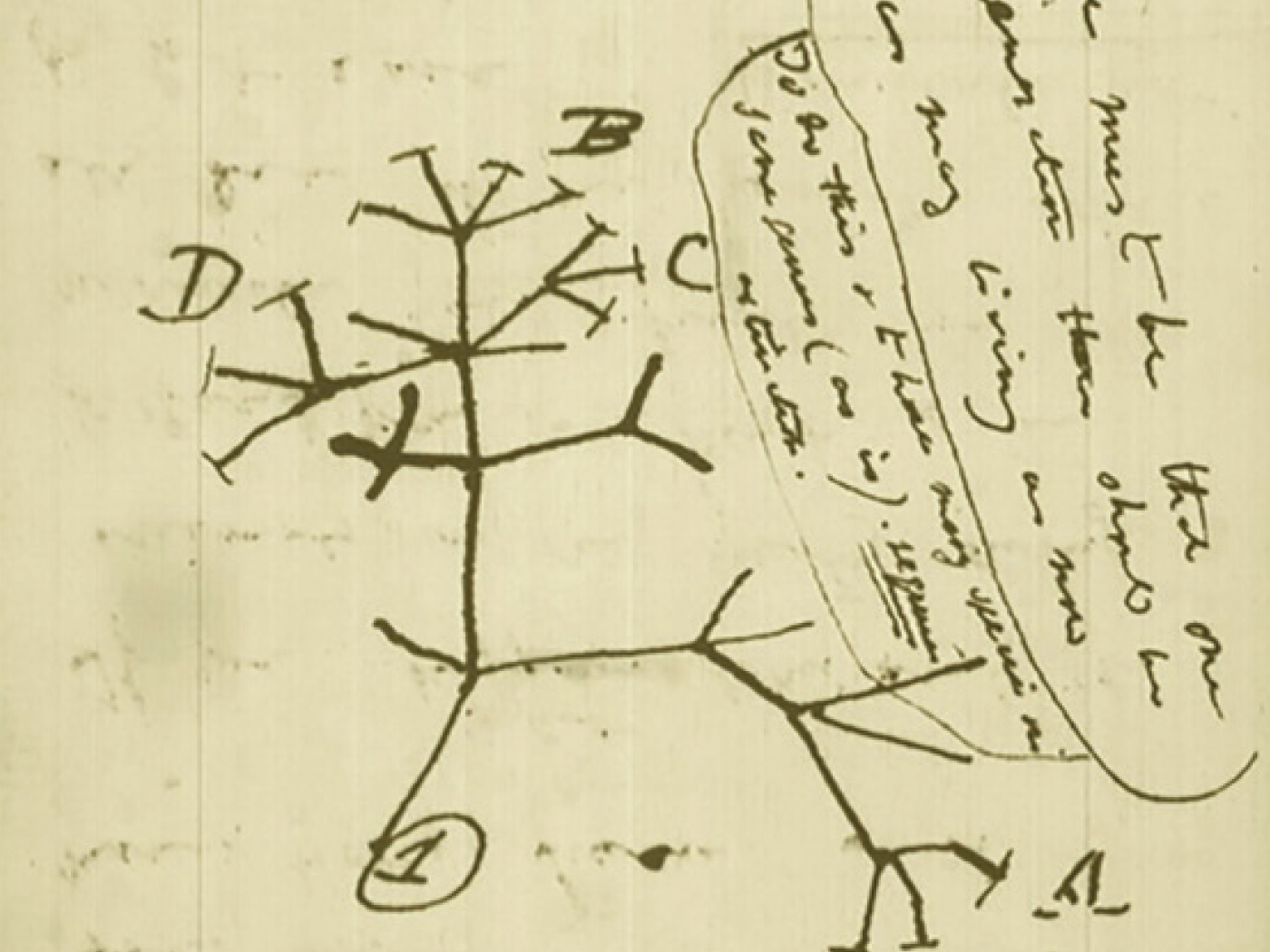
The evolutionary worldview proposes something quite different. It claims that one type of organism gradually transforms into another over millions of years—birds from reptiles, for example, specifically from dinosaurs. Yet Genesis records that birds were created on Day 5, while the land-dwelling animals, including dinosaurs, were created on Day 6. Not only were they created separately, but they were created on different days. In this case, birds came first, then reptiles. The evolutionary sequence and the biblical account propose two opposite scenarios!
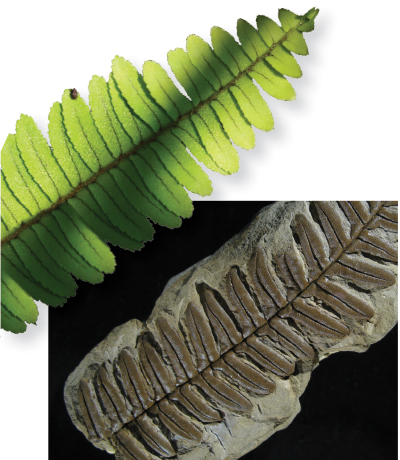 The technical term for the persistent lack of evolutionary change over vast spans of time is stasis. The fossil record displays this pattern repeatedly, layer by layer. We find organisms that appear abruptly, fully formed, and then remain essentially unchanged throughout the geological layers. This phenomenon is often referred to when discussing living fossils like the coelacanth fish.1 And it is not limited to a single group or environment. Stasis appears across multiple fossil groups, including plants, throughout what conventional timescales describe as hundreds of millions of years.
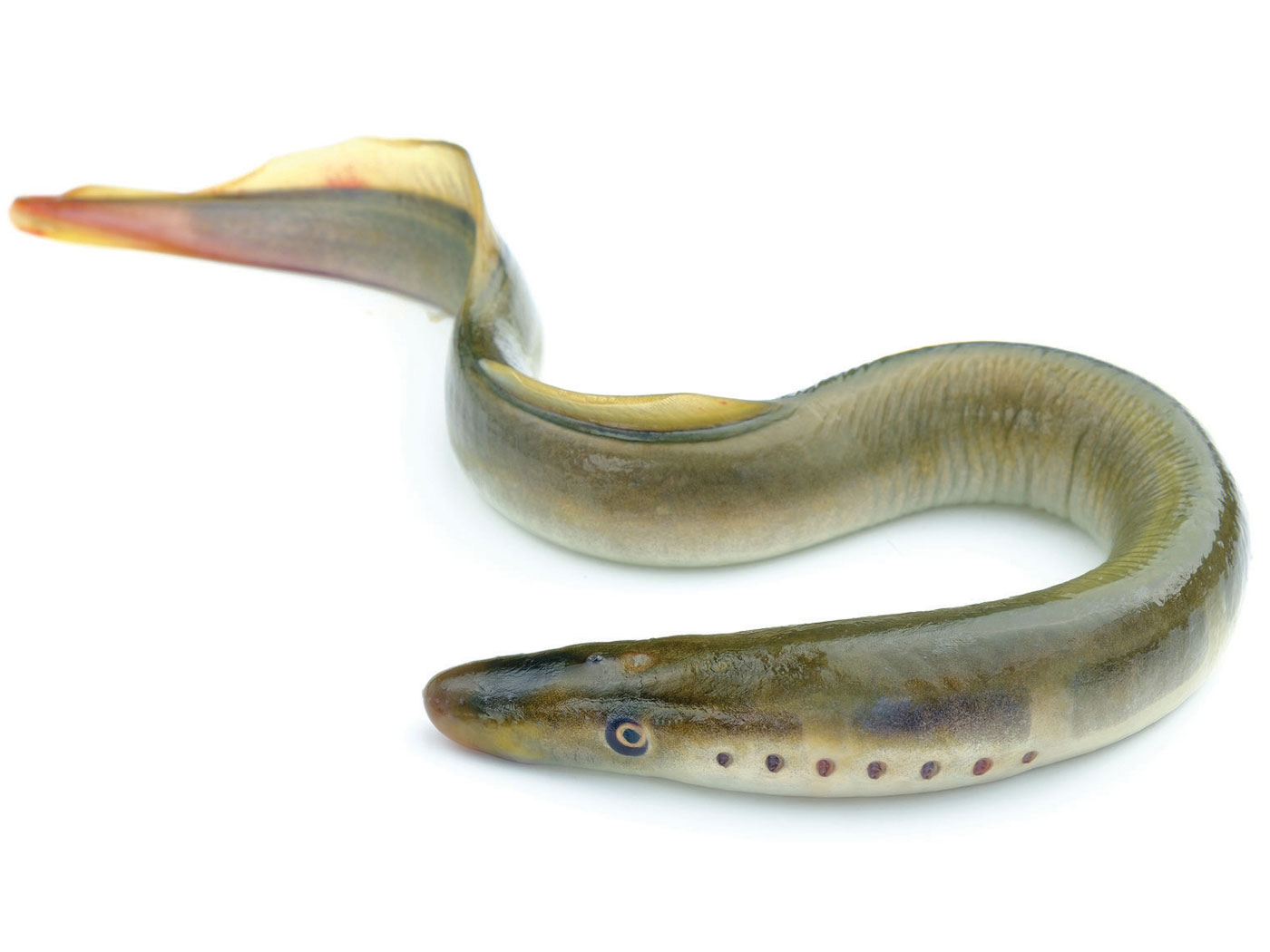
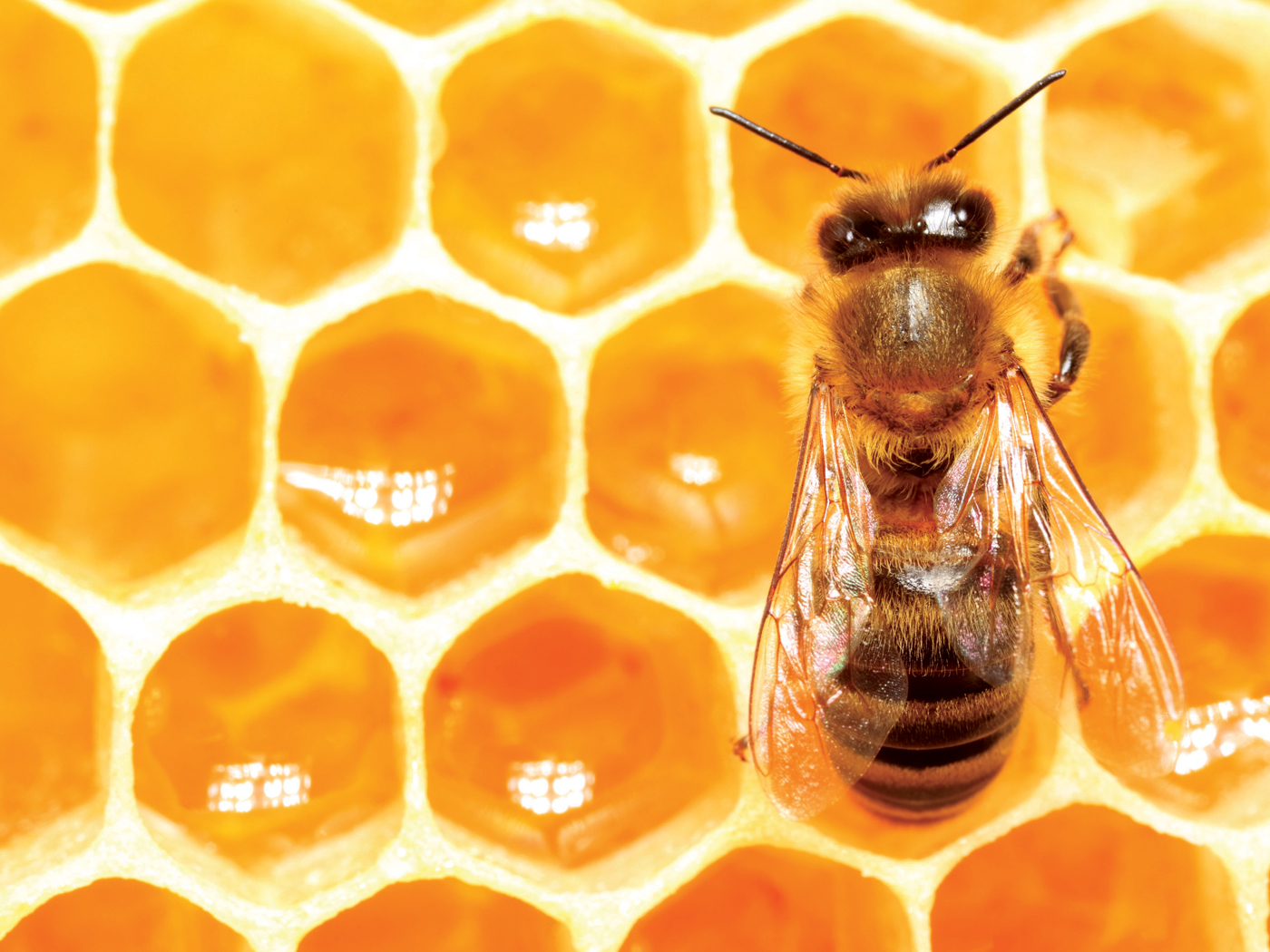
A reptile fossil appears suddenly, complete, and complex—and it remains a reptile. A mammal appears suddenly, complete, and complex—and it remains a mammal. The same holds true for fish, insects, plants, amphibians, birds, and so on. When you look at a fossil fish, you recognize it as a fish. A fossil bee is unmistakably a bee. A fossil fern is clearly a fern. Their fundamental body plans are the same as those we see today, no matter how old they are.
Stromatolites are often cited as the oldest living fossils. These layered, mound-like structures are formed by microorganisms, primarily cyanobacteria. These microbes create sticky mats that trap sediments. Through photosynthesis and mineral precipitation, layered structures accumulate, forming a mushroom-shaped mound. According to conventional dating, stromatolites are more than three billion years old. Yet they are still forming today and look the same. The bacteria responsible for building them is the same and functions the same. Even after supposedly billions of years, no change.
From an evolutionary perspective, this persistence presents a significant challenge. Even though various explanations have been proposed, none fully account for the widespread and repeated pattern of stasis.
From a biblical worldview, stasis is neither surprising nor problematic. Instead, it is precisely what we would expect. In Genesis 1, God created living creatures to reproduce according to their kinds. Built-in engineered adaptation allows for diversity within those kinds, but boundaries remain. The fossil record’s testimony of sudden appearance and enduring stability aligns with God’s truth.
When we study both Scripture and sound science, we begin to see the world more clearly. The patterns in the fossil record correspond to God’s creation according to kind and a global catastrophic flood, not evolutionary development over millions of years.2
References
- Corrado, J. K. The Coelacanth: A Living Window into God’s Design. Creation Science Update. Posted on ICR.org October 23, 2025, accessed March 2, 2026.
- Tomkins, J. P. 2023. The Fossils Still Say No: Paleontology of the Global Flood. Dallas, TX: Institute for Creation Research.
Dr. Haynes is a research scientist at the Institute for Creation Research and earned her Ph.D. in paleontology from Universidade Federal do Ceará in conjunction with the University of Kentucky.