




Scientists Late to Recognize Human and Giant Mammal Coexistence
Giant mammals roamed North America during the Ice Age, but were humans among them? A site in Vero Beach on Florida's East coast contains mammoth, mastodon, giant ground sloth—and human fossils. The problem is that humans were not yet supposed to have been there, according to the standard story told to generations of archaeologists.
Green Fossil Leaves Point to Recent Catastrophe
The term "fossil" is typically associated with once-living things that have been turned into rock. But wood, leaves, mosses, and insects from an ancient forest in Maine were found preserved without having been mineralized. A recent study delved into the mystery of how these plant and other remains could still be so fresh.
Mummified Forest Highlights Post-Flood Ice Age
Scientists found a mummified forest in 2010 on northern Canada's Ellesmere Island. It had apparently been buried by a landslide long ago and was exposed by receding ice and glaciers. How those trees were able to grow in a place that is now too cold for them is uncertain. But several clues from the find fit with a biblical timeline and setting, and conflict with evolutionary assumptions.
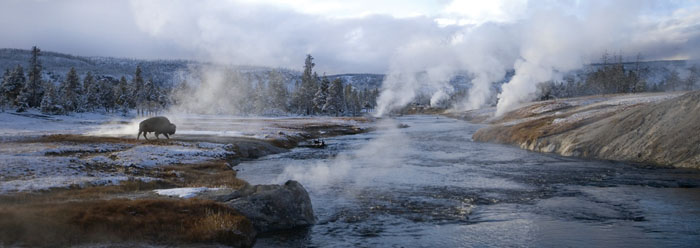
An Ice Age in Yellowstone National Park
Introduction
Yellowstone National Park holds the distinction of being the first national park in the United States and in the world. It exhibits magnificent geological features such as a 30-mile-diameter volcanic caldera; myriads of geysers, including Old Faithful; and a major community of large animals such as deer, elk, moose, and bear.
Pages
