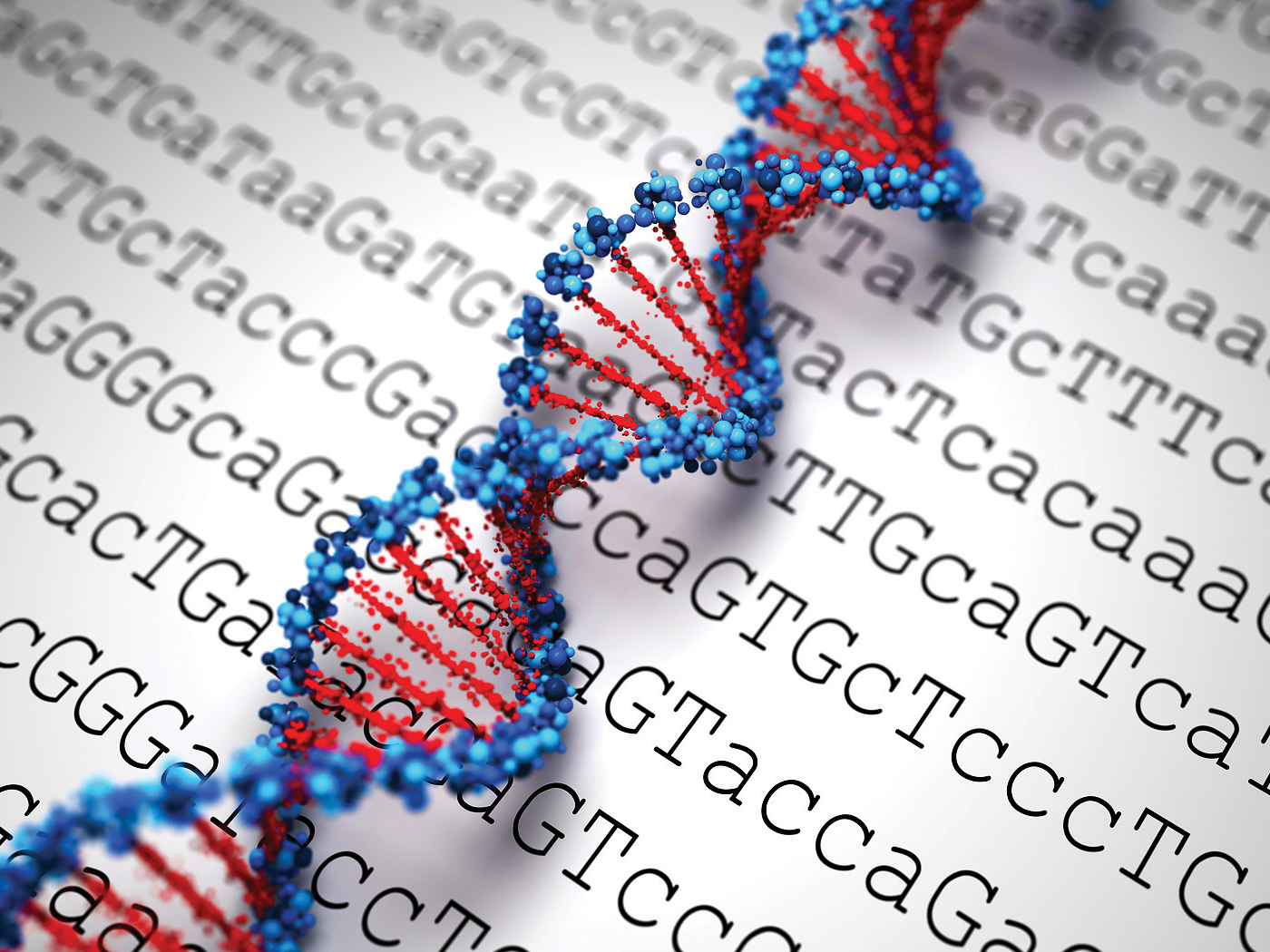
When the workings of the genome were first being discovered, the central evolutionary dogma of molecular biology claimed that genetic information passes consistently from DNA to RNA to proteins. Now we know that RNA messages can be altered by a variety of mechanisms, and a new study in squid genetics has vaulted one of these processes—called RNA editing—to an unprecedented level of biocomplexity.1
All major animal groups from jellyfish to humans use amazing cellular machinery to modify RNA transcribed from both protein-coding and non-coding RNA genes. One of the first such systems to be discovered was that of alternative splicing, where a single gene could have its modular components added, removed, doubled, or even combined with the products of a completely separate gene.2 Thus, a single gene can produce a wide array of RNA variants, including many different protein forms if the RNAs are translated (made into proteins).
In addition to the incredible variability achieved with alternative splicing, it has also been discovered that another form of dynamic RNA alteration exists called RNA editing. Unlike alternative splicing which shuffles large chunks of sequence around, RNA editing targets single bases. One of the most common types of RNA editing in animals involves the changing of an adenosine base to an inosine base (A-to-I editing). The inosine base—which is not part of the standard genetic code—is actually interpreted as a guanine base at the ribosome where proteins are made. This type of editing in both coding and non-coding RNAs has been found to have profound effects on gene expression.3 In addition, the alteration of transcripts coding for proteins creates yet another dynamic system of diversity in the cells’ protein complement—called the proteome.4
Until now, the best studied cases of RNA editing in animals have been in mammals and flies, and is thought to occur at a fairly low level.5 However, a new study has just been reported in squid, where the majority of proteins that were studied were affected by RNA editing.1 In fact, the researchers discovered that A-to-I RNA editing had a pervasive effect on most biochemical pathways in the squid, especially those related to the nervous system. Other reports have demonstrated that RNA editing is crucial to the proper functioning of the nervous system in humans and other mammals.6,7
The squid, with its highly specialized nervous system and large axons (nerve-cell fibers), has been a model for years in studying how the physiology of nervous systems work. Thanks to this new study, the importance and role of RNA editing, especially as it relates to the squid’s lightning-fast muscle and neurological responses, has been better clarified. However, the level of squid RNA editing complexity was truly astounding and had never been seen at this level in any other creature. In an interview, lead researcher Dr. Eli Eisenberg stated, “We have demonstrated that RNA editing is a major player in genetic information processing rather than an exception to the rule” and “the squid's RNA editing dramatically reshaped its entire proteome—the entire set of proteins expressed by a genome, cell, tissue, or organism at a certain time.”8
This amazingly complex system that enables the squid to literally recode its active genetic information “on the fly,” possibly allowing for rapid adaptive responses to its environment, is an engineering marvel. This is especially true in light of all the other intricate cellular information systems that RNA-editing interfaces with. Only an Omnipotent and all-wise Creator could be the source of such vast biocomplexity.
References
- Alon, S. et al. 2015. The majority of transcripts in the squid nervous system are extensively recoded by A-to-I RNA editing. elife. DOI:10.7554/eLife.05198.
- Roy, B., L. M. Haupt, and L. R. Griffiths. 2013. Review: Alternative Splicing (AS) of Genes As An Approach for Generating Protein Complexity. CurrentGenomics. 14 (3): 182-194. DOI:10.2174/1389202911314030004.
- Chen, L. L. and G. G. Carmichael. 2008. Gene regulation by SINES and inosines: biological consequences of A-to-I editing of Alu element inverted repeats. Cell Cycle. 7 (21): 3294-3301.
- Pullirsch, D. and M. F. Jantsch. 2010. Proteome diversification by adenosine to inosine RNA editing. RNA Biol. 7 (2): 205-212.
-
Nishikura, K. 2010. Functions and regulation of RNA editing by ADAR deaminases. Annu Rev Biochem. 79: 321-349. DOI:10.1146/annurev-biochem-060208-10525
1. - Slotkin, W. and K. Nishikura. 2013. Adenosine-to-inosine RNA editing and human disease. Genome Med. 5 (11): 105. DOI:10.1186/gm508.
- Tariq, A. and M. F. Jantsch. 2012. Transcript Diversification in the Nervous System: A to I RNA Editing in CNS Function and Disease Development. Front Neurosci. 6: 99. DOI:10.3389/fnins.2012.00099.
- Make Like a Squid and Transform. Tel Aviv University American Friends news release. Posted on aftau.org February 12, 2015.
*Dr. Tomkins is Research Associate at the Institute for Creation Research and received his Ph.D. in Genetics from Clemson University.
Article posted on March 2, 2015.