In the deep, dark, cold waters of the Pacific Ocean—about 1,500 feet below the surface— hundreds of Humboldt squid the size of small humans (~ 5 feet long) were recently observed feeding on a school of lantern fish only about 3 to 4 inches long. The scientists used a high-tech remotely operated vehicle (ROV) with highly sophisticated photographic equipment to document the squid’s behavior. What they discovered was shockingly sophisticated.1
The squid were found to zip past each other with incredible speed and precision and, remarkably, never collided with each other when competing for prey. So, how did these high-speed maneuvers in the near-total darkness of the deep ocean occur? The amazing answer appears to be a highly sophisticated form of visual signaling and recognition involving a form of light production called bioluminescence.
Just like humans use softly lit eBook readers to visualize and read their favorite novel at night, the squids have the ability to softly illuminate highly elaborate skin patterns using sophisticated light-producing organs in their muscles. Like an eBook reader, this allows for a type of backlighting to reveal shifting pigmentation patterns in their skin. But even more amazing is the fact that the squid may be using these skin pigmentation patterns to signal one another. It’s like a high-speed way of saying, “That’s my fish! Don’t get in my way!”
Indeed, the researchers confirmed that the squid's pigmentation patterns relate to specific social contexts, such as voracious feeding in a tight group or just swimming around at a distance from one another. In fact, the researchers also believed there was good evidence that the different pigmentation behaviors could actually be further broken down into distinct informational units that are recombined to form different messages.
Evolutionists have no good explanation for how this highly sophisticated deep-water adaptive trait could have arisen through random evolutionary processes. Other types of squid living in shallow waters, where light is abundant, don't have these light-producing organs. Such a complex trait involves probably hundreds of genes and a host of complex physiological signaling pathways to produce—along with the means to recognize and behaviorally process the sophisticated messages. These traits can only be attributed to an all-powerful Creator that engineered these squids from the beginning.
References
1. Burford, B.P. and B.H. Robison. 2020. Bioluminescent backlighting illuminates the complex visual signals of a social squid in the deep sea. Proceedings of the National Academy of Sciences of the United States of America. March 23, 2020. 201920875; DOI: 10.1073/pnas.1920875117.
*Dr. Tomkins is Life Sciences Director at the Institute for Creation Research and earned his doctorate in genetics from Clemson University.
Deep Water Squid Communication Mystifies Scientists
More Life Was Created Fully Functional
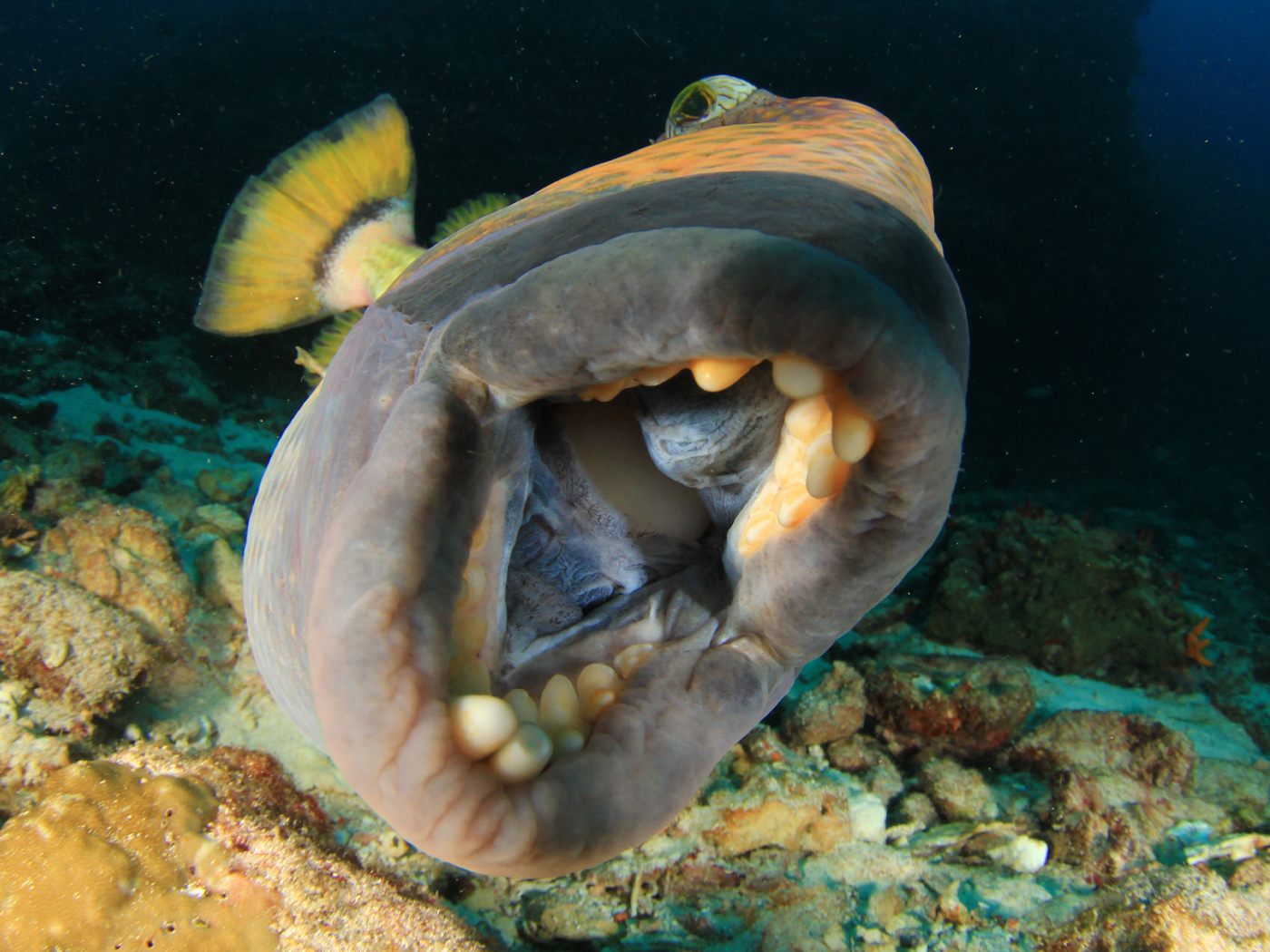
Did Teeth First Evolve as Sensory Tissue?
One of the mysteries of evolution (there are so many) is the origin of teeth.
The past few years have witnessed a remarkable flurry of research...
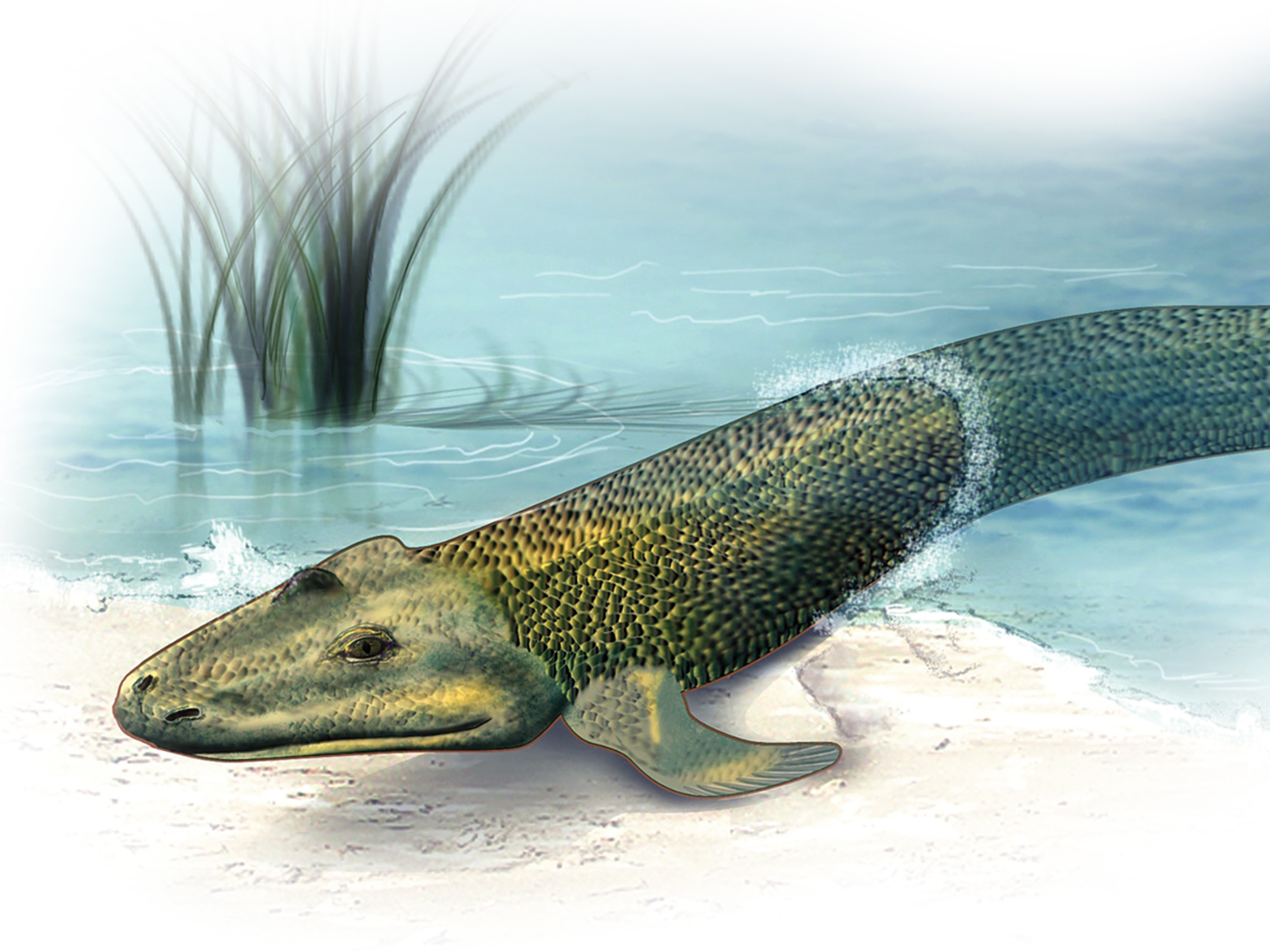
The Tiktaalik Missing Link Myth
In 2004, the paleontological community—and the world—was presented with what many evolutionists considered to be a dyed-in-the-wool missing...
If Pronghorns You Chase, They’ll Win the Foot-Race
Many urban and suburban recreational opportunities are closed to public use, yet many rural and wilderness areas now are reopening to allow recreational...
More Zoology
Honeybees: How Sweet It Is, Again
After some scary population downturns and scarier rumors of bee populations crashing, honeybees are making a comeback, populationally speaking.1,2...
Plethora of Life Found On Sea Turtle Shells
An amazing abundance of life can be found in the strangest places—such as the backs of turtles. It was previously known that an array of life was...
New Australian Dinosaur Surprises Evolutionists
A new study published in the journal Gondwana Research has identified a rather out-of-place bone from a theropod dinosaur called an elaphrosaur that apparently...
More Creation Science Update

November 2025 ICR Wallpaper
"Oh, give thanks to the LORD, for He is good! For His mercy endures forever." (Psalms 107:1 NKJV)
ICR's November 2025 wallpaper...

April 2026 Wallpaper
"Ask the Lord for rain in the time of the latter rain. The Lord will make flashing clouds; He will give them showers of rain, Grass in the field...
Your Functional ''Yolk Sac''
For decades, evolutionists pointed to dozens of ‘useless artifacts’ of the human body to make their questionable case for evolution.
But...
The Latest
Can Metals Explain the Origin of Life?
A spark plug can make a spark, but no one would say a spark plug can build a car. In much the same way, a chemical reaction can do one useful job without...
Jumping Genes: Engineered to Move
Scientists recently found a “jumping gene” in an odd place. An RNA molecule from a tiny predatory bacterium had entered the cells of a very...
Institute for Creation Research Partners with Louisiana Baptist...
The Institute for Creation Research (ICR) announced today a strategic handover of its School of Biblical Apologetics (SOBA) educational content to Louisiana...
A Tangled Human Tree—or One Human Family?
What if the “ghosts” in our DNA are not lost steps in human evolution? A new Science study found DNA patterns that may point to two unknown...
Mapping the Sense of Smell
Your sense of smell involves much more than enjoying a hike through an aromatic pine forest or appreciating delicious foods.1,2
Our ability...
September 11, 2001: We Will Never Forget
“Fret not thyself because of evil men, neither be thou envious at the wicked: for there shall be no reward to the evil man; the candle of the...
What Can Fossil Teeth Really Tell Us?
A few tiny fossil teeth have been asked to carry a very large story. Researchers used them to name a new order of marsupials, Keeunamorphia, and to...
Man and His Labor
“Man goeth forth unto his work and to his labour until the evening.” (Psalm 104:23)
The 104th Psalm is a beautiful psalm of creation and...
Changing Climates, Stable Primates
What do you picture when you think of the first primates? Conventional scientists have long proposed warm forests, thick vines, and tropical heat as...

September Wallpaper
"[Cast] all your care upon Him, for He cares for you." (1 Peter 5:7, NKJV)
ICR's September 2026 wallpaper is now...
Shop Related Products
The Fossils Still Say No
$29.99