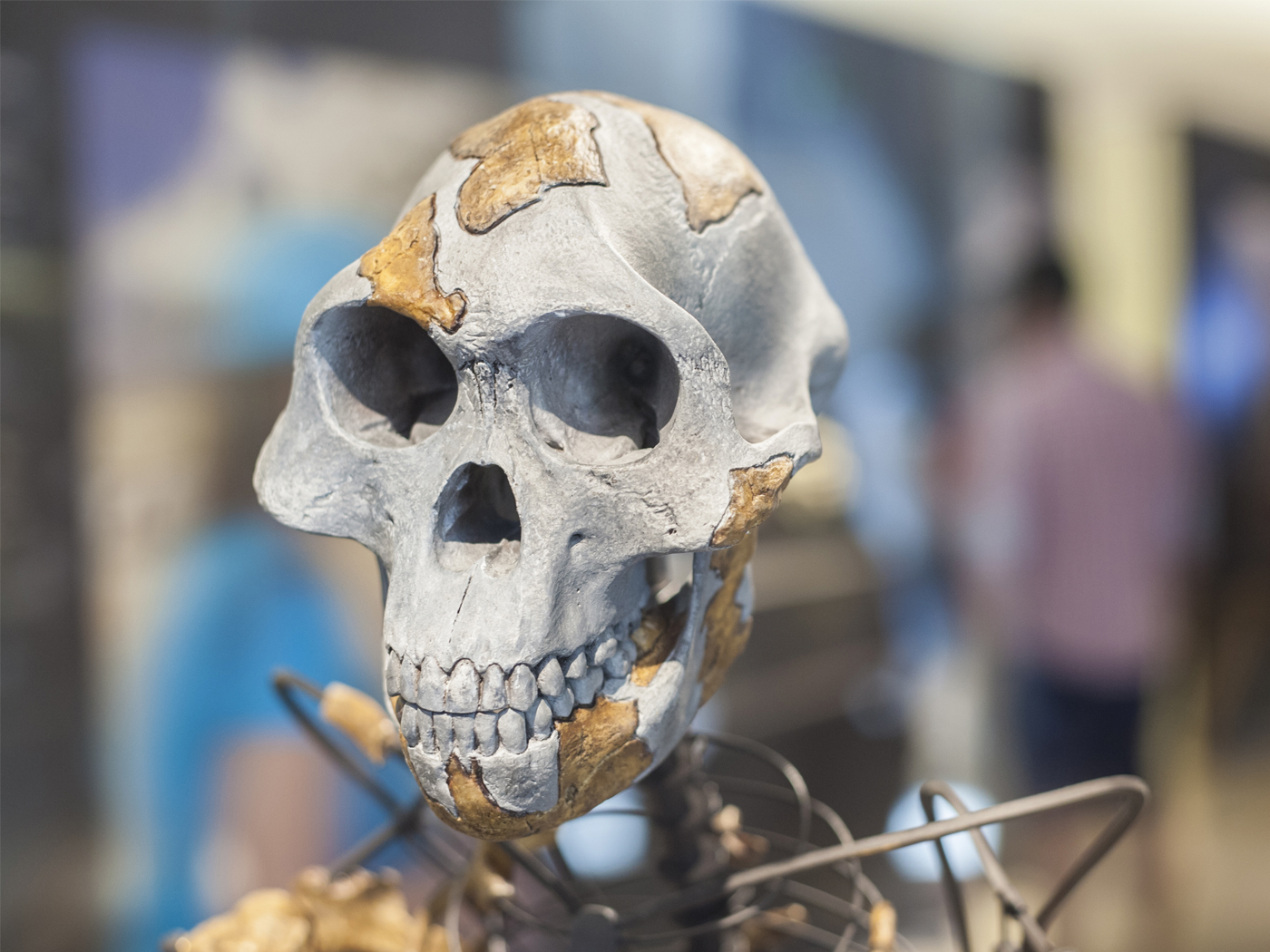
Over 60 years ago, conventional scientists taught that Neanderthals were slouching, subhuman brutes—just another evolutionary link bridging the gap between animals and people. But recent research calls such a claim into question once again.
According to evolutionary theory, Neanderthals lived 34,000 to 400,000 years ago, but creationists would say they lived only about 4,000 years ago, shortly after the Flood (early Ice Age). Fossils from this extensive archaic people group have been found from Israel to Siberia, from Wales to Western Eurasia.
Through the decades, discoveries and research have clearly revealed that Neanderthals were just as human as you and your neighbor. They cooked and ate crabs (possibly seasoned with wild herbs!),1 made practical tools and equipment,2 and used a “sophisticated” method to produce tar.3 People have done these things throughout history and still do them today.
Now another fascinating clue has been found pointing to Neanderthals belonging to the human population. In a Russian cave, researchers discovered what they believe to be a 60,000-year-old Neanderthal molar tooth with a hole in it. A LiveScience article has dubbed the discovery “the oldest evidence of intentional dentistry to date.”4
During the Neanderthal’s lifetime, part of the tooth began to rot. So, they treated it like any modern dentist would, drilling a hole to clear away the rotten tissue and filling the cavity to avoid further damage. Clearly, whoever performed the feat “had the brains to recognize this painful tooth cavity could be treated and possessed the fine motor skills to successfully execute the procedure.”4 The scientists added in PLOS One, “Evidence suggests they cared for sick, injured, and elderly group members, with possible use of medicinal plants.”5
Unsurprisingly, Neanderthals continue to reveal distinctly human traits, as would be expected on the basis of God’s creative activity on the sixth day of the creation week: creating mankind in His own image (Genesis 1:27).6,7 These competent dentists were 100% humans.
So much for Neanderthals being our subhuman ancestors.
References
- Sherwin, F. Neanderthal Crab Bake. Creation Science Update. Posted on ICR.org March 9, 2023.
- Pennington, L. A Single String Just Helped Confirm Genesis. Creation Science Update. Posted on ICR.org April 24, 2020, accessed June 9, 2026.
- Clarey, T. Neanderthals Possibly Used Pre-Flood Methods to Make Tar. Creation Science Update. Posted on ICR.org July 27, 2023, accessed June 9, 2026.
- Berdugo, S. ‘Exceptional’ Drilled Tooth Reveals Neanderthals Practiced Dentistry in Siberia 60,000 Years Ago. LiveScience. Posted on livescience.com May 13, 2026.
- Zubova, A. V. et al. 2026. Earliest Evidence for Invasive Mitigation of Dental Caries by Neanderthals. PLOS One. 21 (6).
- Thomas, B. Neanderthal Babies Were Human Babies. Creation Science Update. Posted on ICR.org September 26, 2008.
- Sherwin, F. Breaking News: Humans Procreated With . . . Humans. Creation Science Update. Posted on ICR.org October 20, 2022.
* Dr. Sherwin is a science news writer at the Institute for Creation Research. He earned an M.A. in invertebrate zoology from the University of Northern Colorado and received an honorary doctorate of science from Pensacola Christian College.