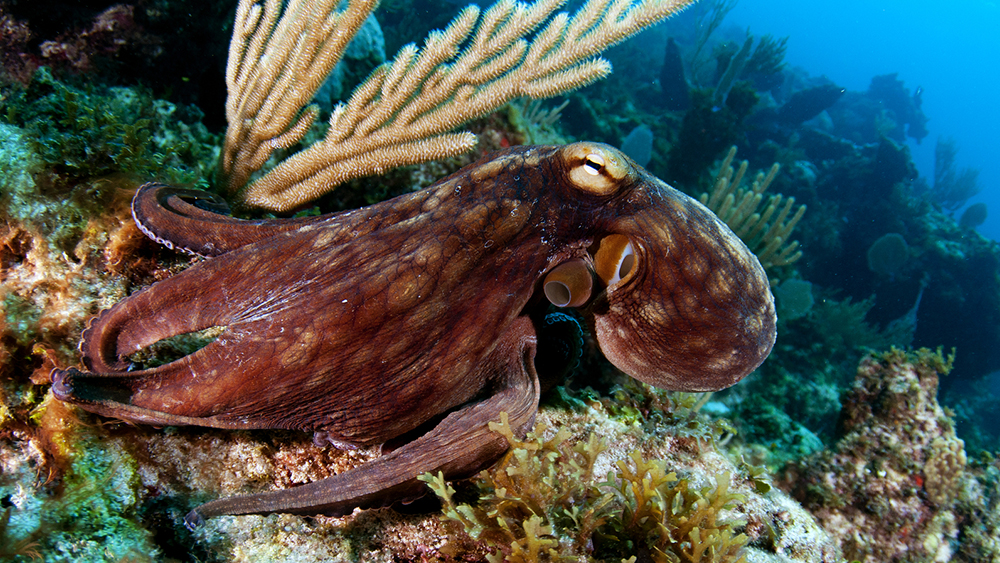
Everywhere we look, we see the design, purpose, complex construction, environmental fit, awesome beauty, and instant camouflage of the creatures created during the end of the creation week. In this series, we’ll talk about how these creatures display God’s handiwork, unpack man’s unique rule over creation, and discover how the gospel is firmly rooted in what God did during those first six days of creation.
1) Day Five—Sea Cucumbers to Sea Monsters
Did you know that oceans cover 70% of the Earth’s surface? The first life God created lived in water, and much of what we call life dwells in the oceans, lakes, and rivers of our planet. What can we learn about different types of skin and scales? And what kind of creature was Leviathan?
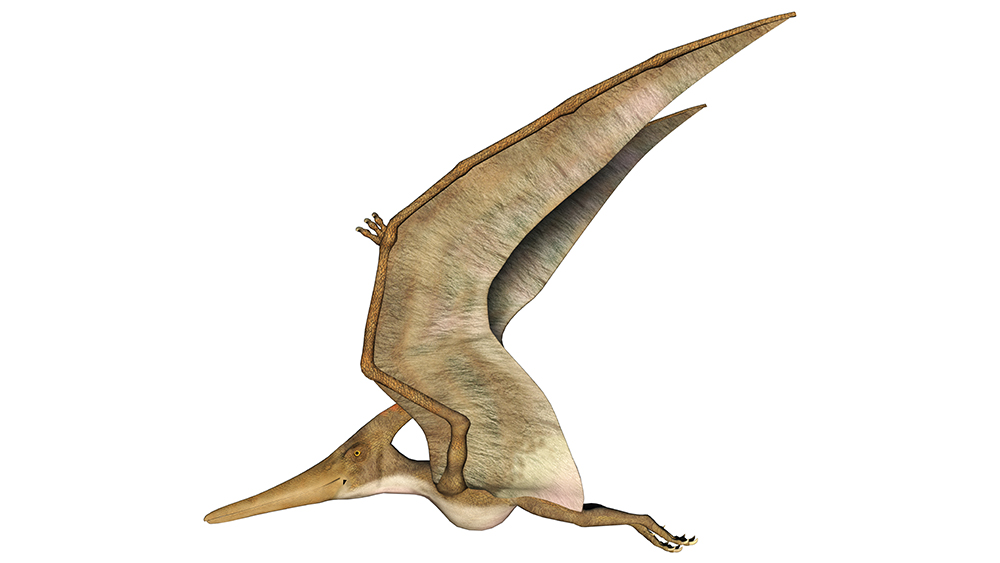
2) Day Five—Soaring Birds to Scary Pterodactyls
God was busy on Day Five. Not only did He create water creatures, He also dedicated this day to “the birds of the air.” What Genesis-confirming design details can we observe in the anatomy of flying creatures? Are feathers unique to birds? And how has man applied birdwatching observations to modern technology?
3) Day Six—Cattle, Beasts of the Earth, and Creeping Things
On Day Six, God focused on creating land creatures. He evidently created these vast “kinds” in direct proportion to how they would relate to humans. What distinguishes birds from cattle? How many species represent “creeping things”? And how can we know that Behemoth was a dinosaur?
4) Day Six—Made in God's Image
What does it mean that God “created” in His own “image”? Theologians and students of Scripture have been pondering this concept for millennia. What hints can we find in the Bible? And what does Genesis tell us about man’s unique responsibility as bearers of God’s image?
5) Day Six—Man as God's Steward
At the end of God’s creative activities, He surveyed His work and pronounced it “very good.” Genesis 2 describes how God prepared a special garden in which the man and the woman would begin their stewardship duties. Why did God finish the creation week with a day of rest? What should our relationship with the Owner of all things look like? Discover how the Creator God of the Bible is our source for life and our only means of redemption.



For more radio programs, click here.