A newly discovered giant virus called ushikuvirus has been described by conventional scientists as a possible clue to how complex cells evolved. But the details reported in the original research reveal intricately organized parts working together, telling a different story. It reveals built-in design limits.
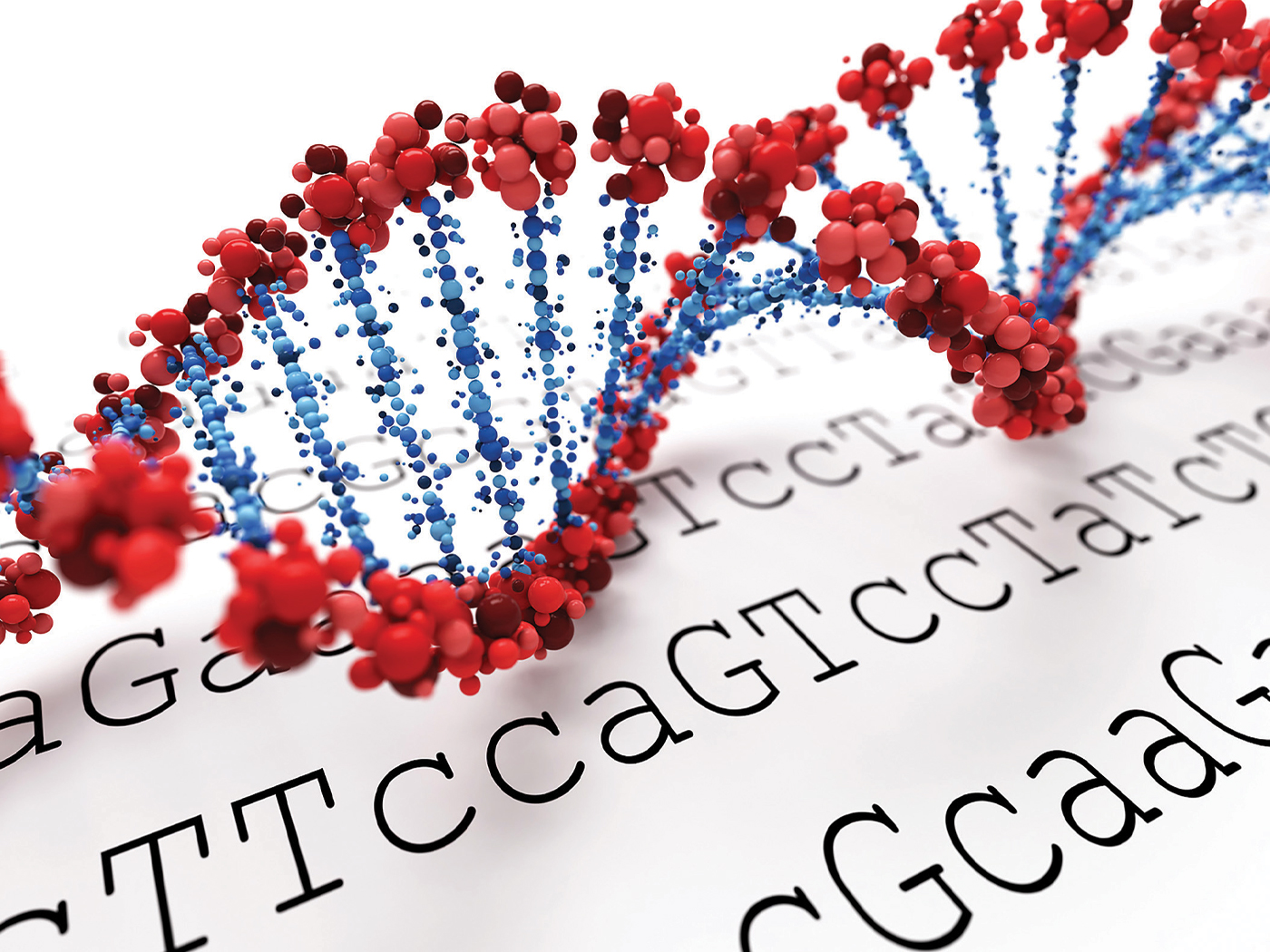
In February 2026, researchers announced the discovery of ushikuvirus.1 This large DNA virus was found in freshwater in Japan. Its genetic material is more than 600,000 base pairs long and contains instructions for hundreds of proteins. Detailed imaging revealed a carefully arranged outer shell called a capsid and clear interaction with the membranes of the host cell.1 A university press release suggested that discoveries like this may support the idea that viruses played a role in the origin of the eukaryotic nucleus.2
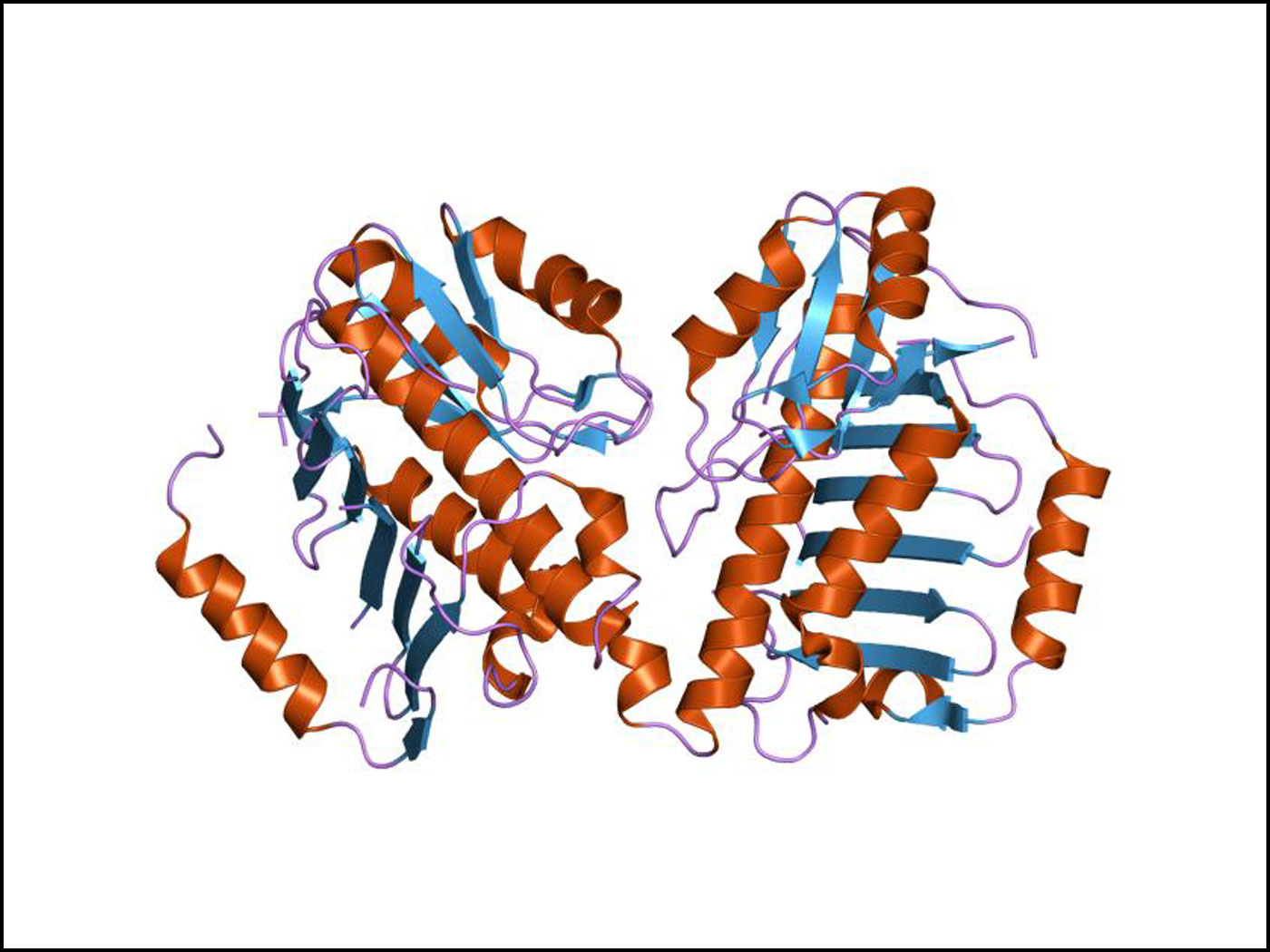
From an engineering point of view, the most striking feature is its precise coordination. The virus’ capsid is built from repeating protein pieces arranged in a clear geometric pattern, and the genetic material is packed in an orderly way. The virus turns its genes on and off in a specific sequence, relying on the host cell’s machinery.1
What, then, should this elaborate structure tell us about the origin of viruses?
Some researchers suggest a theory called viral eukaryogenesis, which proposes an ancient virus may have become the nucleus inside modern cells.3 But viruses lack the basic features of true cells. They do not have the ability to produce ATP (the energy cells use), make ribosomes (which build proteins), or control their own metabolism. Viruses can’t even reproduce on their own—instead, they must infect a fully working cell and use its machinery to copy themselves.
Living things show flexibility. Viruses can change in small ways and adjust to different hosts. However, viruses stay viruses. They don’t turn into independent, self-sustaining cells. Their outer shell design, the way their genetic material is packed, and their need for a host cell all remain fixed boundaries. This demonstrates variation within clear limits, which fits well with the creation view. Engineered systems are designed to work within set boundaries so they function properly.
The study meticulously describes the virus’ structure and genes,1 but it does not show that a virus can turn into a nucleus. Such a conclusion is drawn from broader evolutionary models rather than direct experimental demonstration.2,3
Similarity between biological systems does not automatically mean they share a common ancestor. It may instead reflect common design principles. Shared genes between viruses and cells can result from gene exchange or built-in adaptability without removing the clear distinctions between viruses and fully functional cells.4
Ushikuvirus helps scientists learn more about how viruses work. Its complexity is real and impressive. But complexity alone does not reveal a step-by-step path from simple particles to fully working cells. Instead, this virus shows parts that work together in an organized fashion within definite limits. When we look closely, giant viruses do not erase the line between viruses and cells—they make that line more pronounced. Their design points to coordinated biological engineering rather than an unguided origin of complex life.
References
- Bae, J. et al. 2025. A Newly Isolated Giant Virus, Ushikuvirus, is Closely Related to Clandestinovirus and Shows a Unique Capsid Surface Structure and Host Cell Interactions. Journal of Virology. 99 (12).
- Tokyo University of Science. Giant Virus Discovery Could Rewrite the Origin of Complex Life. ScienceDaily. Posted on sciencedaily.com February 19, 2026.
- Bell, P. J. L. 2001. Viral Eukaryogenesis: Was the Ancestor of the Nucleus a Complex DNA Virus? Journal of Molecular Evolution. 53 (3): 251–256.
- Guliuzza, R. J. 2025. From Inference to Theory: A Common Design Case Study. Acts & Facts. 54 (4): 4–6.
* Dr. Corrado earned a Ph.D. in systems engineering from Colorado State University and a Th.M. from Liberty University. He is a freelance contributor to ICR’s Creation Science Update, works in the nuclear industry, and is a Captain in the U.S. Naval Reserve.