In the midst of this current coronavirus crisis, we would like to remind our readers that although we live in a fallen and corrupted creation where many things are out-of-whack and even harmful, many things are still serving important non-threatening purposes—like most harmless viruses. A new study has been published showing how ocean viruses are an important part of the food chain.1
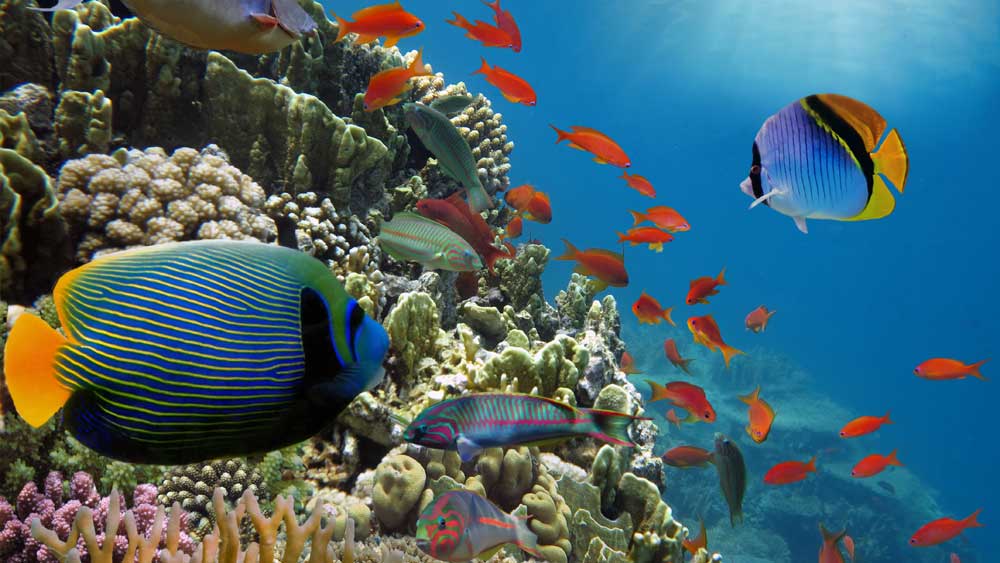
Virus particles in the sea are abundant and over 150 million can be in a small glass of sea water. And, most importantly, new research is showing how these viral particles can serve as lunch for a wide variety of ocean creatures that consume them during the process of filtering seawater for food and oxygen. Some good examples are sea sponges and oysters.
In this recent study, Japanese oysters that filter seawater for oxygen and food, such as algae and bacteria, were tested in the lab for their ability to consume viral particles. During the experiment, the oysters were denied both bacteria and algae to eat, but allowed virus particles. Amazingly, it was found that the Japanese oysters filtered out twelve percent of the virus particles from the water.
These results place the oyster in fourth place for the group of creatures that were tested. Other organisms that were found to be significant viral feeders were sponges, cockles (edible saltwater clams), and crabs. In fact, the sponges reduced the levels of virus in ocean water by up to 94 per cent in only three hours.
Until this groundbreaking study, it was largely unknown that different types of sea animals could have such a significant impact on ocean virus populations. Not only does this study help explain yet another original purpose for marine viruses, it also adds another dimension to the overall complexity of God’s creative systems-based engineering of ocean ecology.
Scientists previously knew that a major group of ocean viruses called bacteriophages that infect bacteria are highly abundant and play critical ecosystem roles in regulating bacterial populations and thus have a huge impact on biogeochemical cycling on a global scale.2 In fact, not only do bacteriophages regulate ocean bacterial populations by infecting and killing them, but they are also capable of altering the cellular metabolism of infected bacteria by not killing them and simply changing the bacteria’s gene expression patterns. And now we have evidence that the viruses can also serve as an important food source for a diversity of ocean life as well. Truly, the complexity of God’s creation is vast and overwhelming.
References
1. Welsh, J.E. et al. 2020. Marine virus predation by non-host organisms. Scientific Reports. DOI: 10.1038/s41598-020-61691-y.
2. Breitbart, M. et al. 2018. Phage puppet masters of the marine microbial realm. Nature Microbiology. 3: 754–766.
*Dr. Tomkins is Life Sciences Director at the Institute for Creation Research and earned his doctorate in genetics from Clemson University.
Viruses Make Good Food For Sea Creatures
More Evidence from the Life Sciences

Preventing COVID-19
Here are some quick tips from ICR’s Dr. Randy Guliuzza on what we all can do to prevent COVID-19 from infecting our families and coworkers.
One...
Human Genome 20th Anniversary…Junk DNA Hits the Trash
The first rough drafts of the human genome were reported in 2001 (one in the private sector and one in the public sector).1-2 Since then, after...
Cabin Fever, Cattle Egrets, and Pasture-land Partnerships
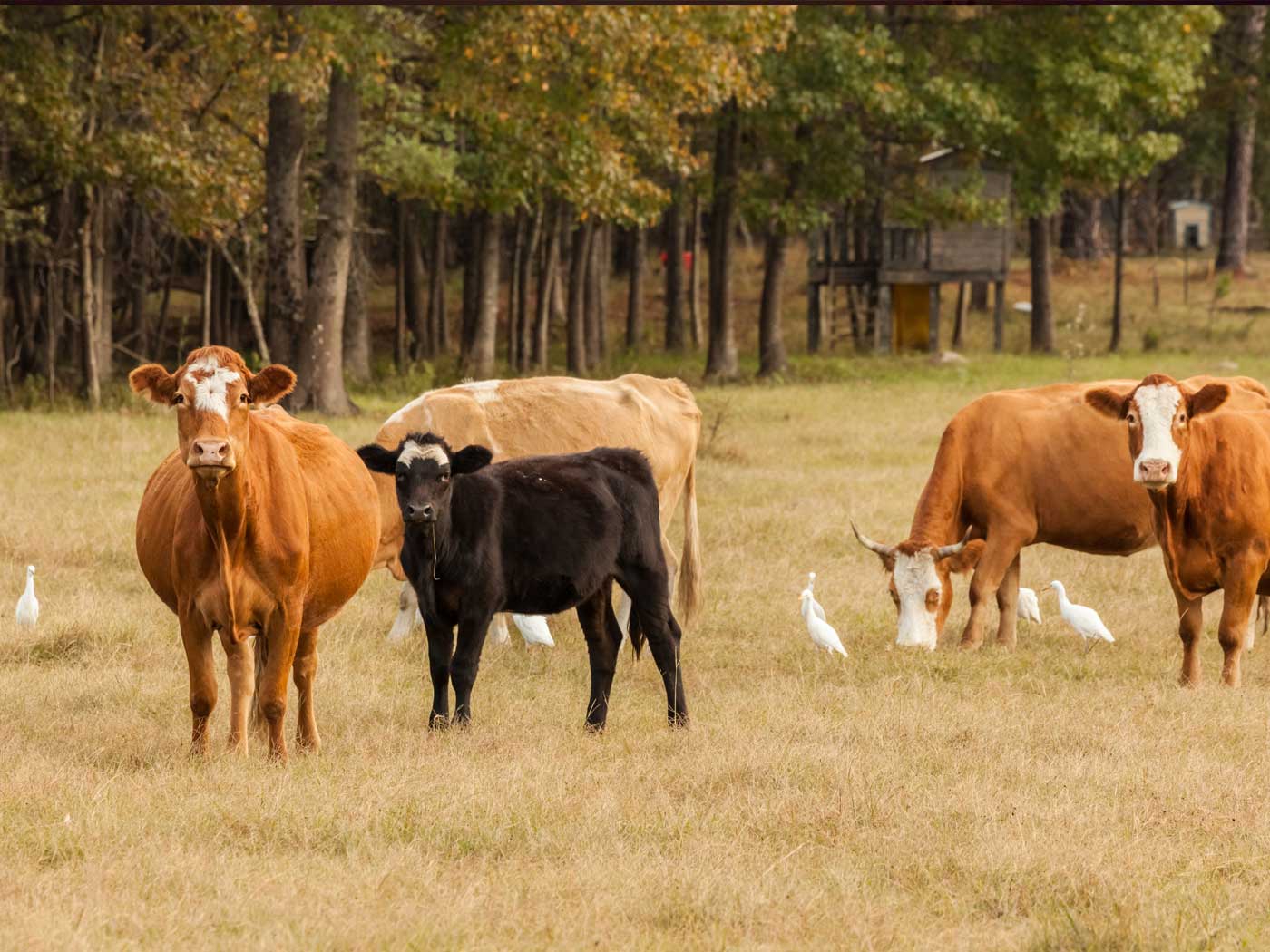
Nowadays, many folks experience “cabin fever,” but are banned from ordinary travel and social activities.1 However, some get out...
More Microbiology
How Algae Do Fine When Tossed at Sea
How would you do if someone spun you around every few seconds all day long? Marine algae repeatedly get tossed about in coastal surf, and they cope quite...
Plethora of Life Found On Sea Turtle Shells
An amazing abundance of life can be found in the strangest places—such as the backs of turtles. It was previously known that an array of life was...
Bacterial Proteins Use Quantum Mechanics
Researchers have found a dimmer switch inside a protein. It tunes the protein’s configuration to take advantage of quantum mechanics during photosynthesis....
More Science in the News

Lonely? Love Your Neighbor
Right now, due to social distancing, we’re experiencing a level of isolation that most of us have never experienced in our lives.
Even many self-professed...
A Silver Lining in the World of Education
COVID-19 has caused the shutdown of most educational institutions worldwide. These closures are estimated to impact over 90% of the world’s student...

Puppies and Pandemics
Doom and gloom fill our newsfeeds. Seemingly every hour, more grim headlines emerge. The United Nations now says that the coronavirus crisis is the "gravest...
More Science in the News
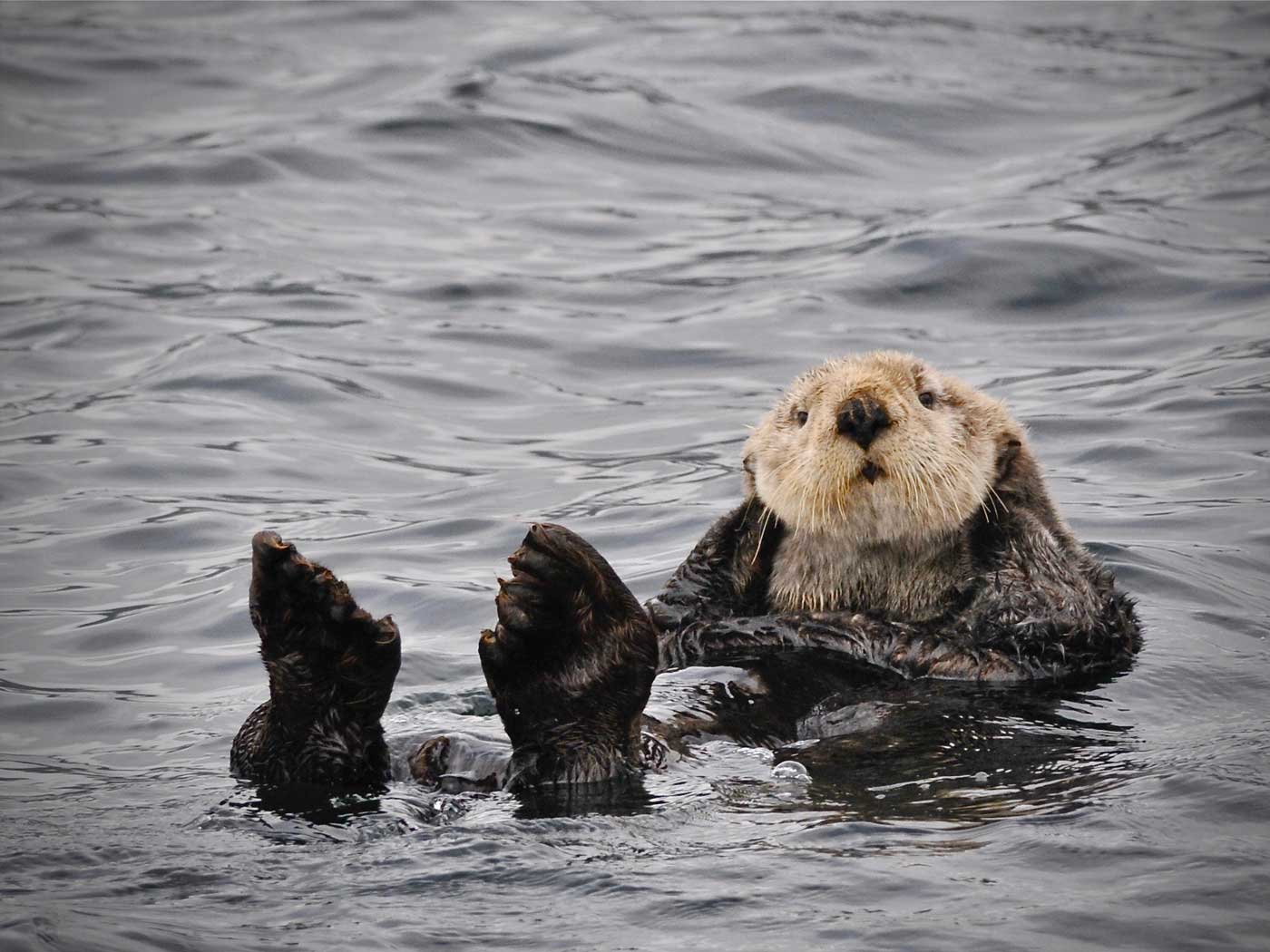
Sea Otters, Dungeness Crabs, and Coronavirus Pandemic P.,.
As healthcare politics dominate America’s news media services (which now includes ICR), at least one population is not bothered by coronavirus: the...

Asymptomatic COVID-19 Cases: Good and Bad News
New testing kits provide a rapid and fairly accurate method of assessing coronavirus infection. In one new study using these kits, the results are revealing...

A Time for Firsts Amid COVID-19
All of us have experience with firsts, and today is no exception as America sails through the uncharted waters of the coronavirus pandemic (COVID-19)....
The Latest
Hummingbird Hawkmoth Exhibits Astonishing Abilities
The incredible hummingbird hawkmoth (Macroglossum stellatarum), and other insects of the Lepidoptera order, continue to amaze entomologists.1,2...
More Than Just Parts: The Networking of Cells
An engineer can list every part in a system and still miss how it works. Think of a radio. Its parts matter, but so does the wiring that joins them....
Living Centenarian Sturgeon: Extreme Genesis Longevity Is Plausible
Native American oral tradition contains stories of sturgeon living for centuries. While this was largely seen as folklore among conventional scientists,...
Brainy Bees Solve Pollen Problem
The uncanny abilities of the honeybee cause entomologists to shake their heads in wonder.1,2
Scientists have long known that honeybees...

October Wallpaper
"Be anxious for nothing, but in everything by prayer and supplication, with thanksgiving, let your requests be made known to God; and the peace...
Possible Ark Site Has Mainstream Media Hopping
An organization named Noah’s Ark Scans is investigating a site called Durupinar, almost 20 miles from Mount Ararat in Turkey. Could it contain...
ANNOUNCEMENTS
Heroes of Creation Science: Henry M. Morris
“The creation/evolution issue is, in a very real sense, the most fundamental issue of all.” —Henry M. Morris
Many people believe the...

Creation Kids: Fungi
Hi, kids! We created a special Acts & Facts page just for you! Have fun doing the activities while learning about the wonderful world...
APOLOGETICS
What is True and False?
by Patrick C . Marks, D. Min., and Brian Thomas, Ph.D.*
In the first article of this series, we explained that truth—that which matches reality—is...
The Cambrian Layer: Explosion or Burial?
The lowest sedimentary layer, rich in hard-shelled fossils, is known as the Cambrian record. Beneath it is the Precambrian, which contains far fewer...
Shop Related Products

The Fossils Still Say No
$29.99