The Institute for Creation Research has monitored the steady flow of fresh-looking fossils for over a decade. 2017 provided additional discoveries of biochemical variety that includes proteins, pigments, and even a pineal gland. These present a real challenge to the millions-of-years age assignments for these fossils, since best-case scenarios predict that biochemicals fizzle out in less than one million years.
[abstract_edit] =>
The Institute for Creation Research has monitored the steady flow of fresh-looking fossils for over a decade. 2017 provided additional discoveries of biochemical variety that includes proteins, pigments, and even a pineal gland. These present a real challenge to the millions-of-years age assignments for these fossils, since best-case scenarios predict that biochemicals fizzle out in less than one million years.
[stage] =>
[stage_edit] =>
[body] =>
The Institute for Creation Research has monitored the steady flow of fresh-looking fossils for over a decade. The year 2017 was impressive with its discoveries of biochemical variety that includes proteins, pigments, and even a pineal gland. Each such discovery presents a real challenge to the millions-of-years age assignments for these fossils, since best-case scenarios predict that biochemicals fizzle out in less than one million years.
Each discovery presents a real challenge to millions-of-years age assignments for these fossils, since best-case scenarios predict that biochemicals fizzle out in less than 1 million years. 
ICR’s Creation Science Update highlighted these 2017 discoveries of fresh-looking fossils:
• The University of Wisconsin-Milwaukee researchers recovered amino acids—protein’s chemical building blocks—from preserved cells of a fossilized once-tropical tree from an Antarctic rock deemed 280 million years old. How can these amino acids still be intact?1
• Gerald Mayr from the Senckenberg Research Institute announced this year the discovery of the world’s oldest lipid. Germany’s Messel Shale, regarded as 48 million years old, harbored an ancient bird’s oil-filled preening gland. And the gland had some of the original oil still in it, not shale.2
• An international team described in the journal Scientific Reports fresh-looking pigments darkening the crusty skin of a fossil turtle.2 Nobody has explained what could possibly have kept bacteria from consuming the carbon-rich pigment for 54 million supposed years.
• German and American scientists described turquoise-colored Cretaceous egg pigments from Chinese oviraptor fossils.3
• Chinese researchers clearly photographed the insides of original bird bone that evolutionists insist was buried 120 million years ago. It had delicate internal canals and fine layers instead of the expected mud-borne minerals inside. Given Earth’s relentless degrading processes, including incessant water movement underground, who would expect a buried bone to persist for even a tenth of that imagined time?
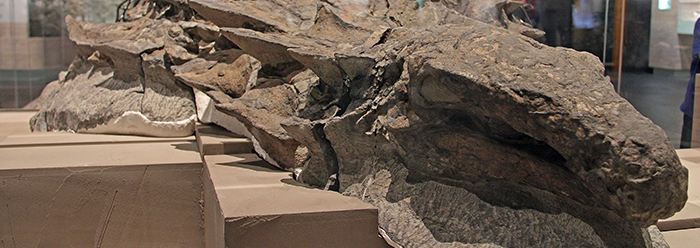
• News outlets hailed a fabulous 2017 fossil the world’s best-preserved dinosaur. Later analyses revealed original pigments still inside its naturally mummified scaly skin.4 Such fresh features don’t fit its 112-125 million-year age assignment.
• Sweden’s Lund University reported fresh waxy cuticles coating supposedly 200-million year-old ginkgo leaves. Low-impact scanning techniques stunned scientists who did not expect them to be “full of organic molecules.”5
Finally, famed amber researcher George Poinar described mammalian blood cells still intact inside a tick trapped in Dominican amber. Amber has no magical preservation properties that would suspend the standard laws of chemical decay for millions of years.6
One more report confirmed collagen protein sequence from a supposedly 80-million-year-old Hadrosaur femur excavated in Montana. Published in the prestigious Journal of Proteome Research, the results again revealed the presence of hydroxyproline, an amino acid unique to collagen.7 Some fossil experts who still disbelieve fossil proteins attribute the discoveries to modern bacteria. But bacteria can’t make hydroxyproline—or collagen for that matter.
We predict 2018 will add more discoveries to the long list of biochemicals that can’t be millions of years old.
The story that fossils are too old to still have short-lived chemicals crumbles under the weight of so many fine discoveries. We predict 2018 will add more discoveries to the long list of biochemicals that can’t be millions of years old.
References
-
Clarey, T. Fossil Trees in Antarctica Preserve Ancient Proteins. Creation Science Update. Posted on ICR.org December 11, 2017, accessed December 15, 2017.
-
Thomas, B. Ancient Animal Biochemicals Again. Creation Science Update. Posted on ICR.org December 7, 2017, accessed December 15, 2017.
-
Wiemann, J. et al. Dinosaur origin of egg color: oviraptors laid blue-green eggs. PeerJ. 5:e3706. See also ICR’s original announcement of this fossil: Thomas, B. Colorful Dinosaur Eggs Challenge Deep Time. Creation Science Update. Posted on ICR.org June 11, 2015, accessed December 15, 2017
-
Thomas, B. Spectacular Dinosaur Has Skin, Horn, Pigments. Creation Science Update. Posted on ICR.org August 28, 2017, accessed December 15, 2017.
-
See references in Thomas, B. Fossil Plants Contain Original Molecules. Creation Science Update. Posted on ICR.org August 3, 2017, accessed December 15, 2017.
-
Thomas, B. 2010. Amber Jewelry: A Conversation Piece for Creation Evidence. Acts & Facts. 39 (9): 17.
-
Schroeter, E.R. et al. 2017. Expansion for the Brachylophosaurus canadensis Collagen I Sequence and Additional Evidence of the Preservation of Cretaceous Protein. Journal of Proteome Research. 16 (2): 920-932.
*Brian Thomas is Science Writer at the Institute for Creation Research and earned his M.S. in biotechnology from Stephen F. Austin State University.
Stage image credit: Used in accordance with federal copyright (fair use doctrine) law. Usage by ICR does not imply endorsement of copyright holders.
Article posted on December 28, 2017.
[body_edit] =>
The Institute for Creation Research has monitored the steady flow of fresh-looking fossils for over a decade. The year 2017 was impressive with its discoveries of biochemical variety that includes proteins, pigments, and even a pineal gland. Each such discovery presents a real challenge to the millions-of-years age assignments for these fossils, since best-case scenarios predict that biochemicals fizzle out in less than one million years.
Each discovery presents a real challenge to millions-of-years age assignments for these fossils, since best-case scenarios predict that biochemicals fizzle out in less than 1 million years.
ICR’s Creation Science Update highlighted these 2017 discoveries of fresh-looking fossils:
• The University of Wisconsin-Milwaukee researchers recovered amino acids—protein’s chemical building blocks—from preserved cells of a fossilized once-tropical tree from an Antarctic rock deemed 280 million years old. How can these amino acids still be intact?1
• Gerald Mayr from the Senckenberg Research Institute announced this year the discovery of the world’s oldest lipid. Germany’s Messel Shale, regarded as 48 million years old, harbored an ancient bird’s oil-filled preening gland. And the gland had some of the original oil still in it, not shale.2
• An international team described in the journal Scientific Reports fresh-looking pigments darkening the crusty skin of a fossil turtle.2 Nobody has explained what could possibly have kept bacteria from consuming the carbon-rich pigment for 54 million supposed years.
• German and American scientists described turquoise-colored Cretaceous egg pigments from Chinese oviraptor fossils.3
• Chinese researchers clearly photographed the insides of original bird bone that evolutionists insist was buried 120 million years ago. It had delicate internal canals and fine layers instead of the expected mud-borne minerals inside. Given Earth’s relentless degrading processes, including incessant water movement underground, who would expect a buried bone to persist for even a tenth of that imagined time?
• News outlets hailed a fabulous 2017 fossil the world’s best-preserved dinosaur. Later analyses revealed original pigments still inside its naturally mummified scaly skin.4 Such fresh features don’t fit its 112-125 million-year age assignment.
• Sweden’s Lund University reported fresh waxy cuticles coating supposedly 200-million year-old ginkgo leaves. Low-impact scanning techniques stunned scientists who did not expect them to be “full of organic molecules.”5
Finally, famed amber researcher George Poinar described mammalian blood cells still intact inside a tick trapped in Dominican amber. Amber has no magical preservation properties that would suspend the standard laws of chemical decay for millions of years.6
One more report confirmed collagen protein sequence from a supposedly 80-million-year-old Hadrosaur femur excavated in Montana. Published in the prestigious Journal of Proteome Research, the results again revealed the presence of hydroxyproline, an amino acid unique to collagen.7 Some fossil experts who still disbelieve fossil proteins attribute the discoveries to modern bacteria. But bacteria can’t make hydroxyproline—or collagen for that matter.
We predict 2018 will add more discoveries to the long list of biochemicals that can’t be millions of years old.
The story that fossils are too old to still have short-lived chemicals crumbles under the weight of so many fine discoveries. We predict 2018 will add more discoveries to the long list of biochemicals that can’t be millions of years old.
References
-
Clarey, T. Fossil Trees in Antarctica Preserve Ancient Proteins. Creation Science Update. Posted on ICR.org December 11, 2017, accessed December 15, 2017.
-
Thomas, B. Ancient Animal Biochemicals Again. Creation Science Update. Posted on ICR.org December 7, 2017, accessed December 15, 2017.
-
Wiemann, J. et al. Dinosaur origin of egg color: oviraptors laid blue-green eggs. PeerJ. 5:e3706. See also ICR’s original announcement of this fossil: Thomas, B. Colorful Dinosaur Eggs Challenge Deep Time. Creation Science Update. Posted on ICR.org June 11, 2015, accessed December 15, 2017
-
Thomas, B. Spectacular Dinosaur Has Skin, Horn, Pigments. Creation Science Update. Posted on ICR.org August 28, 2017, accessed December 15, 2017.
-
See references in Thomas, B. Fossil Plants Contain Original Molecules. Creation Science Update. Posted on ICR.org August 3, 2017, accessed December 15, 2017.
-
Thomas, B. 2010. Amber Jewelry: A Conversation Piece for Creation Evidence. Acts & Facts. 39 (9): 17.
-
Schroeter, E.R. et al. 2017. Expansion for the Brachylophosaurus canadensis Collagen I Sequence and Additional Evidence of the Preservation of Cretaceous Protein. Journal of Proteome Research. 16 (2): 920-932.
*Brian Thomas is Science Writer at the Institute for Creation Research and earned his M.S. in biotechnology from Stephen F. Austin State University.
Stage image credit: Used in accordance with federal copyright (fair use doctrine) law. Usage by ICR does not imply endorsement of copyright holders.
Article posted on December 28, 2017.
[typeID] => 9
[visible] => t
[pdf] =>
[publishURL] => best-2017-fleshy-fossils
[publishDate] => 0000-00-00
[authorAsterisk] => t
[domainID] => 1
[publication] =>
[volume] =>
[issue] =>
[page] =>
[author] => Brian Thomas, Ph.D.
[rand] => 1390196047.373055
)
-->