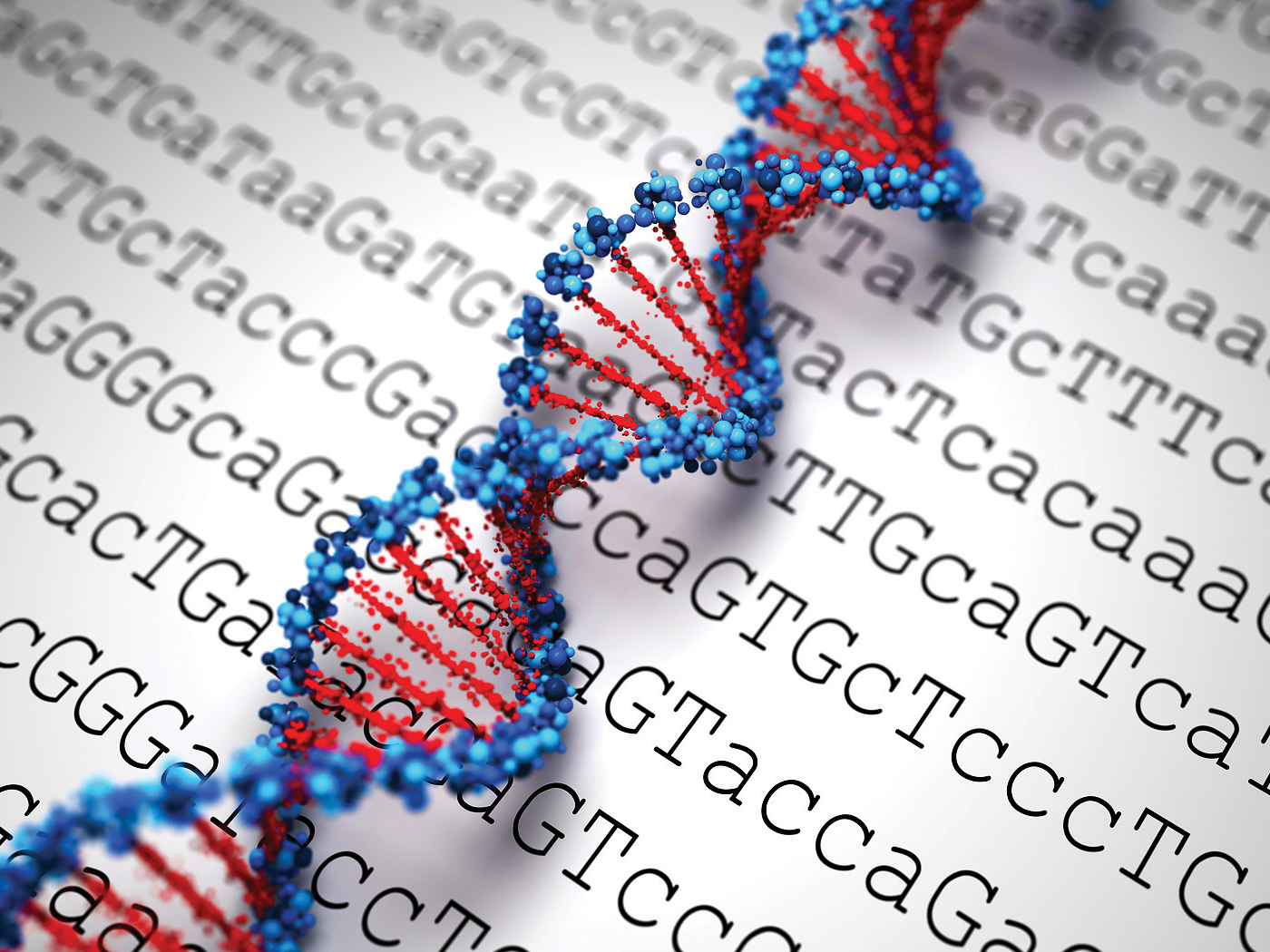
The erroneous idea that complex genetic information in the form of genes and regulatory DNA can randomly evolve, has become more untenable with every new discovery in the field of genomics. Just this past week, a discovery published in the prestigious British journal Nature has once again spectacularly confirmed that evolution is nothing but a complete myth.1 While the discovery was groundbreaking, the research paper received very little publicity or fanfare in the scientific press. I wonder why?
To understand the importance of the discovery, a brief review on some standard biology is in order. When sperm and egg cells are formed in animals, the process of meiosis occurs to create genetic variation. This is why the offspring of two parents are always unique, except for identical twins where the fertilized egg cell splits into two embryos.
Most plant and animal genomes have two sets of chromosomes, one set from the father (paternal) and the other from the mother (maternal). Part of the process to create genetic variation occurs at the beginning of meiosis when the maternal and paternal chromosomes pair up with their similar counterparts and exchange segments of DNA in a process called homologous recombination. This means that only similar (homologous) parts of DNA can be exchanged (recombined) between the sister chromosomes.
Homologous recombination involves the exchanging or shuffling of DNA segments to facilitate genetic variability, only in a highly controlled manner. The DNA segments are typically maintained in the same order on the chromosomes and the process is only allowed to occur in certain parts of the genome. These areas where recombination occurs are called hotspots.
The common house mouse (Mus musculus) is one of the primary DNA model systems for animal genomes. Recombination hotspots have recently been mapped all over the mouse genome.2,3 Scientists have recently discovered that genetic recombination is directed away from sensitive parts of the genome that contain genetic control elements and features.1 These key parts of the genome carefully regulate how genes are turned off and on and function in precisely regulated networks.1,2,3
Evolutionists have speculated for years that homologous recombination is one of the key mechanisms associated with the creation of new genes and regulatory DNA sequences. They claim that this operates as some sort of mystical tinkering mechanism that miraculously spits out new genes that somehow become fully and precisely integrated into the genome's functional networks.
The emerging concept that homologous recombination is a highly regulated and controlled feature of the genome limited to specific hotspots contradicts the idea of random evolutionary processes being able to produce new genes.
We also know that the key regulatory parts of the genome that are critical for gene function are protected from recombination processes.1 This scientific discovery is a virtual death blow to any idea that recombination can serve as a random tinkering tool to create new genes and gene functions.
References
- Brick, K. et al. 2012. Genetic recombination is directed away from functional genomic elements in mice. Nature. 485 (7400): 642-645.
- Neale, M. J. and S. Keeney. 2006. Clarifying the mechanics of DNA strand exchange in meiotic recombination. Nature. 442 (7099): 153–158.
- Smagulova, F. et al. 2011. Genome-wide analysis reveals novel molecular features of mouse recombination hotspots. Nature. 472 (7343): 375–378.
* Dr. Tomkins is Research Associate at the Institute for Creation Research and received his Ph.D. in Genetics from Clemson University.
Article posted on June 11 2012