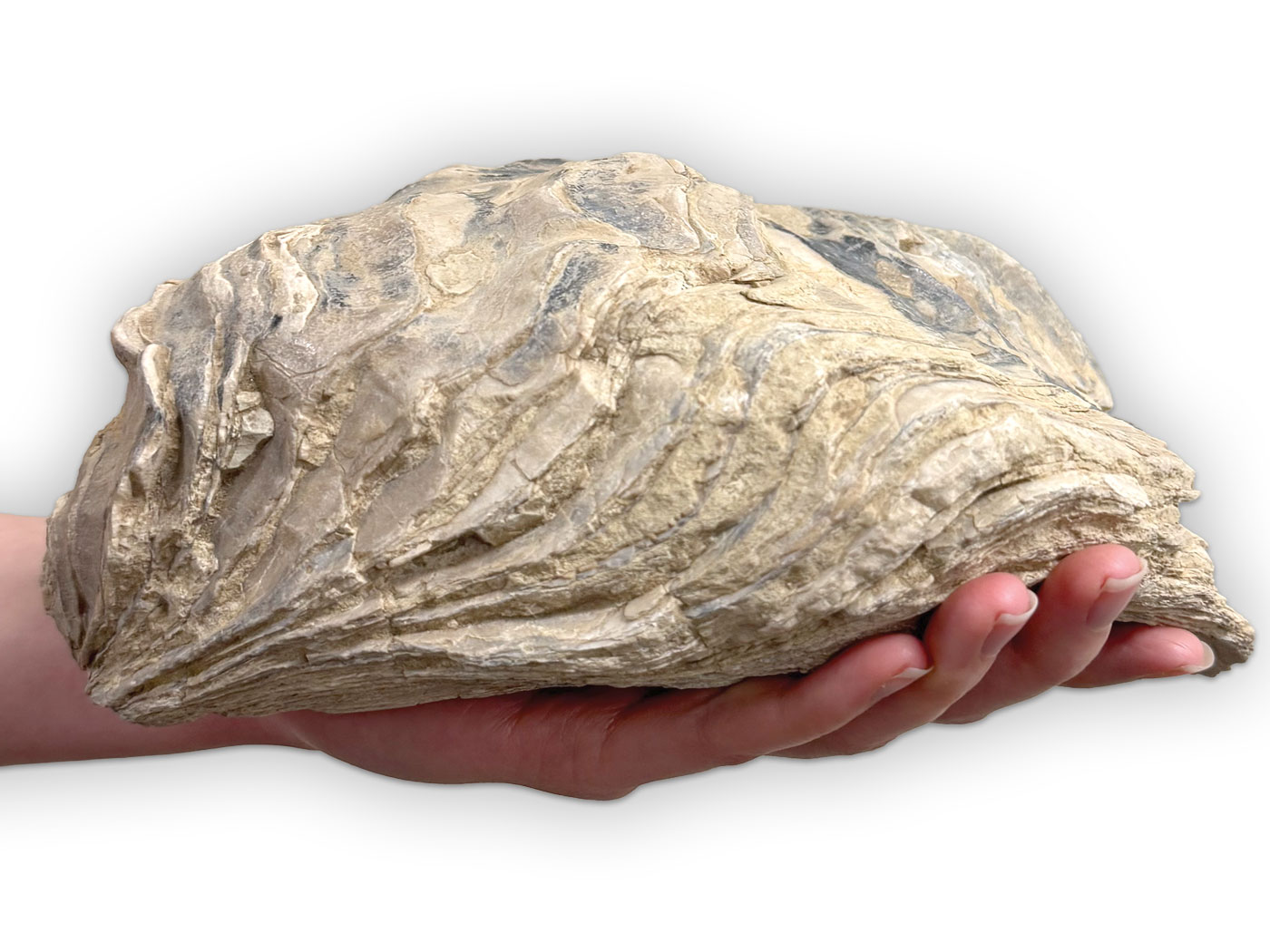
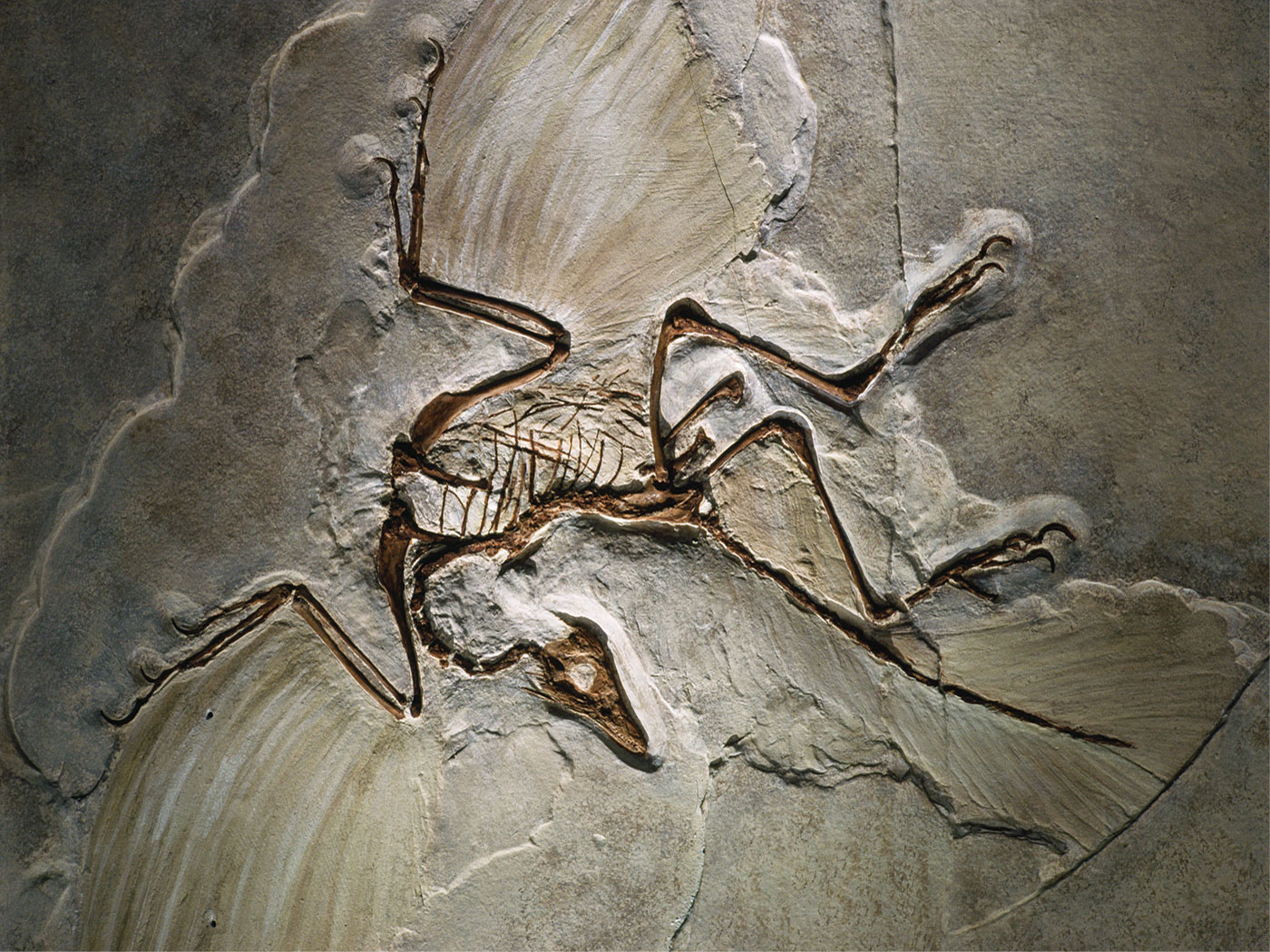
A trio of geologists has published what they called the first successful direct dating of dinosaur bone. They used a new laser technique to measure radioisotopes in the bone, yielding an age of millions of years.
But this "age" was not only the result of a broken radioisotope system, it was contrived to agree with previously assigned dates for the samples.
The scientists analyzed the abundance of radioactive isotopes of certain elements that had leeched into the edges of buried dinosaur bone from the San Juan Basin in northern New Mexico and southern Colorado. Their new technique involved first polishing a slice of bone and then shooting a laser beam onto its surface. The laser dislodged radioisotopes and other relevant isotopes, which were detected and counted. They then used these measurements to estimate an age for the bone.
But radiodating cannot proceed without some primary assumptions: the starting conditions of a given sample (e.g., how much of each isotope was present in the beginning), a steady rate of decay of certain radioactive isotopes of elements called radioisotopes, and a lack of tampering with the system (e.g., elements added or subtracted since the radioisotope "clock" first began counting time). Then, the current amount of radioisotope is compared to the amount of stable element into which it is slowly changing. In theory, this ought to supply an age estimate.
However, evidence has mounted that radioisotopes underwent a period of radical acceleration of decay in the past.1 This evidence has indicated that radioisotopes have not decayed at a constant rate, and therefore the radiodating "clocks" in general are all broken.
One clue that they are broken comes from the evolutionary age disagreements that characterize the whole field of radioisotope dating. For example, an igneous rock from the Grand Canyon…which, unlike sedimentary rock, is a type of rock that has been considered "datable" because the relevant isotopes are locked up in its tiny crystals…was tested by standard means. It formed from lava that spilled down the canyon's side. Amazingly, it was dated at millions of years older than the sedimentary rocks under it!2
The data from one of the San Juan Basin dinosaur limb bones showed a range of "ages" from roughly 15 to 85 million years. The authors tried to explain away the younger-looking numbers by writing in their report in Geology, "This pattern is attributable to a relatively young uranium-gain event."3 Thus, it was taken on faith that the data indicating a younger age do not represent the real age, but instead represent the age of some event whereby uranium was supposedly added to the dinosaur bone millions of years after it had been encased in its Cretaceous sandstone formation.
Some of the calculated "ages," though, lined up with the already assumed age of 64 million years, and these data were hand-picked to represent the "age" of the fossil. Thus, the technique was called "the first successful direct dating of fossil vertebrate bone"…a classic case of circular reasoning.3
This new assertion not only ignores evidence that radioisotopes experienced accelerated decay, probably during the Genesis Flood, but also ignores two totally different natural processes that could be used to help verify the researchers' claim that the new technique was "successful."
First, as non-mineralized original dinosaur bone, the samples might contain the primary bone materials hydroxyapatite and collagen protein. Collagen is known to decay at a certain rate, even when dry and sterile. Since it is a biomolecule, it spontaneously decays even when encased inside bone or shell. It is no wonder that scientists were not interested in looking for collagen in these dinosaur bones, since no collagen could remain after a maximum of 30,000 years.4 If any collagen whatever is still in the bone, this would falsify their evolution-friendly "age."
Also, collagen contains carbon. Thus, if collagen is present, the bones could be carbon-dated. But given the known decay rate of radiocarbon, none of it could remain after 60,000 years. Neither collagen nor radiocarbon was tested in these dinosaur bones. Instead of hand-picking data points from a broken radiodating system and calling that a "successful" determination of age, why not take the scientific high road to legitimacy and perform cross-checks with alternative natural processes?
The answer is simple. Any indication that these dinosaur bones are not millions of years old might call the whole evolutionary picture into question, and might therefore offer evidence for a recent creation. And in the world of secular science, that cannot be allowed to happen, even if the data call for it.
References
- Vardiman, L. 2007. RATE in Review. Acts & Facts. 36 (10): 6.
- Austin, S. A. 1992. Excessively Old "Ages" for Grand Canyon Lava Flows. Acts & Facts. 21 (2).
- Fassett, J. E., L. M. Heaman and A. Simonetti. 2011. Direct U-Pb dating of Cretaceous and Paleocene dinosaur bones, San Juan Basin, New Mexico. Geology. 39 (2): 159-162.
- Thomas, B. How Long Can Cartilage Last? ICR News. Posted on icr.org October 29, 2010, accessed February 7, 2011.
* Mr. Thomas is Science Writer at the Institute for Creation Research.
Article posted on February 11, 2011.