The Internet search engines Google and Yahoo! have massive server farms that are all interconnected in a network configuration called “cloud computing.” These systems are engineered with fault tolerance features so that if one server breaks down it does not impair the operation of the whole, since another server has all the data ready to go in no time. Although mankind has learned through hard experience to structure networks this way, it turns out that biological systems have been equipped all along with their own disaster recovery backups.
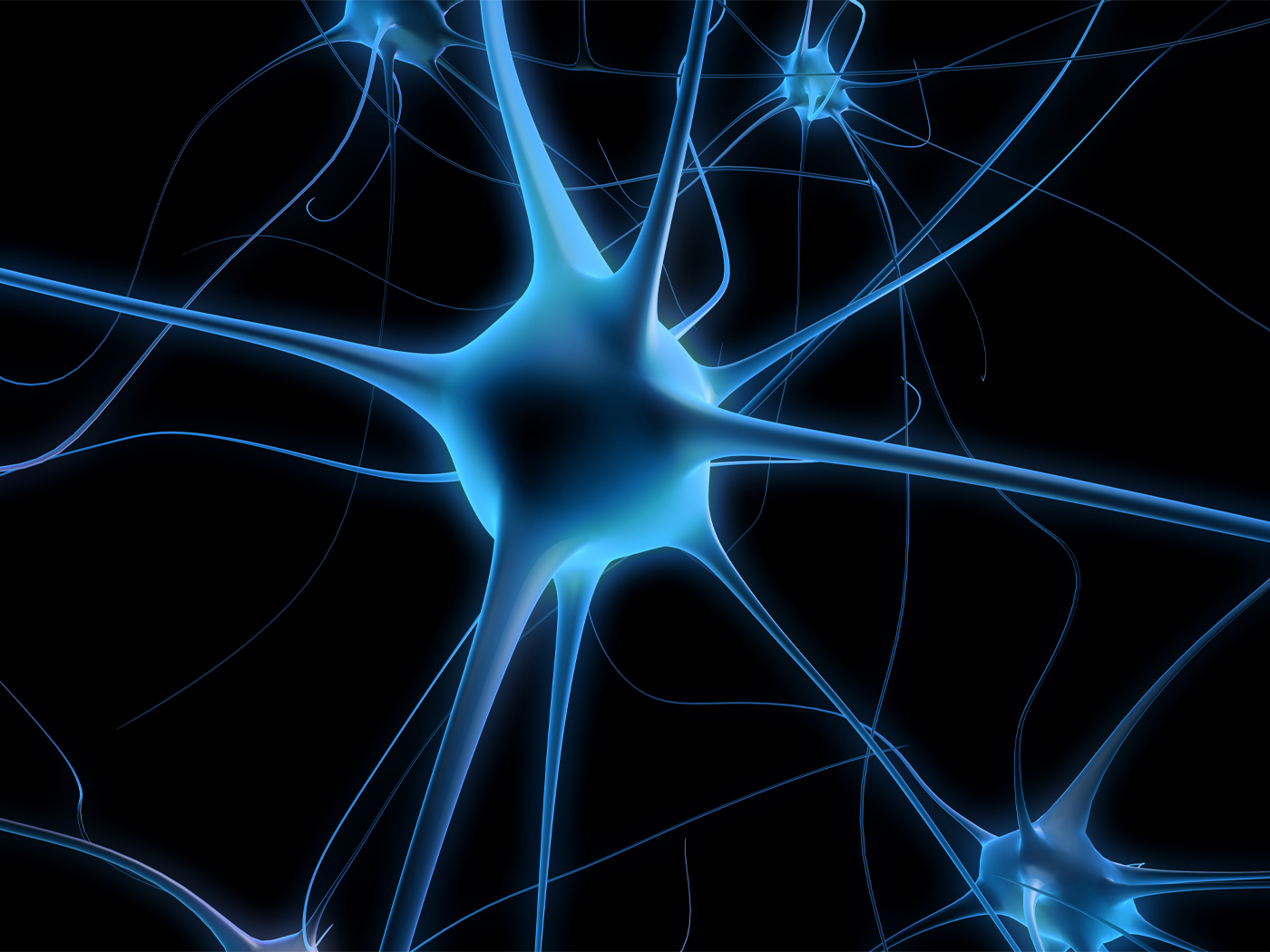
A research team led by Carnegie Mellon University computational biologist Ziv Bar-Joseph found evidence for these built-in fault tolerance features in cells. The research showed that essential regulatory DNA sequences, like the ones that tell the cell which genes need to become active at what time and for how long, are backed up “to a degree we hadn’t appreciated.”1
Certain experimental observations had previously befuddled cell biologists, who thought that the informational redundancy in DNA served no practical purpose, except perhaps as fodder for further evolutionary changes. However, when master genes were purposefully wrecked one by one, all different kinds of cells continued living, as though the genes were still there. Bar-Joseph found the answer to the puzzle—there are backup copies of these key, or “master,” genetic sequences.
Researchers then removed both primary and backup copies of master genes to test their hypothesis. They found very noticeable effects as sets of genes under regulatory control failed to activate. These backup copies were part of a dynamic fault tolerance plan that focused on the disaster recovery of key regulatory gene sequences.
Anthony Gitter, lead author of the study, said that “for the most part cells are very robust machines,…robust computational devices, employing redundancy in the same way that enables large computing systems, such as Amazon, to keep operating despite the fact that servers routinely fail.”1
Interestingly, however, the research report avoided asking where these amazing biological plans came from. Since Google and Yahoo! server systems were purposefully engineered to include various levels of fault tolerance, it makes sense that similar features in cells also required purposeful engineering. The natural, random processes observed in the world are not capable of engineering such “robust” cellular machines.
However, a Creator as wise, powerful, and benevolent as the One described in the Bible could—and did.
Reference
- Spice, B. Cells Are Like Robust Computational Systems, Carnegie Mellon-Led Team Reports. Carnegie Mellon University press release, June 16, 2009, reporting research published in Gitter, A. et al. 2009. Backup in gene regulatory networks explains differences between binding and knockout results. Molecular Systems Biology. 5 Article number: 276.
* Mr. Thomas is Science Writer at the Institute for Creation Research.
Article posted on August 4, 2009.