Invasion of the Giant Lizards | The Institute for Creation Research

Invasion of the Giant Lizards
We are already contending with the COVID-19 virus and the recent spate of murder hornets in the Pacific Northwest, but now sobering news coming out of Georgia sounds like a B-level horror movie. According to the Georgia Department of Natural Resources, a large invasive lizard—hailing from Guiana to Uruguay in South America—has now been discovered in areas of south Florida and two Georgia counties.

The squat-bodied ugly creature is called the Argentine white and black Tegu (Salvator merianae) of the family Teiidae. Like most invasive species, it is threatening native animals in Georgia.1 These include gopher tortoises, turkeys, quail, and even the formidable American alligator. The Tegu is a ground-dweller that shelters in burrows found in mixed woodlands and grasslands.

The Tegu can multiply quickly, weighs about 10 pounds, and may get up to 4 feet long. It has large and powerful limbs with sharp claws, a long tail, and a long forked tongue.

Tegus are similar to monitor lizards (family Varanidae), but evolution theory states they are only distantly related. Their similarities are attributed to the strange idea of convergent evolution which is “similarity between two organisms…due to independent evolution along similar lines rather than descent from a common ancestor.”2 Convergence has always been a slippery term that is difficult to quantify.

Invoking convergent evolution negates the very logic of the argument from homology, which affirms that similarity implies common ancestry, except—we now learn—in those many, many cases when it does not.3

Creationists see the Tegu as a member of the created kind of lizards (the Squamata, the largest order of reptiles) that have moved in and filled a host of ecological niches since the Flood. As always, the fossil record shows that squamates have always been squamates.

References
1. Argentine Black and White Tegus. Georgia Department of Natural Resources, Wildlife Resources Division. Posted on georgiawildlife.com, accessed May 27, 2020.
2. Lawrence, E. 2011. Henderson’s Dictionary of Biology. New York: Pearson Education Limited, 142. See also Bethell, T. 2017. Chapter 10. In Darwin’s House of Cards. Seattle, WA: Discovery Institute Press.
3. Meyer, S. 2013. Darwin’s Doubt. New York: HarperOne, 133.

*Mr. Frank Sherwin is Research Associate at the Institute for Creation Research and earned his master’s degree in invertebrate zoology from the University of Northern Colorado.

The Latest
NEWS
February 2026 ICR Wallpaper
"Be strong and of good courage, do not fear nor be afraid of them; for the LORD you God, He is the One who goes with you. He will not leave you...

NEWS
Microgravity's Effect on Bacteriophages Is Not Evolution
The word evolution is often used imprecisely, leading the public to believe that any biological change is evolution, and, therefore, it’s a fact.1...

NEWS
Engineered for Extremes: The Hidden Precision of a Salt Lake...
Water that is nearly five times saltier than the ocean is deadly to most animals. But in Utah’s Great Salt Lake, scientists have found a tiny...

CREATION PODCAST
Giant Sequoias: Too Complex to Be Accidental | The Creation Podcast:...
What living thing grows taller than a 25-story building, survives raging wildfires, and actually depends on those fires to reproduce? Giant sequoias...

NEWS
Bound by Design: How a Universal Temperature Law Reveals Life’s...
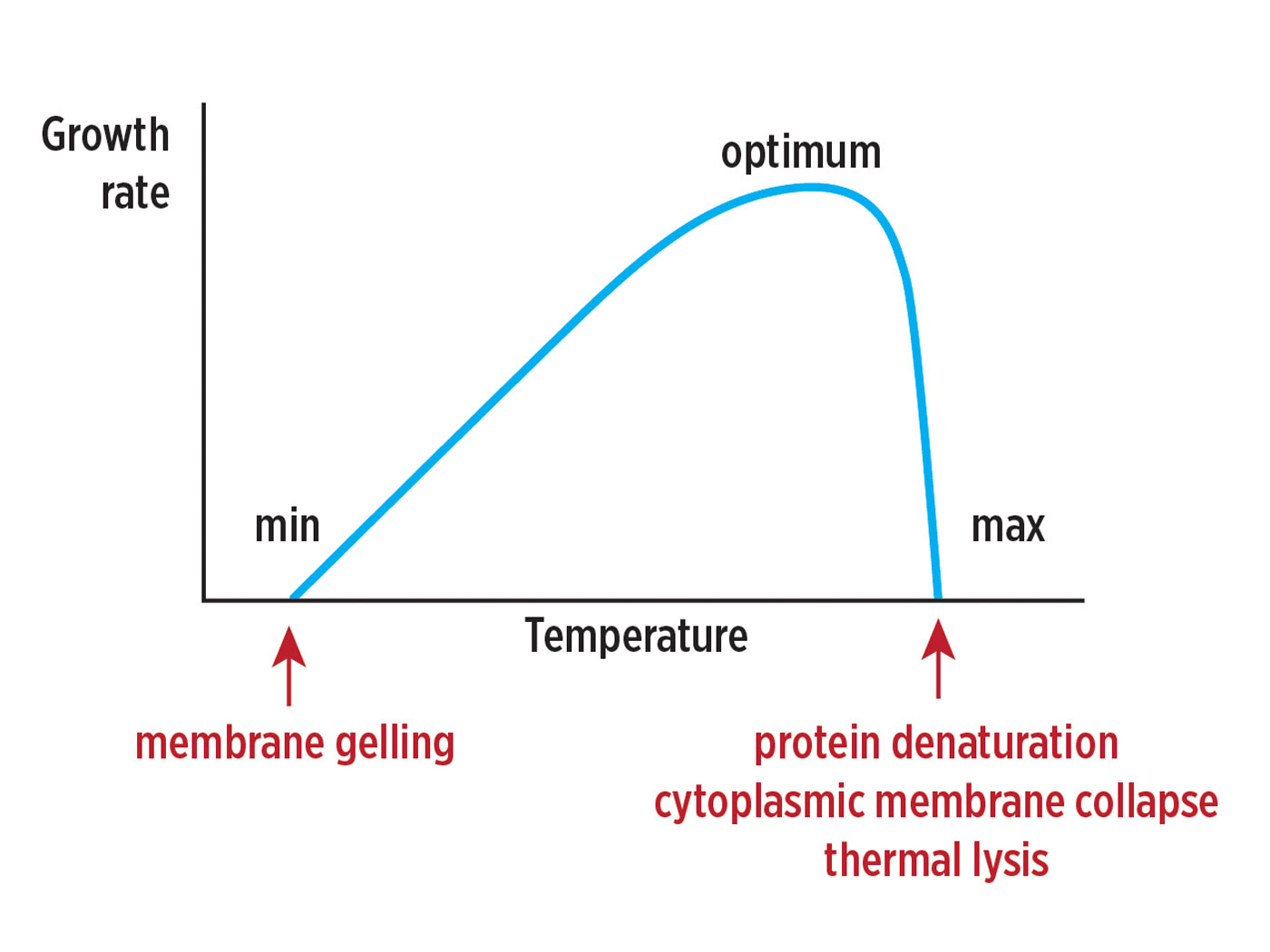
What if every living creature—from coral reefs and cold-water fish to mountain flowers and desert reptiles—followed the same hidden temperature...

NEWS
The Flood Explains 18,000 Dinosaur Tracks in Bolivia
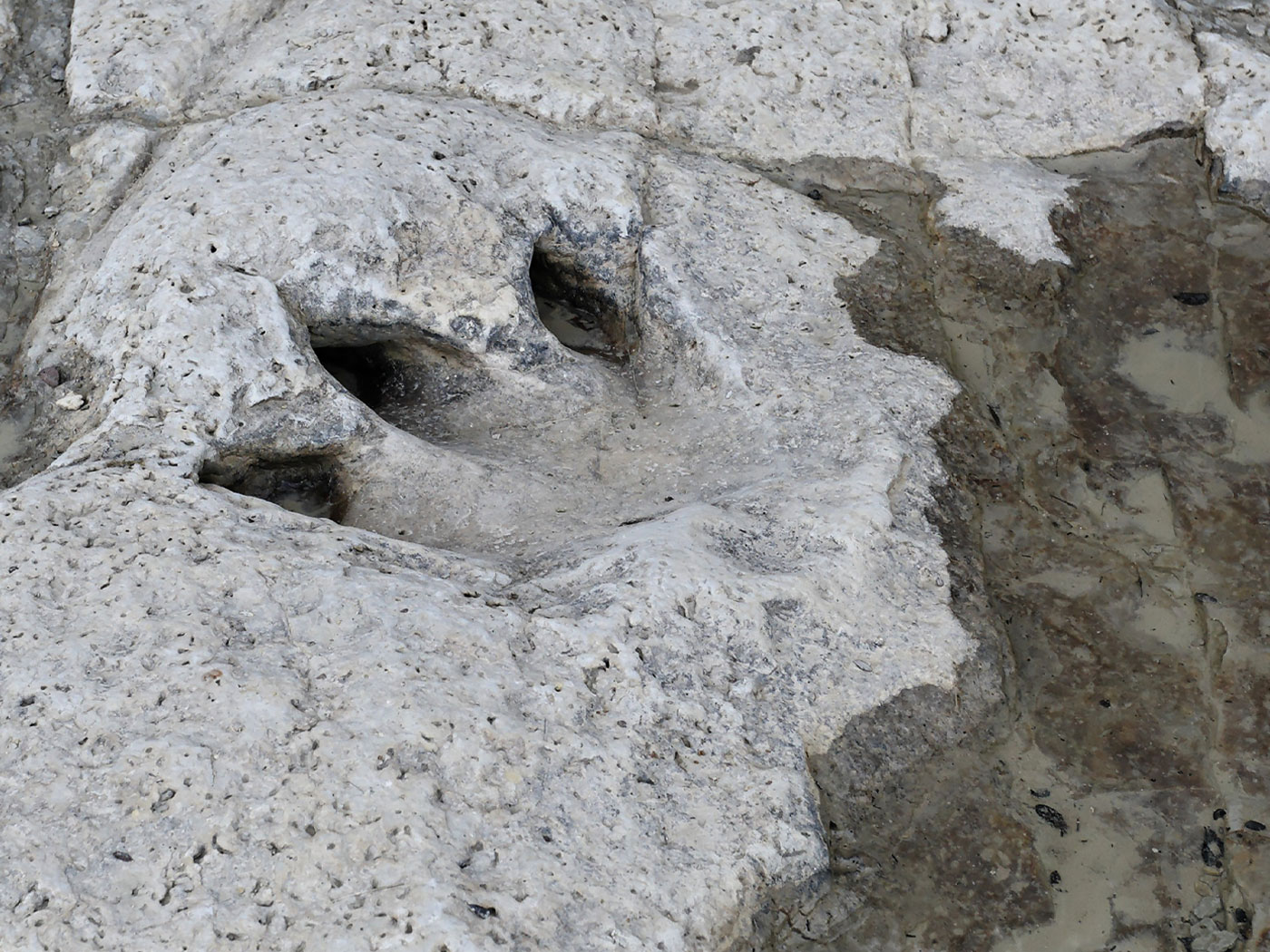
A new discovery of 18,000 individual dinosaur tracks in the Bolivian El Molino Formation contains the highest number of theropod dinosaur tracks in...

NEWS
Prolonged 40-Year Growth in T. Rex: Evidence for Pre-Flood Longevity?
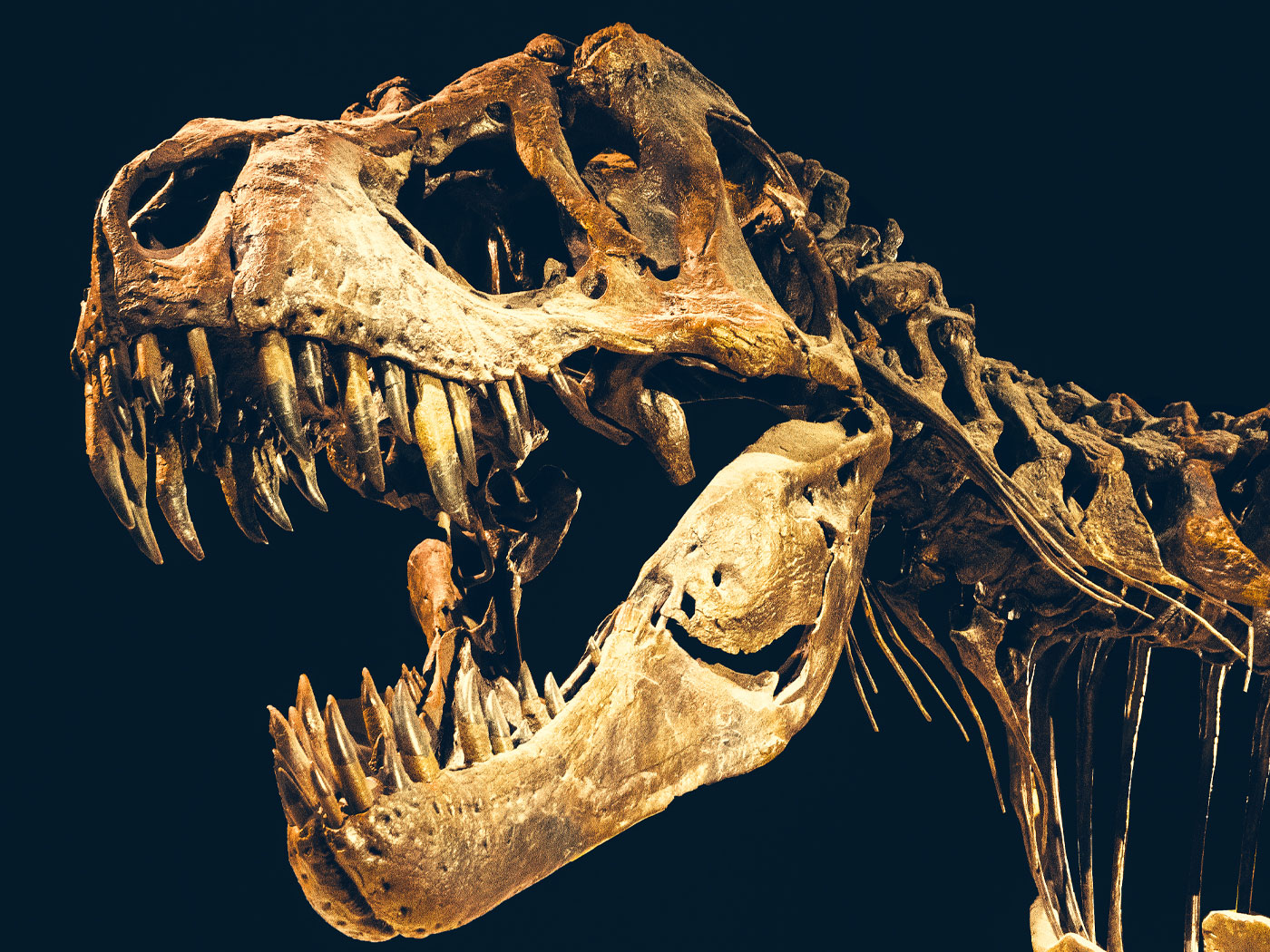
An open access 2026 PeerJ research paper claims that T. rex took 40 years to reach its full adult body size, in contrast to a much shorter previous...

NEWS
Recent Discovery of a Strange Microbe Gives No Clues to Evolution
Research into God’s living creation is dynamic and always surprising. This is true whether one peers into the deepest reaches of space or dives...

NEWS
Built to Adapt: What Microbial Flexibility Reveals about Biological...
Imagine a machine that keeps working even when its parts change slightly or its surroundings shift. Most human-made machines would fail under that kind...

CREATION PODCAST
Scientists Ignored This DNA Pattern for DECADES! | The Creation...
Almost every living organism has tiny stretches of DNA that repeat over and over again. Scientists call these tandem repeats, and for a long time they...