The Bible makes it clear that the Flood destroyed Earth’s surface. However, Genesis 2 says that a river named Euphrates flowed before the Flood, even though a river with that same name currently flows through Syria and Iraq. Three biblical details resolve this apparent dilemma.
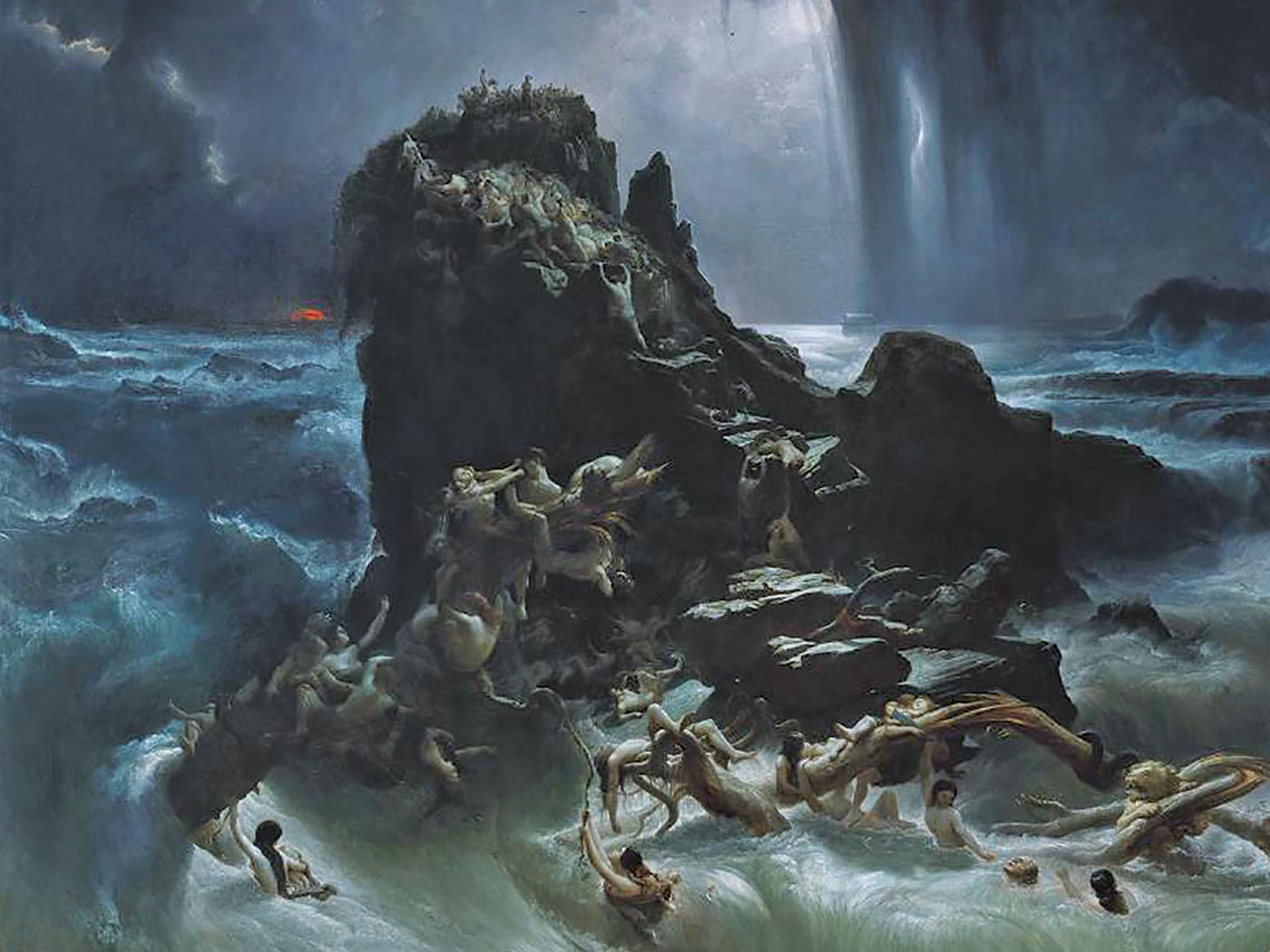
First, the Bible really does teach that the Flood obliterated Earth’s surface, and geology agrees. “The waters prevailed fifteen cubits upward, and the mountains were covered. And all flesh died that moved on the earth.”1 Today, small-scale flooding can destroy and rework landscapes. A flood with enough water to cover God’s originally created high hills would have pulverized rocks and redeposited debris around the world.
Genesis 7:21 says the Flood destroyed “all flesh.” This means that even the birds and pterosaurs eventually found no place to land. The apostle Peter wrote, “The world that then existed perished, being flooded with water.”2 The whole world “perished”—even its ancient rivers.
Nearly every major package of sedimentary rock layers holds evidence of watery deposition.3 For example, fossils show rapid burial. Flood currents aligned millions of straight-shelled nautiloids within Arizona’s Redwall Limestone4 and millions of Maiasaura bones in Montana’s Two Medicine Formation.5
If Scripture and rocks agree that water destroyed the world, how can modern maps show the Genesis 2 Euphrates River? More details show that they’re not the same river.
The second detail is found in Genesis 2:10-14, which describes a single water source that parted into four major rivers. Euphrates occurs on modern maps, but Pishon, Gihon, and Hiddekel do not. Tracing today’s post-Flood Euphrates River to its sources reveals streams trickling down the Taurus Mountains instead of an immense fountain that supplies three other major rivers.
Tracking down the origins of the name Syria reveals the final helpful detail. Genesis 2 tells of a pre-Flood land translated “Assyria,” but it uses the same Hebrew word translated “Asshur” in Genesis 10:22. Shem’s son Asshur fathered the ancient Assyrians after the Flood. Shem, one of the eight humans saved on the Ark, knew the original Euphrates River and the pre-Flood Assyria. He likely borrowed the name for his son. Even today we borrow old names for our sons and daughters.6 Bible study reveals other names borrowed from the pre-Flood world, like Havilah and Cush.
These name links suggest a name ancestry: Today’s Syria was named after the Assyrians who “carried Israel away captive” in 723 B.C.7 Assyria reflected the name of Shem’s son Asshur. Finally, Asshur was likely named after the pre-Flood land Asshur.
The Flood destroyed the original Euphrates River along with the rest of Earth’s surface features. But in the same way that New York was renamed after York, England,8 someone long ago must have named today’s Euphrates River after the pre-Flood river of the same name.
References
- Genesis 7:20-21a.
- 2 Peter 3:6.
- Layers long interpreted as wind-blown deposits, like the Coconino Sandstone, have cross-bed angles that match those of underwater sand dunes. See Thomas, B. 2014. Do Sand-Dune Sandstones Disprove Noah’s Flood? Acts & Facts. 43 (9): 18.
- Austin, S. A. 1990. Were Grand Canyon Limestones Deposited by Calm and Placid Seas? Acts & Facts. 19 (12).
- Horner, J. R. and J. Gorman. 1988. Digging Dinosaurs. New York: Workman Publishing, 129.
- Noah was in the top 10 popular boy names among the millions of BabyCenter users in 2015. Most Popular Baby Names of 2015. BabyCenter fact sheet. Posted on babycenter.com, accessed May 19, 2016.
- 2 Kings 18:9-11.
- Scripture even describes such a renaming event in Judges 1:22-26.
* Mr. Thomas is Science Writer at the Institute for Creation Research.