Three of my daughters took a night swim in a bioluminescent bay during a mission trip to Puerto Rico in 2012. They splashed water on their heads and watched their hair glow green from countless tiny shining dinoflagellates. It was a once in a lifetime experience!
If just one animal on earth had the ability to generate its own light, then we should praise the Lord for designing such a wonder. But dozens of different kinds of animals can bioluminesce, multiplying the Maker’s glory. Most of the scientists who study bioluminescence wrongfully divert that praise from God to nature. They tell stories of how natural processes supposedly constructed the complicated bio-machinery that so efficiently produces cold light in living cells. However, one review study of bioluminescence encountered two obstacles that force evolution’s story to steer in circles.1
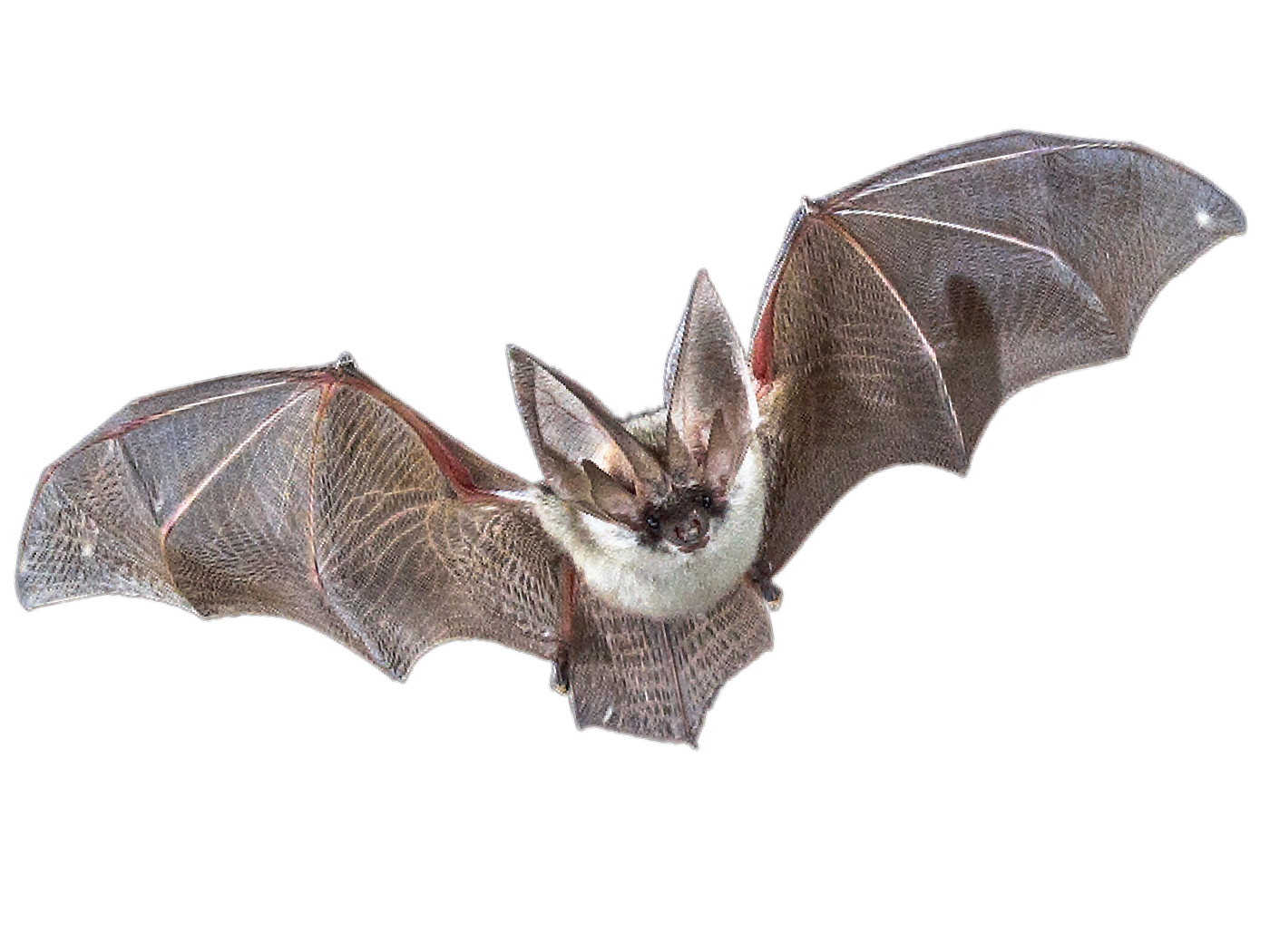
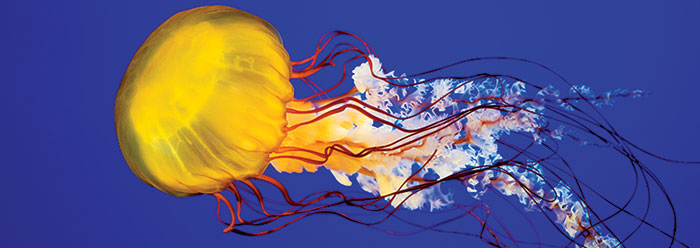
The list of bioluminescent species includes bacteria, fungi, jellyfish, sea worms, sea slugs, clams, squid, roundworms, beetles, isopods, ostracods, copepods, shrimp, centipedes, millipedes, sea stars, crinoids, fish, sharks, tunicates, and many other less familiar living things. Scientists continue to discover more bioluminescent species.
Evolutionary researchers organize all of these basic forms onto a preconceived “tree of life” that supposedly shows how closely related each form might be to another, assuming all creatures share common ancestry.2 Evolutionists expect one creature to have evolved bioluminescence and then to have passed that trait along to its descendants. However, the researchers do not find this or any other evolutionary pattern. Instead, bioluminescence is scattered willy-nilly among dozens of totally different life forms.
The study authors, publishing in the Annual Review of Marine Science, wrote, “The distribution of bioluminescence across the major taxonomic [animal] groups does not appear to follow any obvious phylogenetic [evolutionary] or oceanographic constraint.”1 This mismatch between theory and reality presents the first obstacle evolutionists face.
Some animal groups are mostly bioluminescent but include a few “dull” members. Other groups are mostly non-luminous but have a handful that shine just fine. These “unpredictable patterns are found within many phyla.” Evolutionists must desperately cling to the unlikely “estimate that bioluminescence has evolved a minimum of 40 times, and likely more than 50 times, among extant organisms.”1
Similarly, a separate study mapped mammals with an appendix, a small organ attached to intestines. The evolutionists “found that the 50 species [with an appendix, out of 361 mammals] are scattered so widely across the tree that the structure must have evolved independently at least 32 times, and perhaps as many as 38 times.”3 These scattered patterns readily fit into the biblical account of creation. The Creator built bioluminescence, as well as an appendix, into just those bodies that He wished.4 If bioluminescence evolved so often in the past, then why is it not evolving today?
In addition to their failure to explain which animals should glow, evolutionists encounter a biochemical problem—the second obstacle. Each bioluminescing animal appears to use unique specifics in its light production, and all of them require precise molecular machine parts. A vitamin-like molecule called a “luciferin” emits a photon of light when it reacts with oxygen. An enzyme controls this reaction as its specific luciferin docks into a fitted pouch. The enzymes also have on-off switches. Many animals turn off banks of enzymes to dim their lights. If unregulated, animals could conceivably glow themselves to death!
Engineers envy the efficiency of bioluminescence.5 Whoever designed its differing strategies outperformed human engineers on all 40-plus attempts. Evolutionary stories about bioluminescence have far too difficult a task surmounting these two scientific obstacles for them to stand in the way of the brilliant Creator getting the credit He deserves.
References
- Haddock, S. H. D., M. A. Moline, and J. F. Case. 2010. Bioluminescence in the Sea. Annual Review of Marine Science. 2 (2010): 443-493.
- Sherwin, F. and B. Thomas. 2009. Darwin’s Withering Tree of Life. Acts & Facts. 38 (5): 16.
- Barras, C. Appendix Evolved More Than 30 Times. Science Now. Posted on news.sciencemag.org February 12, 2013, accessed February 13, 2013.
- Thomas, B. 2008. The Gaps in “The God of the Gaps.” Acts & Facts. 37 (11): 15.
- Hadhazy, A. 6 Bright Ideas for Bioluminescence Tech. Popular Mechanics. Posted on popularmechanics.com, accessed February 21, 2013.
* Mr. Thomas is Science Writer at the Institute for Creation Research.
Cite this article: Thomas, B. 2013. The Unpredictable Pattern of Bioluminescence. Acts & Facts. 42 (4): 17.