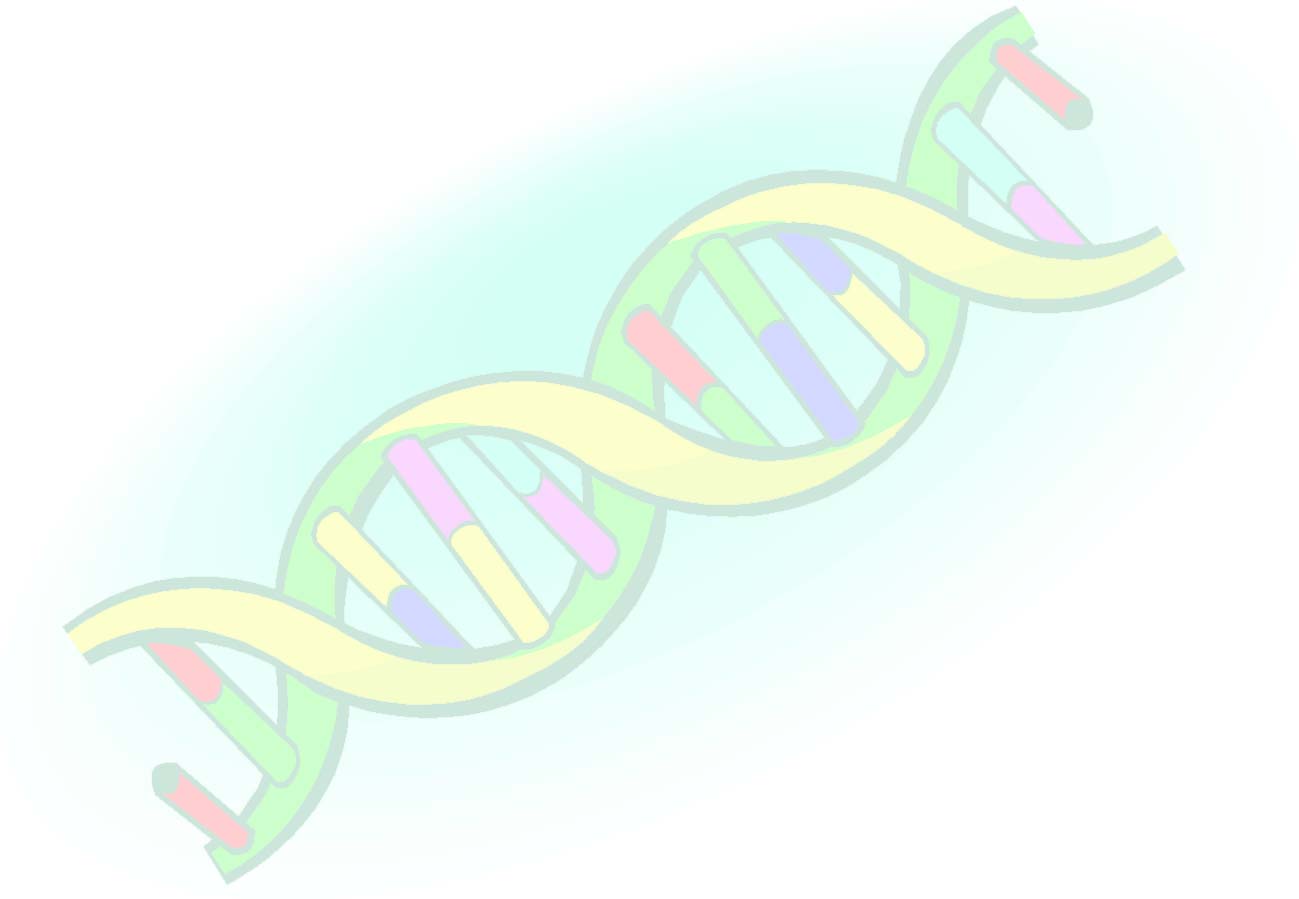
If someone were to ask a creation scientist for evidence of creation, he may very well reply, "The DNA molecule." Everyone has heard of this "molecule of life" found in virtually every cell in our body. DNA is organized into chromosomes (people have 46) upon which many thousands of genes (units of heredity, comprised of nucleotide bases called T, G, C, and A) are found.
The amazing Human Genome Project continues to fine-tune both the mapping of specific genes (we only have about 34,000) and sequencing the enormous DNA "ladder" of base-pairs. The ravages of time and environmental factors such as cigarette smoke and ultraviolet (UV) sunlight — along with other carcinogens and cytotoxic compounds — guarantees our DNA will be damaged. A majority of these changes are momentary however, because the Creator has designed specific molecules and systems to repair the genetic damage. This is what is collectively known as DNA repair. It has been known for some time that DNA possesses the incredible ability to repair itself when damaged. But how did such self-repair come about — time and chance or special creation? It is difficult enough for the secularist to explain a Darwinian step-by-step description of the origin of a functional DNA molecule from raw chemicals. But how did the 130 known DNA repair genes of people evolve that help with... DNA repair? Surely as DNA was evolving from lifeless chemicals, it would need the attention of DNA repair molecules that could only evolve later on — having been programmed by DNA!
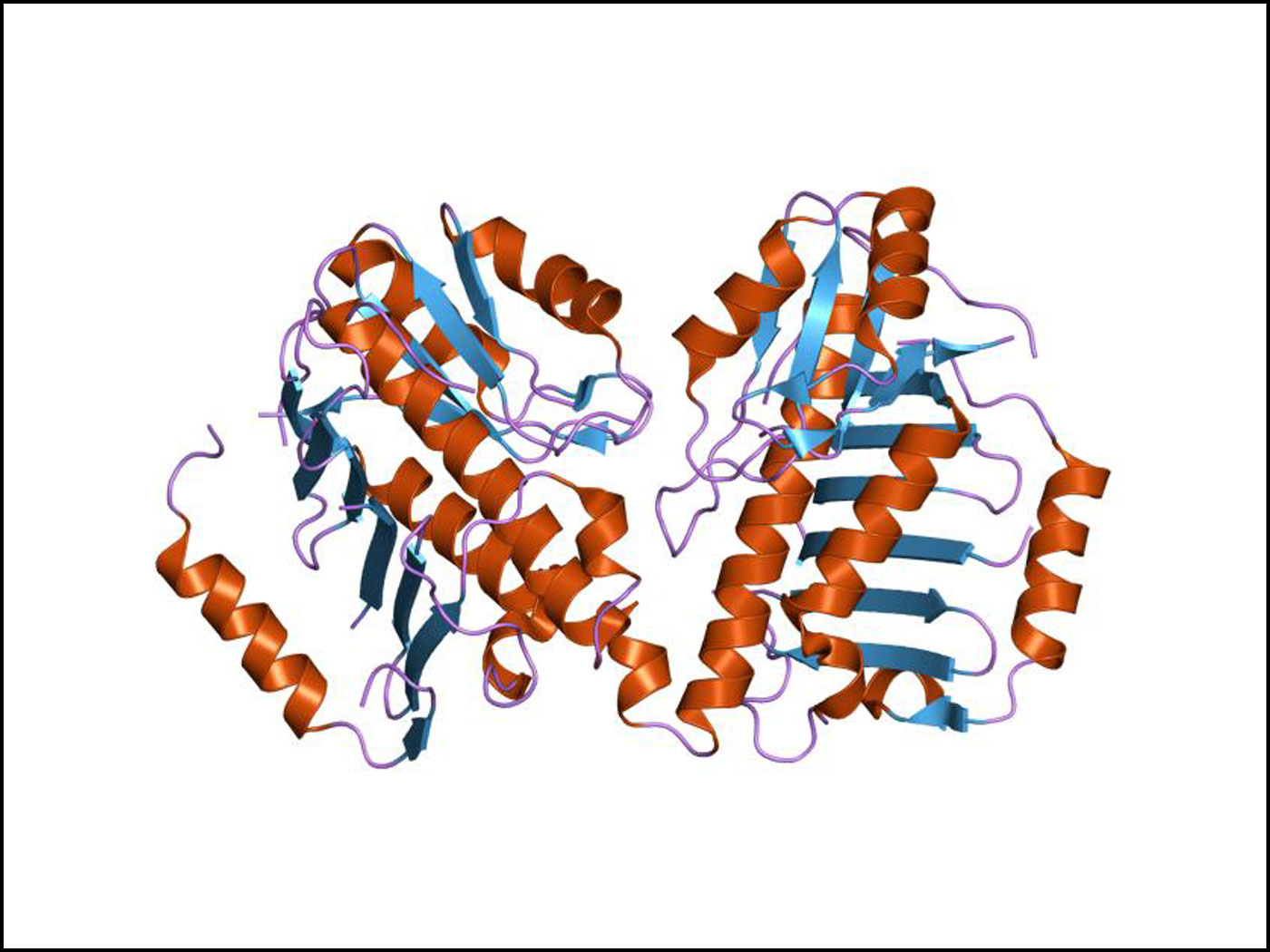
God has designed a number of DNA repair systems and proofreaders (enzymes), each to take on different repair problems. For example, there are enzymes involved with mismatch excision repair (MMR) that recognize wrongly paired bases, and nucleotide excision repair (NER), which is a universal "cut and patch" repair mechanism. NER operates to remove the mistake — called a lesion — and fill in the gap with new DNA. One may liken this to a dentist drilling out decay and replacing the hole with a filling (the "filling" in DNA repair is a functional nucleotide). There are also tiny molecular motors (see "Origins Issues," Acts & Facts, April 2004) called helicases (e.g., DnaB helicase and other multimeric motors) that literally unwind DNA from the normal double-stranded state into two single strands. Helicases accomplish this by rapidly breaking hydrogen bonds between the nucleotides (the "ladder rungs" portion of the molecule) in a manner somewhat like the way inchworms move. Other specially designed enzymes must immediately keep the two single strands apart once they are separated. From there, efficient repair of the DNA continues. Occasionally this amazing repair mechanism fails — as all of our systems eventually do — and a permanent alteration or change in that portion of the DNA results. This is called a mutation. Of course, mutations in critical areas can be deadly to an organism.
Here's the point. DNA repair systems work hard to repair changes that daily occur in the billions of nucleotide bases that make up plants, people, and animals. But evolution depends on these very changes (mutations) that supposedly lead to new structures and functions. This will be the subject in a later edition of "Origins Issues."
Cite this article: Sherwin, F. 2004. Mending Mistakes…The Amazing Ability of Repair. Acts & Facts. 33 (6).