



The world is alive with beetles!
A 2022 study by 17 biologists states, “Beetles constitute the most biodiverse animal order with over 380 000 described species and possibly several million more yet unnamed.”1
Why are there so many types of beetles? They form a large part of the world's biodiversity critical for decomposition (e.g. forests) and feed on problem insects such as caterpillars and aphids. Dung beetles fertilize the soil and increase soil aeration by making tunnels and thus improve the productivity of the land. Of course, many species devastate crops and some borers transmit fungal spores in live trees (e.g. Scotytus), decimating forests.
Where did they come from? While there is a “rich fossil record of beetles,”1 we observe no record of insects evolving into beetles. The oldest known beetle fossil was found in Germany2 and, not surprisingly, is 100% beetle. When it comes to the actual origin of beetles, the researchers stated their “molecular clock analyses suggest a Carboniferous origin of Coleoptera [beetles] and a Palaeozoic origin of all four beetle suborders.”1 Furthermore, “a Carboniferous origin of Coleoptera implies a 55–134 Ma long ‘beetle gap’ in the fossil record.”1 In other words, beetles show up complete and fully-formed in the fossil record as well-designed 3 beetles.
Some fossilized beetles have been found retaining their structural color (organic compounds) providing compelling evidence of the youth of the fossil.4
So, the fossil record shows the sudden appearance of beetles with no record of beetle ancestors, while some fossils have their original carbon-based colors.
References
1. Cai, C. et al. 2022. Integrated phylogenomics and fossil data illuminate the evolution of beetles. Royal Society Open Science. 9: 211771.
2. Kirejtshuk, G. et al. 2014. Evolution of the elytral venation and structural adaptations in the oldest Palaeozoic beetles. Journal of Systematic Palaeontology. 12 (5): 575–600.
3. Sherwin, F. Beetle mouth-gears shout design. Creation Science Update. Posted on ICR.org March 12, 2019.
4. McNamara, M. et al. 2011. The original colours of fossil beetles. Proceedings of the Royal Society B: Biological Sciences. 279 (1731): 1114–1121. See also: Sherwin, F. 2020. Amber Insect Fossils Still Glow. Acts & Facts. 49 (9).
*Dr. Sherwin is Research Scientist at the Institute for Creation Research. He earned an M.A. in zoology from the University of Northern Colorado and received an Honorary Doctorate of Science from Pensacola Christian College.
No Sign of Beetle Evolution
More Fossils Show Stasis and No Transitional Forms
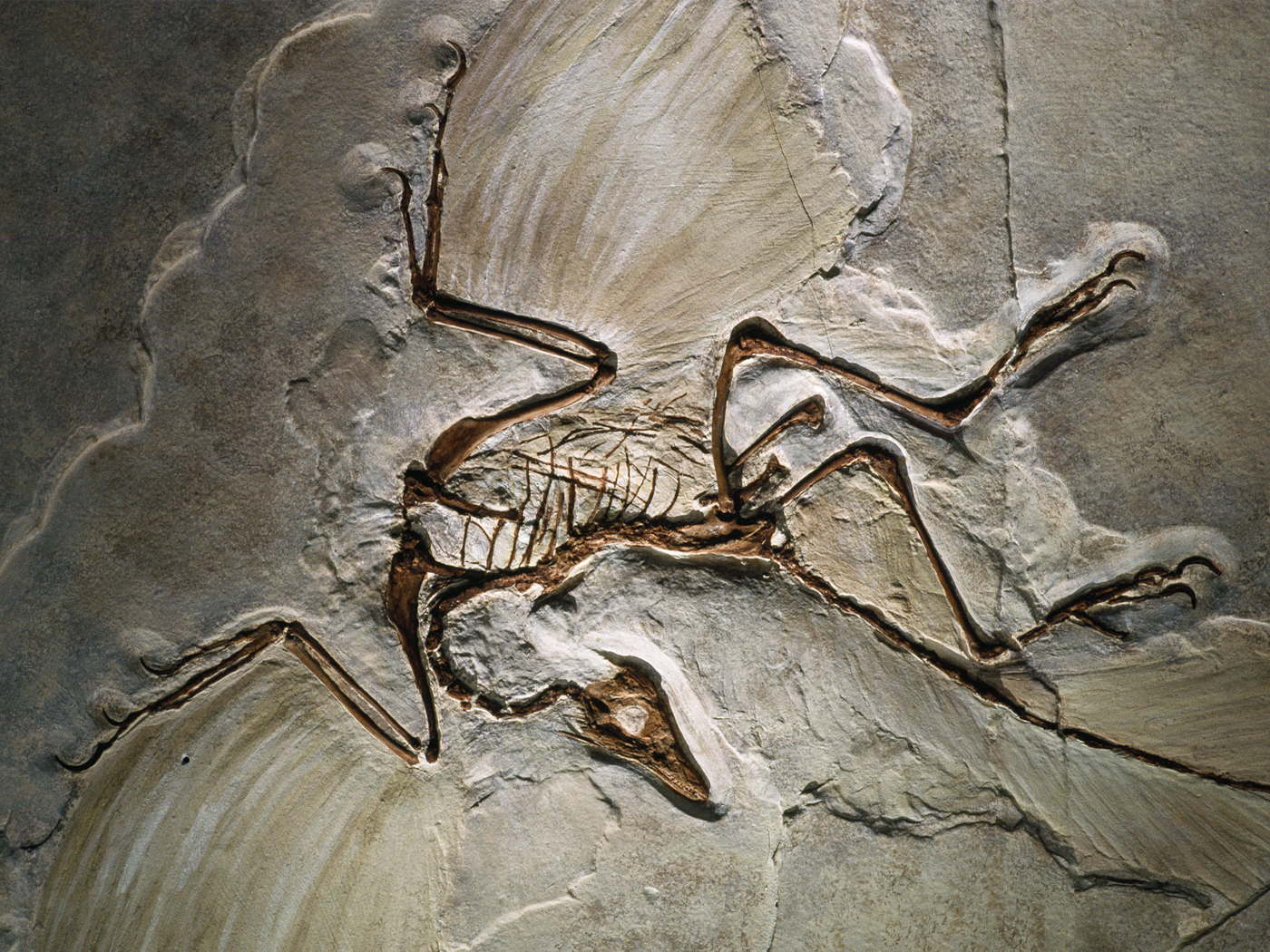
Bone, Skin, Claw Lasted…150 Million Years?
Experts and educators have long assumed Archaeopteryx represents a transition from theropod dinosaurs to modern birds. All of this speculation depends...
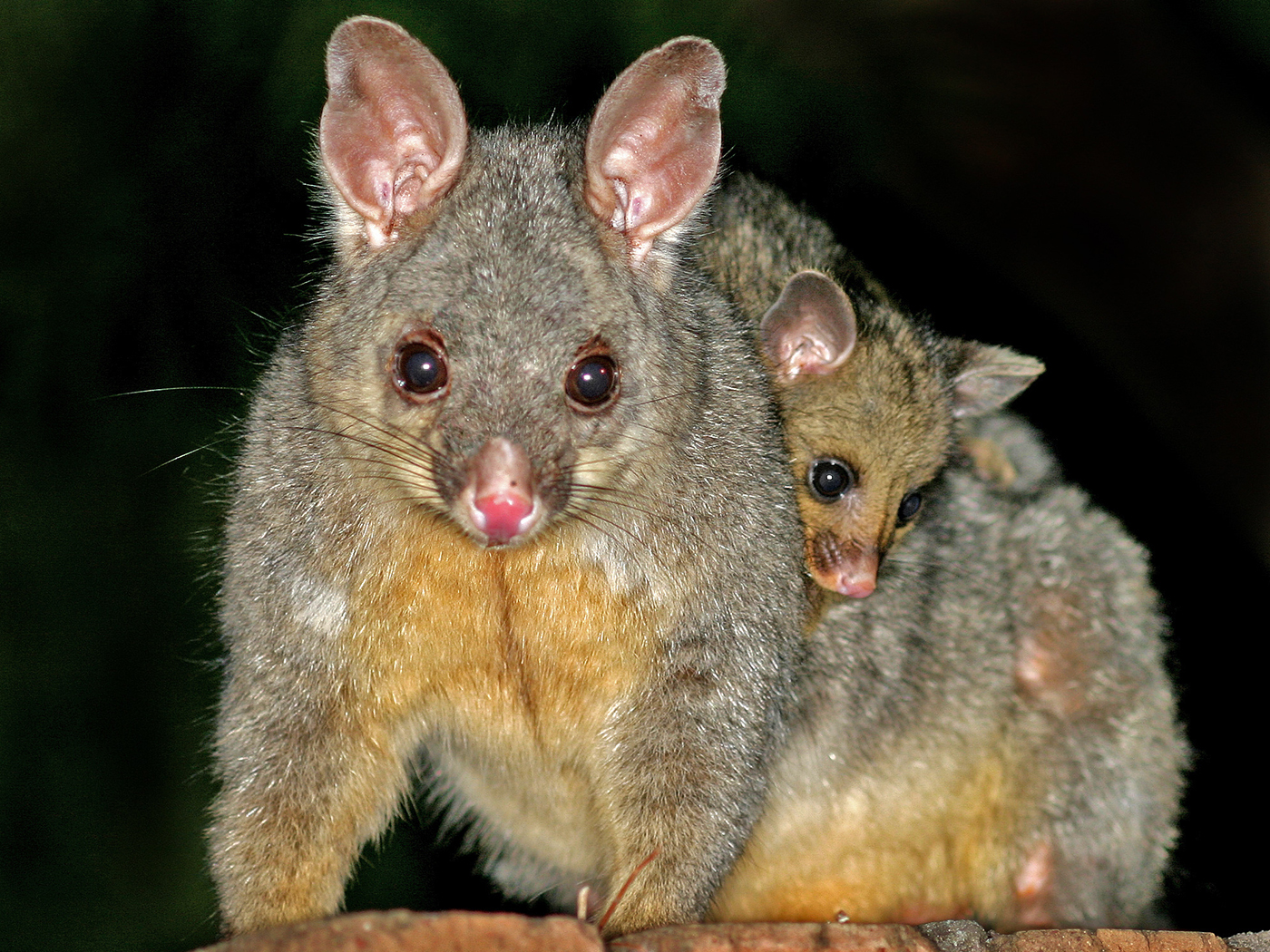
A Big Texas Fossil Possum Is a Primate Ancestor?
Recently, University of Kansas paleontologists discovered a fossil of what they think is a “near-marsupial.”1 It is called Swaindelphys...

Yet Another Revised Age for the Land-Animal Ancestor
An allegedly vital piece of animal evolution was first discovered in 1984 in Scotland. Conventional scientists suggested the fossil of Westlothiana...
More Creation Science Update
Tiny Worms with an Ability to Suspend Life
God has designed some creatures with an amazing ability to stop or slow down their metabolism (life processes) when encountering challenging conditions.
This...
An Amazing Plant Defense
Although plants are not alive in the biblical sense,1 scientists continue to discover just how complex they are.2
It has been...
The Spectral IR Ledge
Life requires many parameters in order to survive and thrive. The more data that are uncovered, the more evidence there is that Earth and its environs...
The Latest
Stolen Chloroplasts Steal the Show
Amazing tiny chloroplasts found within equally incredible plant cells continue to reveal the detailed workmanship of the Creator who created plants...

May 2026 Wallpaper
"that you may walk worthy of the Lord, fully pleasing Him, being fruitful in every good work and increasing in the knowledge of God." (Colossians...
Reptile Evolution Ideas Are Challenged—Again
A small fossil reptile with strange and intricate skin outgrowths has been discovered that is forcing evolutionists to once again reexamine their understanding...
Creation Kids: Stegosaurus
Hi, kids! We created a special Acts & Facts just for you! Have fun doing the activities while learning about the wonderful world God...

Adaptive Trait Variation Conferred by Engineered Genetic Diversity
Global environments are highly diverse and dynamic, offering many changes and adaptive challenges to creatures. However, DNA sequence variability engineered...
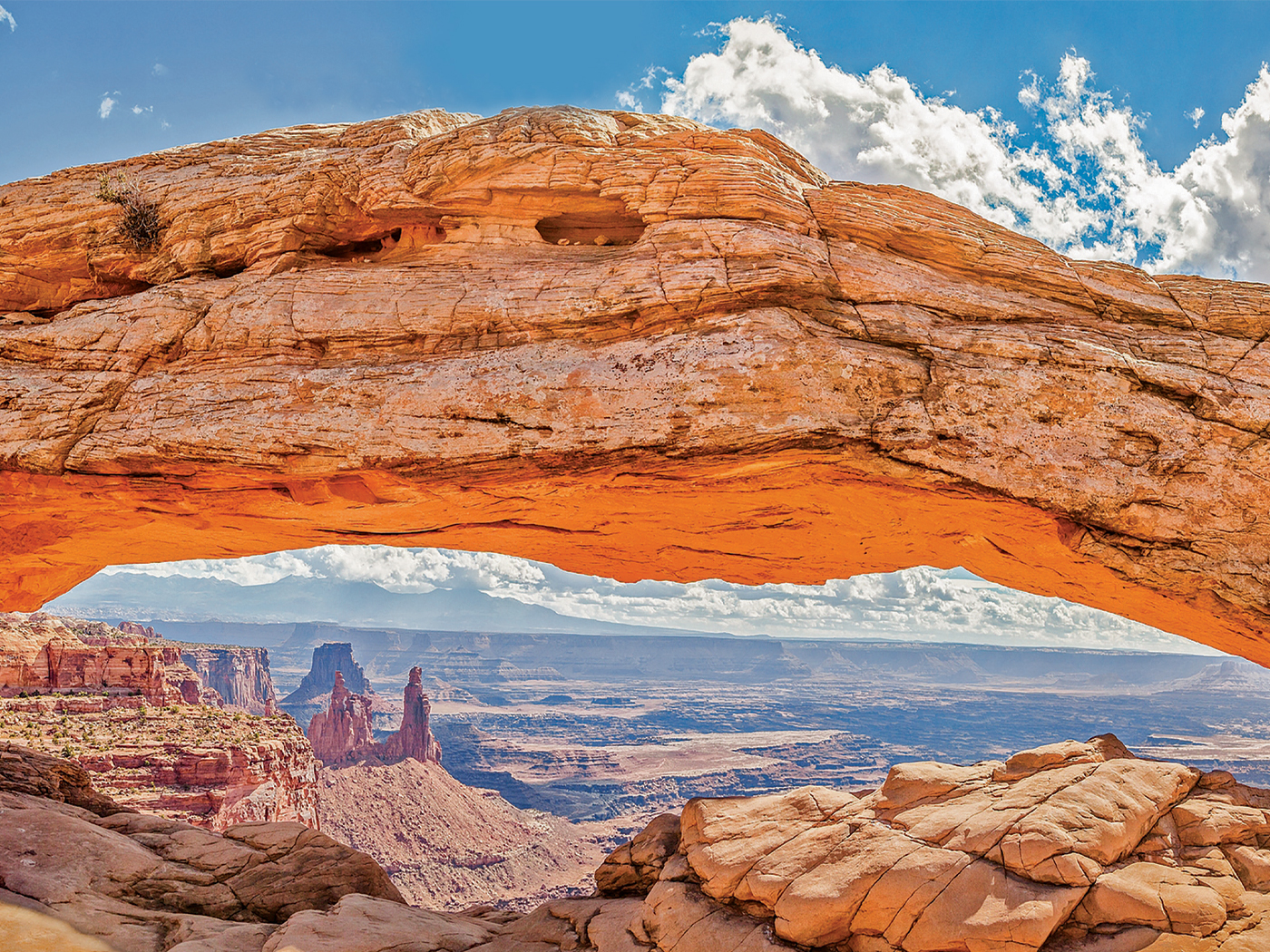
Canyonlands National Park: A Bird's-Eye View
Certain overlooks at Canyonlands National Park in eastern Utah make you wish you could soar overhead to see and explore more crannies and canyons. Visitors...

Criticizing a Perfectly Engineered Eye: Evolutionists Humiliate...
Updated and modified from Guliuzza, R. J. 2016. Major Evolutionary Blunders: Evolutionists Can’t See Eye Design. Acts & Facts. 45 (10): 16–18.
Robert...
Casting Out Doubts: The Fruits of ICR Research
Do you remember the first time that you read about Uzzah and the Ark of the Covenant (2 Samuel 6)? I read it as a young person and remember feeling...
Seeing Eye-to-Eye
Like all biological structures, explaining the vertebrate eye—or any eye for that matter—is a challenge to neo-Darwinism (modern synthesis)....
APOLOGETICS
Essential Training: A New Series
I teamed up with friends from ICR and Eric Hovind of Creation Today for some campus outreach at two Dallas-area universities just a couple months ago....
Shop Related Products
The New Ocean Book
$16.99
$