The First Day of the Week | The Institute for Creation Research

The First Day of the Week

“And upon the first day of the week, when the disciples came together to break bread, Paul preached unto them, ready to depart on the morrow; and continued his speech until midnight.” (Acts 20:7)

Given the fact that everything about God’s Word was specifically inspired by its Author, it is appropriate that this important phrase, “the first day of the week,” occurs exactly eight times in the Bible. The first six of these (Matthew 28:1; Mark 16:2, 9; Luke 24:1; John 20:1, 19) all stress the fact that it was on this day that the greatest event in history (since the creation) had taken place. The creation of the universe had taken place on the first day of the week, and now its Creator had conquered sin and death itself on that day. In the Bible, of course, the number “seven” represents completeness, so “eight” represents a new beginning—a new creation, a resurrection.

The last two references tell us just how the early Christians remembered this day. Our text verse tells us this was a day on which the disciples assembled together, had a preaching service, and then “broke bread.” This was not a special assembly called just for Paul, for he had already been waiting there six days (see previous verse). This was about 25 years after the resurrection itself, and the Jewish believers were evidently still observing the seventh day as a rest day, but then they also observed the first day of the week as the time to commemorate the Lord’s death in “breaking of bread” to celebrate His resurrection, and especially to hear the preaching of His Word. The final reference tells us one other vital thing they did: “Upon the first day of the week let every one of you lay by him in store, as God hath prospered him” (1 Corinthians 16:2). The first day of the week should always be a time of remembering Him in these joyful ways, for He is our living Lord and Savior. HMM

The Latest
NEWS
February 2026 ICR Wallpaper
"Be strong and of good courage, do not fear nor be afraid of them; for the LORD you God, He is the One who goes with you. He will not leave you...

NEWS
Microgravity's Effect on Bacteriophages Is Not Evolution
The word evolution is often used imprecisely, leading the public to believe that any biological change is evolution, and, therefore, it’s a fact.1...

NEWS
Engineered for Extremes: The Hidden Precision of a Salt Lake...
Water that is nearly five times saltier than the ocean is deadly to most animals. But in Utah’s Great Salt Lake, scientists have found a tiny...

CREATION PODCAST
Giant Sequoias: Too Complex to Be Accidental | The Creation Podcast:...
What living thing grows taller than a 25-story building, survives raging wildfires, and actually depends on those fires to reproduce? Giant sequoias...

NEWS
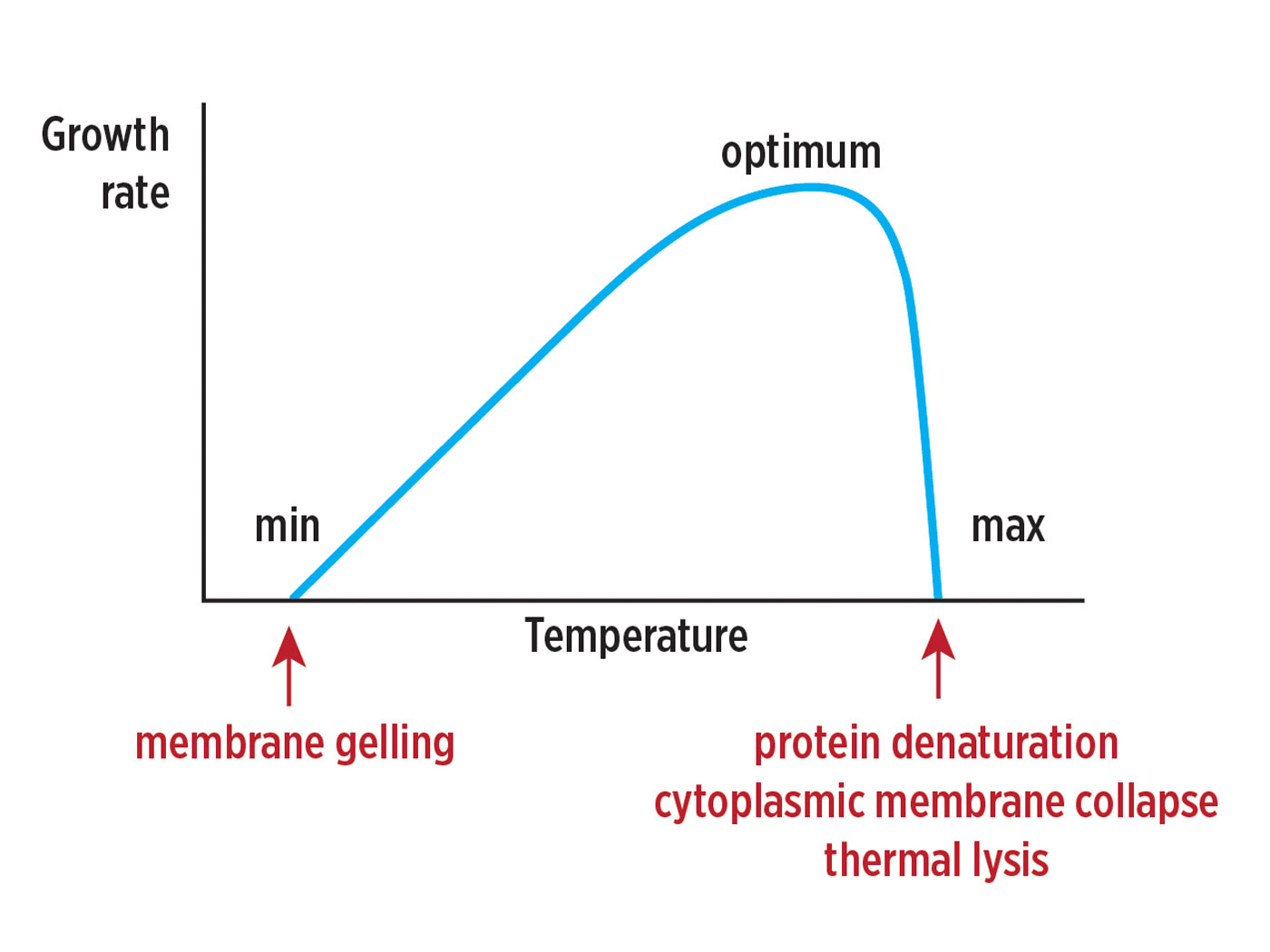
Bound by Design: How a Universal Temperature Law Reveals Life’s...
What if every living creature—from coral reefs and cold-water fish to mountain flowers and desert reptiles—followed the same hidden temperature...

NEWS
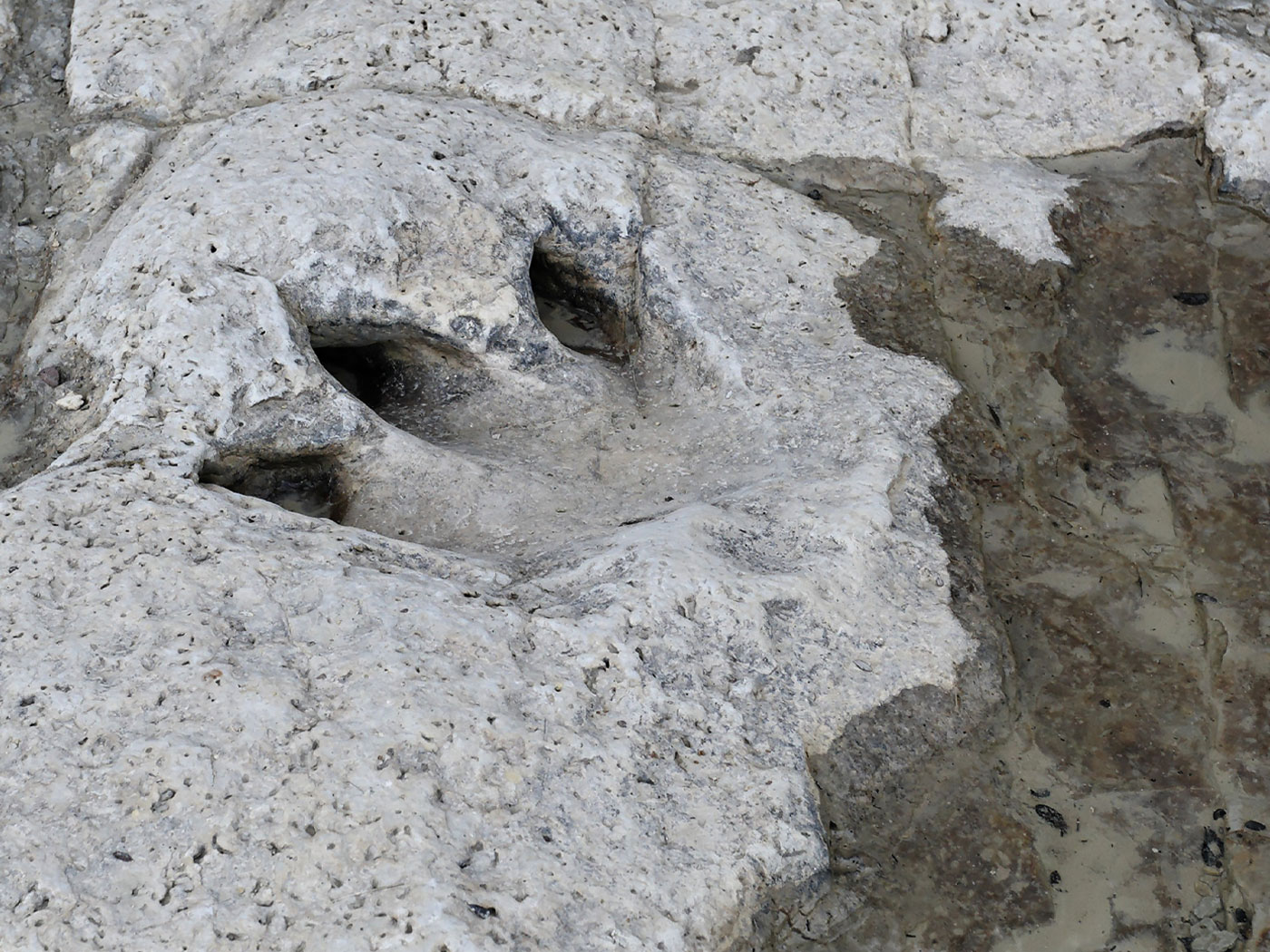
The Flood Explains 18,000 Dinosaur Tracks in Bolivia
A new discovery of 18,000 individual dinosaur tracks in the Bolivian El Molino Formation contains the highest number of theropod dinosaur tracks in...

NEWS
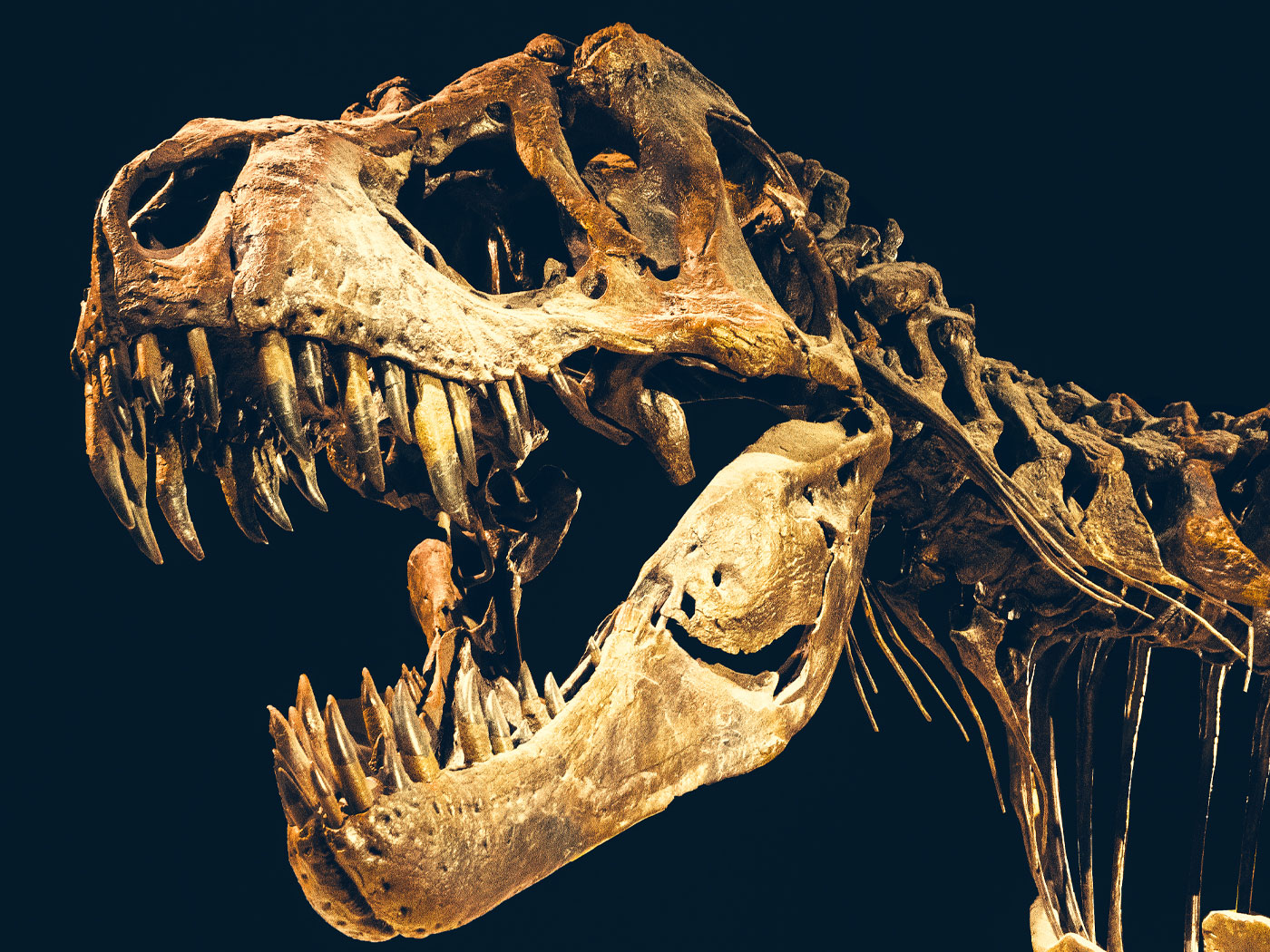
Prolonged 40-Year Growth in T. Rex: Evidence for Pre-Flood Longevity?
An open access 2026 PeerJ research paper claims that T. rex took 40 years to reach its full adult body size, in contrast to a much shorter previous...

NEWS
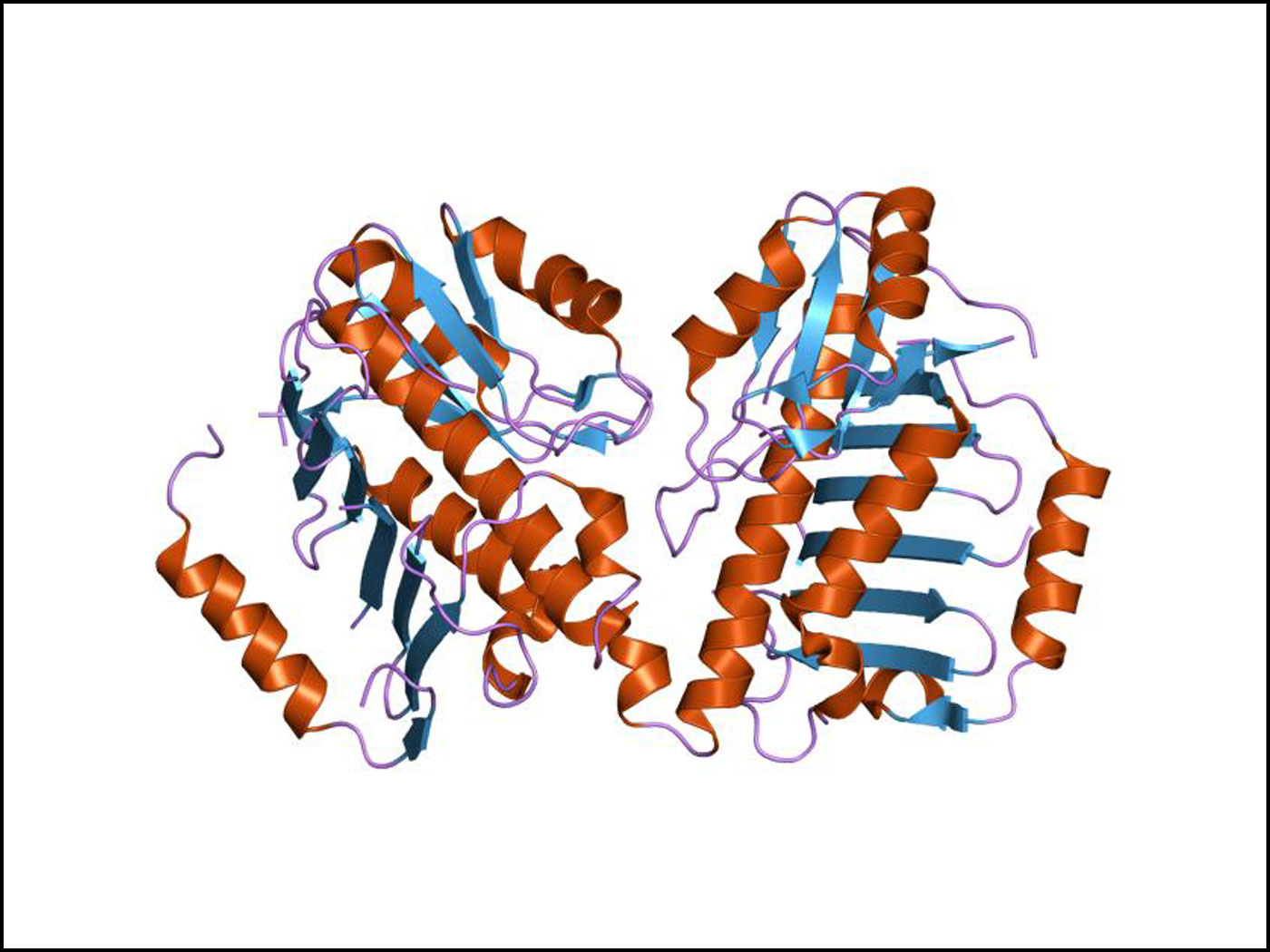
Recent Discovery of a Strange Microbe Gives No Clues to Evolution
Research into God’s living creation is dynamic and always surprising. This is true whether one peers into the deepest reaches of space or dives...

NEWS
Built to Adapt: What Microbial Flexibility Reveals about Biological...
Imagine a machine that keeps working even when its parts change slightly or its surroundings shift. Most human-made machines would fail under that kind...

CREATION PODCAST
Scientists Ignored This DNA Pattern for DECADES! | The Creation...
Almost every living organism has tiny stretches of DNA that repeat over and over again. Scientists call these tandem repeats, and for a long time they...