Explorers in 2008 found a human finger bone in a remote cave in the Altai Mountains of Siberia. At first, the find sparked no great interest. A recent analysis of DNA that was carefully extracted from it, however, has some scientists speculating that it may represent a unique species of Ice Age human.
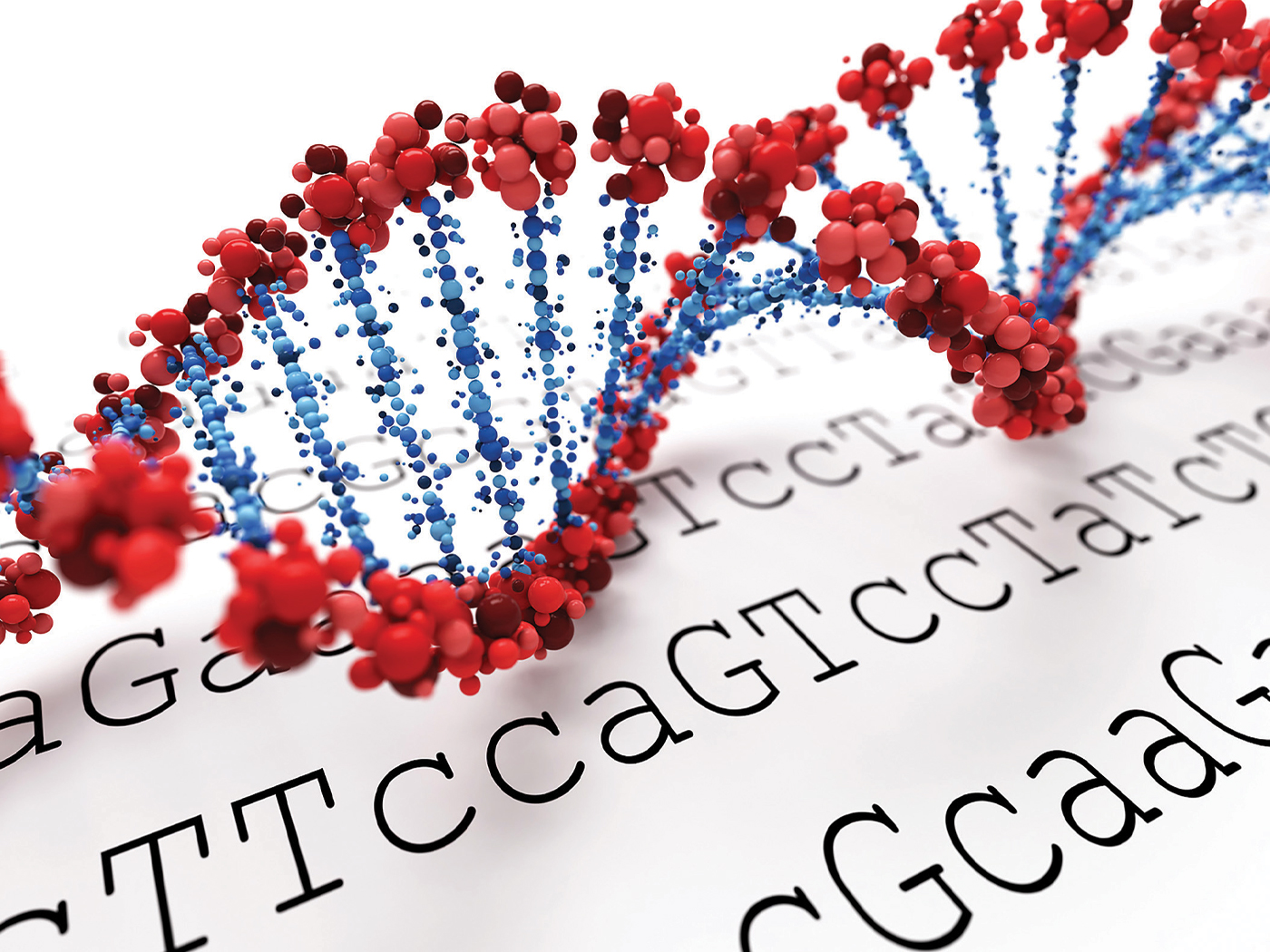
In a study reported online in Nature, researchers were able to sequence mitochondrial DNA (mtDNA) from the finger.1 This type of DNA is widely used in forensic analysis instead of the much longer nuclear chromosomes because of its stability, longevity, availability, and ease of processing. After comparing the sequence with those of 54 modern people and six Neandertals, the researchers found that “although a Neanderthal mtDNA genome differs from that of Homo sapiens at 202 nucleotide positions on average, the Denisova Cave sample differed at an average of 385 positions.”2
Among evolutionists, Neandertals are considered either a separate human species or a subspecies. They lived alongside and interbred with anatomically modern man until relatively recently. Variously designated human “branches”—like Homo heidelbergensis, Homo erectus, Homo antecessor, Homo floresiensis (the “hobbit” from the Philippines), and others—lived contemporaneously. They are sometimes recognized as separate species, but such identifications have been based on circumstantial evidence interpreted through evolutionary lenses.3
Although there were enough mtDNA base differences to have tempted some scientists to grant this Siberian sample a new species name, the study’s authors shied away from doing so. Eric Delson of City University of New York, who did not participate in the study, told the Associated Press, “The finger bone recovered from the Siberian species is not enough for a fossil-to-fossil comparison with other ancient species to show whether it’s a new species.”4 And Nature News reported, “Only probes of the nuclear DNA will properly define the position of the Siberian relative in the human family tree.”2
The “species” listed above—whose descriptions are based not on what just one bone fragment can tell, but in some cases on complete skeletons and far more genetic data—have suffered continuous controversy over their actual relatedness to modern man. The “proper positions” on the human evolutionary tree for even these generally accepted groups are notoriously elusive. Thus, even with more significant forensic data on the ancient human inhabitants of this Siberian cave, their “proper” identification or relationships would also most likely remain perpetually ambiguous.
Contributing to the quandary is the question of just how reliable ancient DNA is. Molecular biologist Daniel Criswell compared Neandertal mtDNA sequences with DNA decay studies. He found that many of the DNA base differences appear to be artifacts of DNA damage over time.5 If the DNA differences largely occurred after the death of an ancient human, then they do not provide incontrovertible information about that person’s DNA when he or she was alive. Without accurate estimates of which base changes were from the original and which bases were changed by postmortem decay, ancient DNA is not reliable.
The observation of DNA damage due to decay over time calls into question an important aspect of this Siberian study. The remains from Denisova Cave were dated as 48,000 to 30,000 years old. But kinetic studies in laboratories have repeatedly measured DNA decay rates. Based on this data, after only 10,000 years no DNA fragments that are long enough to even be identified with a species should exist!6
Perhaps the Siberian finger fragment came from a variety of mankind that is now no longer represented among current human populations. The finger may even have belonged to an anatomically modern person, with many or most of its 385 base differences resulting from spontaneous chemical decay after death. More research may help answer that question, but the finger bone is definitely not 40,000 years old, and it cannot currently be accurately described as being a separate “species” of human.
References
- Krause, J. et al. The complete mitochondrial DNA genome of an unknown hominin from southern Siberia. Nature. Published online March 24, 2010.
- Dalton, R. Fossil finger points to new human species. Nature News. Posted on nature.com March 24, 2010, accessed March 25, 2010.
- Within a biblical framework of interpretation, these “species” represent extinct varieties of mankind that were especially expressed when people diversified, multiplied, and rapidly filled new post-Flood environments across the globe. See Phillips, D. 2000. Neanderthals Are Still Human! Acts & Facts. 29 (5).
- Ritter, M. New ancestor? Scientists ponder DNA from Siberia. Associated Press, March 24, 2010.
- Criswell, D. 2009. Neandertal DNA and Modern Humans. Creation Research Society Quarterly. 45 (4): 246-254.
- For example, see Willerslev, E. and A. Cooper. 2005. Ancient DNA. Proceedings of the Royal Society B. 272 (1558): 3-16. The decay results apply to DNA in temperate climates, and the Altai Mountains of southern Siberia are in the middle of a temperate zone, as this map indicates.
* Mr. Thomas is Science Writer at the Institute for Creation Research.
Article posted on April 5, 2010.