Many people are fascinated with dinosaur discoveries—a new fossil, a new species, and the impressive size. But whenever we read a news article, a scientific paper, or even a textbook describing these dino finds, we must be guided by the all-important question: what are the facts and how should the facts be interpreted?
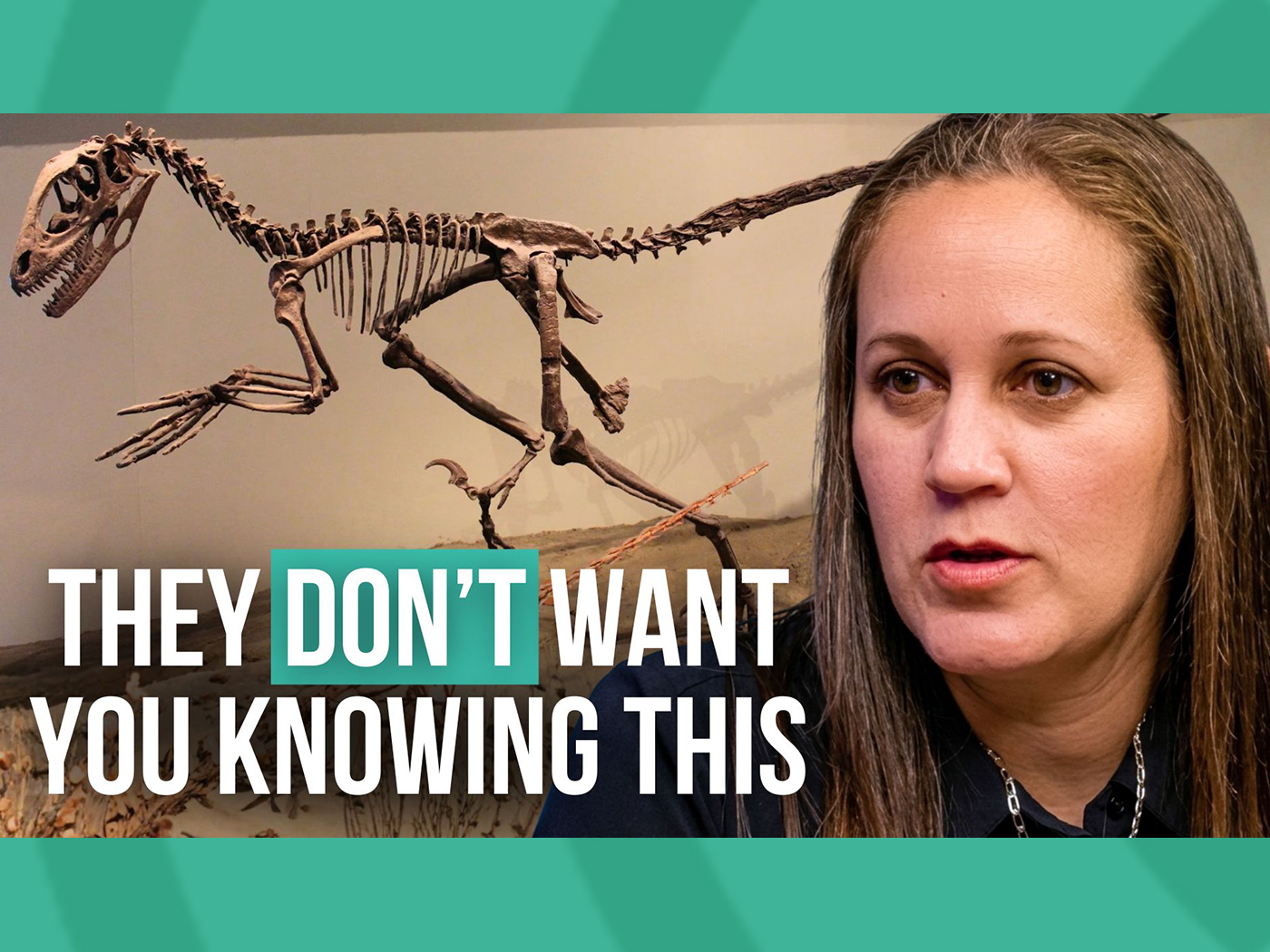
Recently, scientists announced what they describe as a new species of Spinosaurus, naming it Spinosaurus mirabilis.1 Some context for this discovery is that Spinosaurus is often portrayed as one of the largest predatory dinosaurs, estimated at 46 to 59 feet long and weighing around eight tons. The skull alone has been reconstructed at nearly six feet long. The original specimen—discovered in 1912 and published in 1915—was destroyed during World War II, so the descriptions of these impressive figures rely on fossil material from subsequent finds that have been interpreted as belonging to Spinosaurus. As a result, features, measurements, and even species names and distinctions remain topics of ongoing debate.
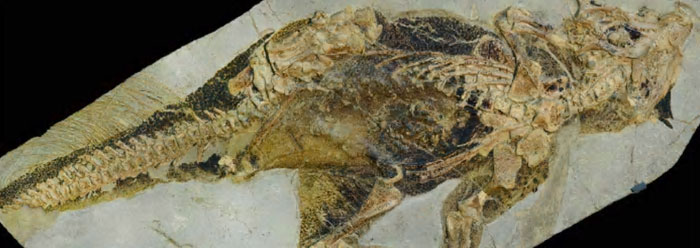
Spinosaurus discoveries, like many dinosaur fossils, consist largely of fragments and partial remains. This does not suggest a peaceful burial in a quiet environment over long ages, which is how conventional scientists would interpret these facts. Instead, we see evidence consistent with rapid, catastrophic deposition—exactly what we would expect from a global, watery judgment such as Noah’s Flood.
Even conventional news reports include statements that unintentionally point toward this reality: “a Spinosaurus dinosaur with a tall, blade-like crest on its head and a large sail on its back lived in what is now Niger.”2
Notice the assumption and interpretation of the facts in that sentence. The statement that it “lived in what is now Niger” assumes the fossil was buried in its original habitat.2 But does this conclusion agree with the fossil itself, or is it shaped by a worldview?
We all interpret evidence through our beliefs about the past. That framework is called a worldview. It is inescapable. In paleontology, there are two approaches to interpreting fossil locations. The conventional view assumes that the organism died and was slowly and gradually buried over time in the same place it had lived. The biblical young-earth perspective, however, understands most fossils are the result of rapid burial during Noah’s Flood. In that framework, where a fossil is found is not necessarily where the animal lived. It only shows where it was buried.
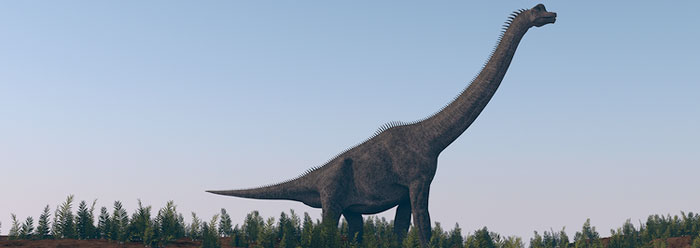
Another detail reported in the discovery is that Spinosaurus was found “buried next to two long-necked sauropods.”2 Sauropods are generally interpreted by conventional scientists as terrestrial, inland animals, while Spinosaurus is thought to be semiaquatic, living near rivers and coastal regions. However, the report says the Spinosaurus remains were discovered “hundreds of miles from the shoreline.”2 How do two large inland sauropods end up buried together with a Spinosaurus dinosaur, then?
From a creationist perspective, this is not surprising. A massive, global catastrophe involving tremendous water movement would transport organisms from different environments and bury them together. In fact, the widespread mixing of terrestrial and aquatic organisms across continents is repeatedly observed globally in the fossil record.3 Creatures are buried in sedimentary layers on every continent, and this pattern aligns well with the biblical account of a worldwide flood.
When we read dinosaur news, the crucial question is: what worldview do we use? When we evaluate the data within the framework of Scripture, it fits naturally within God’s revealed history. Once again, the rocks strongly affirm the truth of His Word.
References
- Sereno, P. C. et al. 2026. Scimitar-Crested Spinosaurus Species from the Sahara Caps Stepwise Spinosaurid Radiation. Science. 391 (6787).
- Hughes-Castleberry, K. 95 Million-Year-Old Spinosaurus Had a Scimitar-Shaped Head Crest and Waded Through the Sahara’s Rivers Like a ‘Hell Heron.’ Live Science. Posted on livescience.com February 19, 2026, accessed February 25, 2026.
- Clarey, T. 2015. Dinosaurs in Marine Sediments: A Worldwide Phenomenon. Acts & Facts. 44 (6): 16.
* Dr. Gabriela Haynes is a research associate for the Institute for Creation Research. She earned her doctorate in geology and paleontology from the Federal University of Ceará (Brazil) in conjunction with the University of Kentucky.