“Then from that day forth they took counsel together for to put him to death.” (John 11:53)
The Jewish leaders sought to kill Jesus after He raised Lazarus from the dead. Why? They knew Lazarus’ resurrection was a well-established fact. And the profound miracle took place in Bethany, a village near Jerusalem, with crowds watching.
Rather than recognizing this sign that Jesus was the Messiah and inspiring belief in Him, these leaders viewed the miracle as a threat to their authority. They feared Jesus’ popularity could lead to the loss of their positions and social standing. But more than that, their hearts were not open to the Word of God standing right in front of them in human flesh (John 1:14). Their hearts were hard and remained so. This made them blind to the very Messiah they were awaiting!
We also see this in the Old Testament. When Moses demanded that Pharaoh free the Israelites, Pharaoh continued to harden his heart. Even after he saw miracle after miracle, and even as the 10 plagues directly challenged the Egyptian gods, Pharaoh refused to concede (Exodus 9:12, 10:27).
Rather than forcing their hearts to believe, God allowed the Jewish leaders and Pharaoh to willfully harden their own hearts against the great miracles they witnessed.
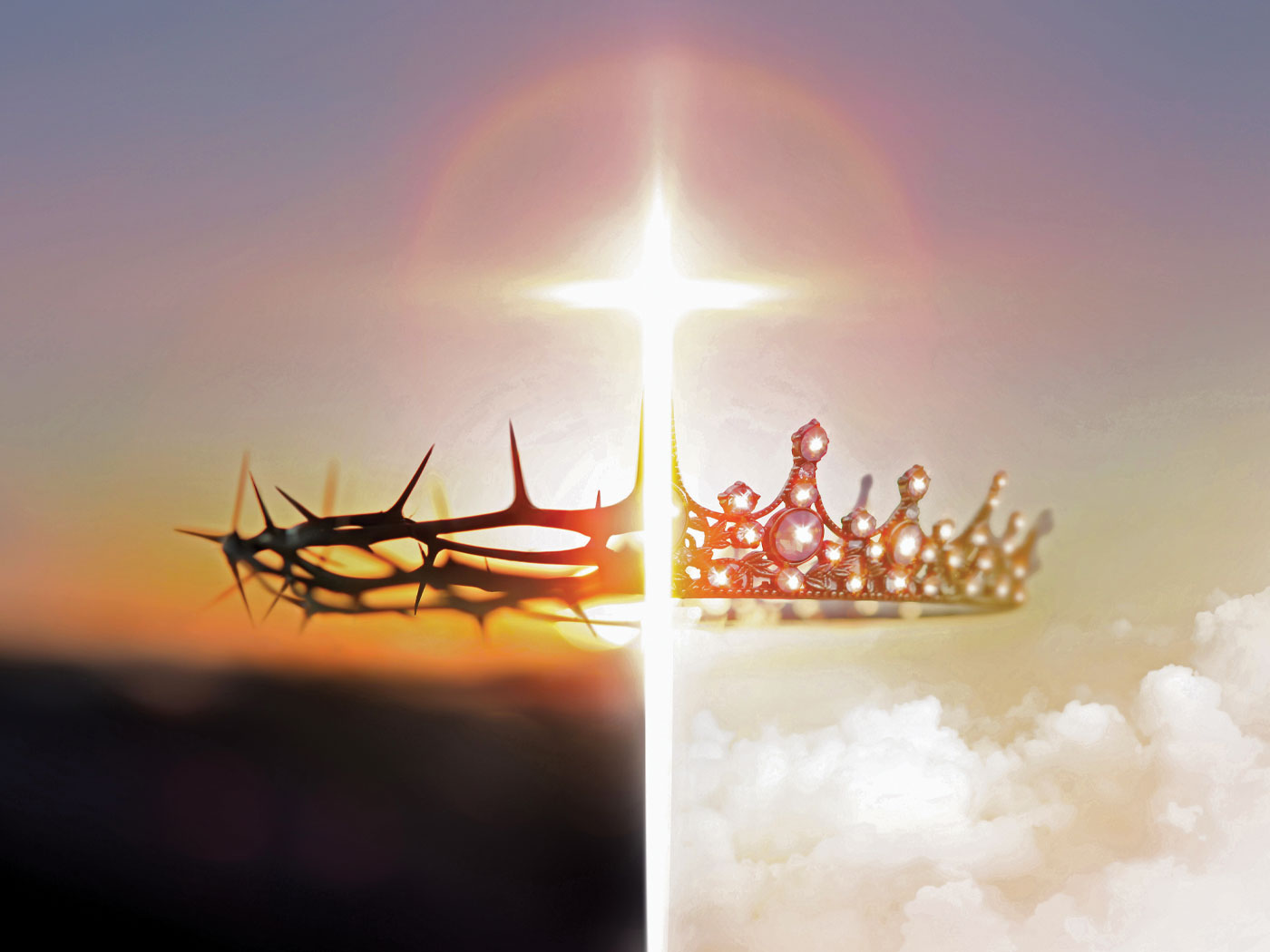
But to the softened heart, Jesus’ identity was undeniable, being clearly revealed by the seven signs described in the gospel of John. The seventh sign was the raising of Lazarus. It foreshadowed the greatest miracle of all: Jesus’ defeat of death and sin on the cross and His resurrection Easter morning! “I am the resurrection and the life.” (John 11:25).
Jesus performed these signs to reveal to the Israelites the power of Yahweh, the great I Am. And the signs revealed who Jesus was—the Son of God in their midst! May our hearts be ready to recognize and praise Him for what He has done. MJS
Days of Praise Podcast is a podcast based on the Institute for Creation Research quarterly print devotional, Days of Praise. Start your day with devotional readings written by Dr. Henry Morris, Dr. Henry Morris III, Dr. John Morris, and others to strengthen and encourage you in your Christian faith.