“For in six days the LORD [Yahweh] made the heavens and the earth.” Exodus 20:11
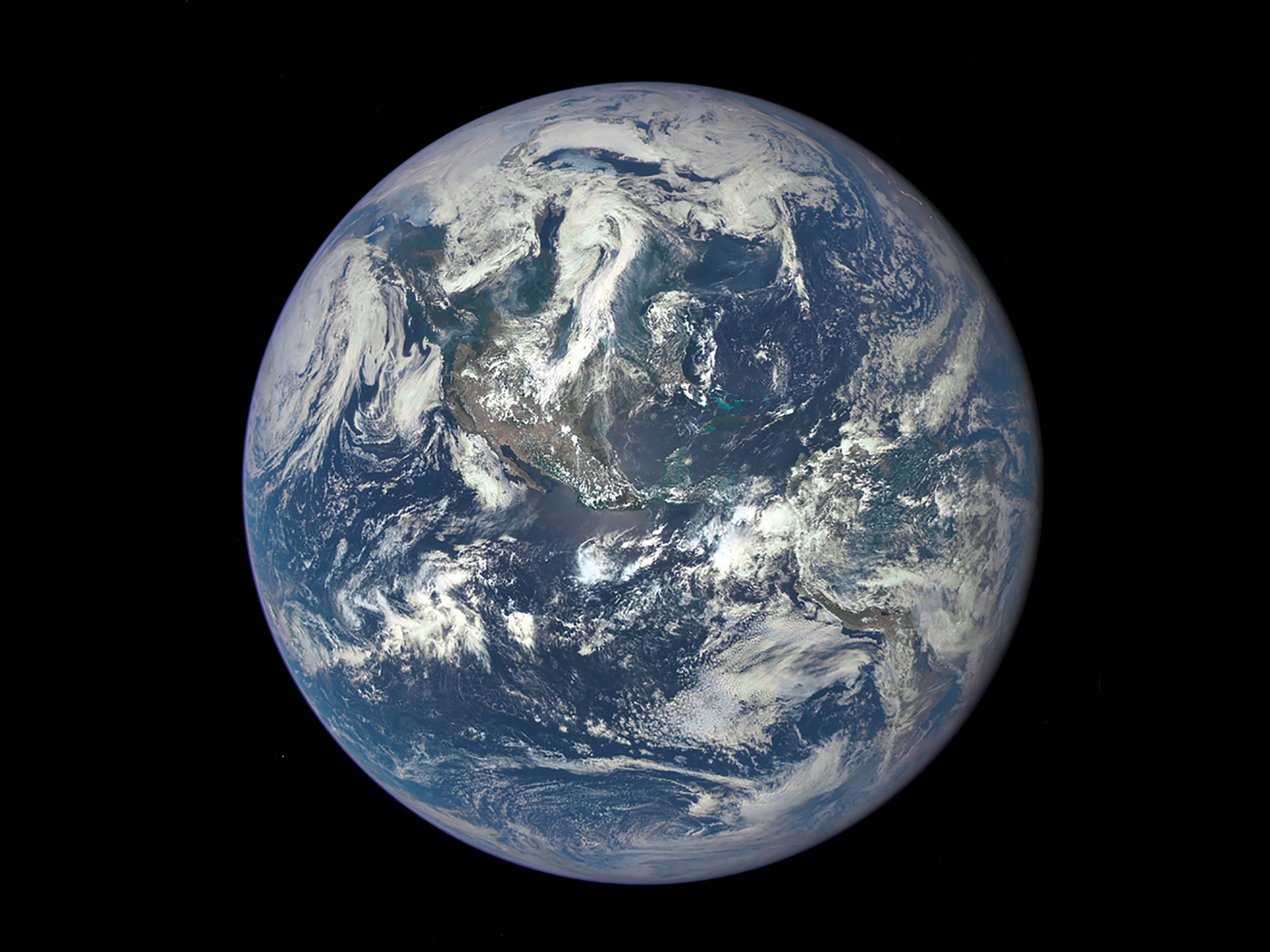
We are clearly told in Genesis 1 that God created the cosmos in a very short sequence of time over six 24-hour days.1 There are multiple reasons to affirm this truth found in the Bible. The Hebrew text throughout the book of Genesis (including chapters 1–3) is grammatically arranged using a verbal construct called a waw consecutive that defines the genre of literal historical narrative. Additionally, each individual day of the creation week is systematically defined by its evening (‘ereb) and morning (boqer) and by each day’s number. These characteristics always define literal days throughout the Bible.
If this weren’t plain enough, the six-day creation is affirmed twice in Exodus: “For in six days the LORD [Yahweh] made the heavens and the earth” (20:11; 31:17). Furthermore, we are told in these verses and in Genesis 2:2 that God rested on the seventh day. Hebrews 4:4 cites this again in the New Testament. This is where we get our seven-day calendar week—the only demarcation of time not built on a solar or lunar cycle.
In contrast to the Scriptures, naturalists propose that the universe somehow exploded into existence and then self-assembled through random processes into galaxies, solar systems, stars, planets, and Earth’s complex array of biological life. Supposedly, all this took place over billions of years—the magic of deep time that makes it all seem plausible. However, this is purely naturalistic speculation and widely debunked by sound empirical science, as copiously noted by ministries like ICR. Thus, the obvious nature of the Judeo-Christian God as Creator and the attendant obligation on mankind to worship and serve Him is soberly affirmed in Scripture (Romans 1:20) as well as recognized in creation itself.
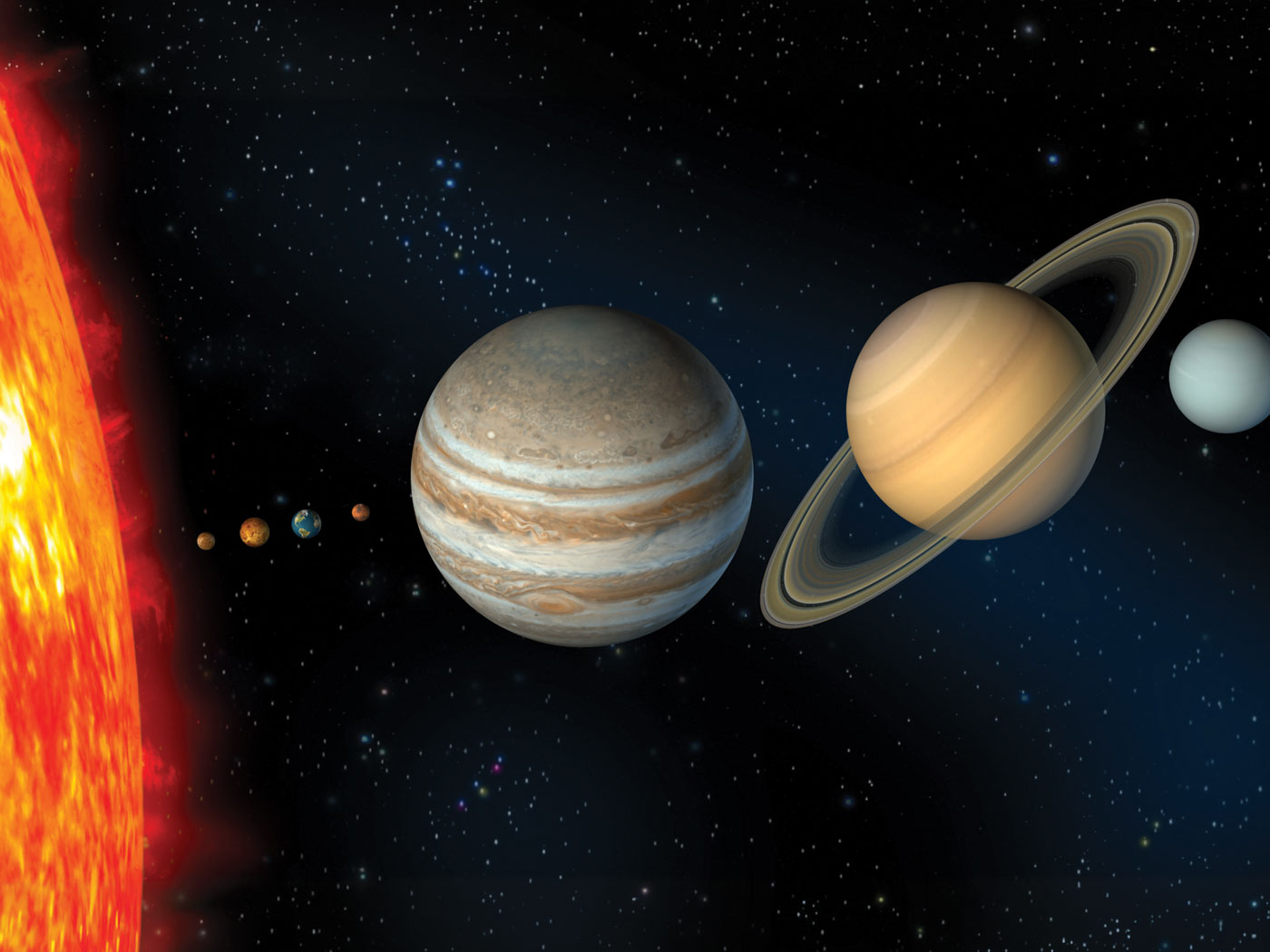
Now, why the stepwise sequence of creative events over the short course of six days? It’s best to take an engineering-based approach to considering this, for no one can logically deny that our solar system, the earth, and all its living creatures function as a massively complex interconnected system of subsystems. In the present age of human ingenuity, complex systems—whether they are cars, washing machines, or computers—must be engineered and assembled with a high level of foresight and intelligence all at once in a short sequence of time for them to work and serve their purpose. A partially assembled car or computer is worthless as an end product.
But is it reasonable to compare human engineering with God’s creation?2–4 In Psalm 115:4–8, God rebukes the Israelites for engineering idols with nonfunctional mouths, eyes, ears, and noses. While the overriding lesson in this passage is that we shouldn’t worship anything, including “the work of men’s hands,” above the living God, there’s more to glean. Humans are unique in their ability to purposefully craft and engineer elaborate things. This is one aspect of humans being created in God’s image (Genesis 1:27). In Psalm 115:4–8, the Lord uses this fundamental and inherently understood principle to highlight idolatry in a contrastive scenario—low-level human engineering versus God’s all-powerful engineering. So yes, it is reasonable to compare the workmanship of man to that of God.
Based on this principle of system engineering and construction, the creation week entails the sequential creation of elaborate interconnected systems over a short period of time by the omnipotent Creator God, the Lord Jesus Christ. We can immediately appreciate this due to our own built-in perception of how things are sequentially constructed.
References
- This article is adapted in part from a previous article: Tomkins, J. P. 2022. The Creation Week: A Systems-Based Approach. Acts & Facts. 51 (1): 18.
- Guliuzza, R. J. 2010. Discovering Life’s Complex Patterns of Design. Acts & Facts. 39 (7): 10–11.
- Guliuzza, R. J. 2017. Engineering Principles Point to God’s Workmanship. Acts & Facts. 46 (6): 16–19.
- Guliuzza, R. J. 2017. Engineering Principles Should Guide Biological Research. Acts & Facts. 46 (7): 17–19.
Dr. Tomkins is a research scientist at the Institute for Creation Research and earned his Ph.D. in genetics from Clemson University.