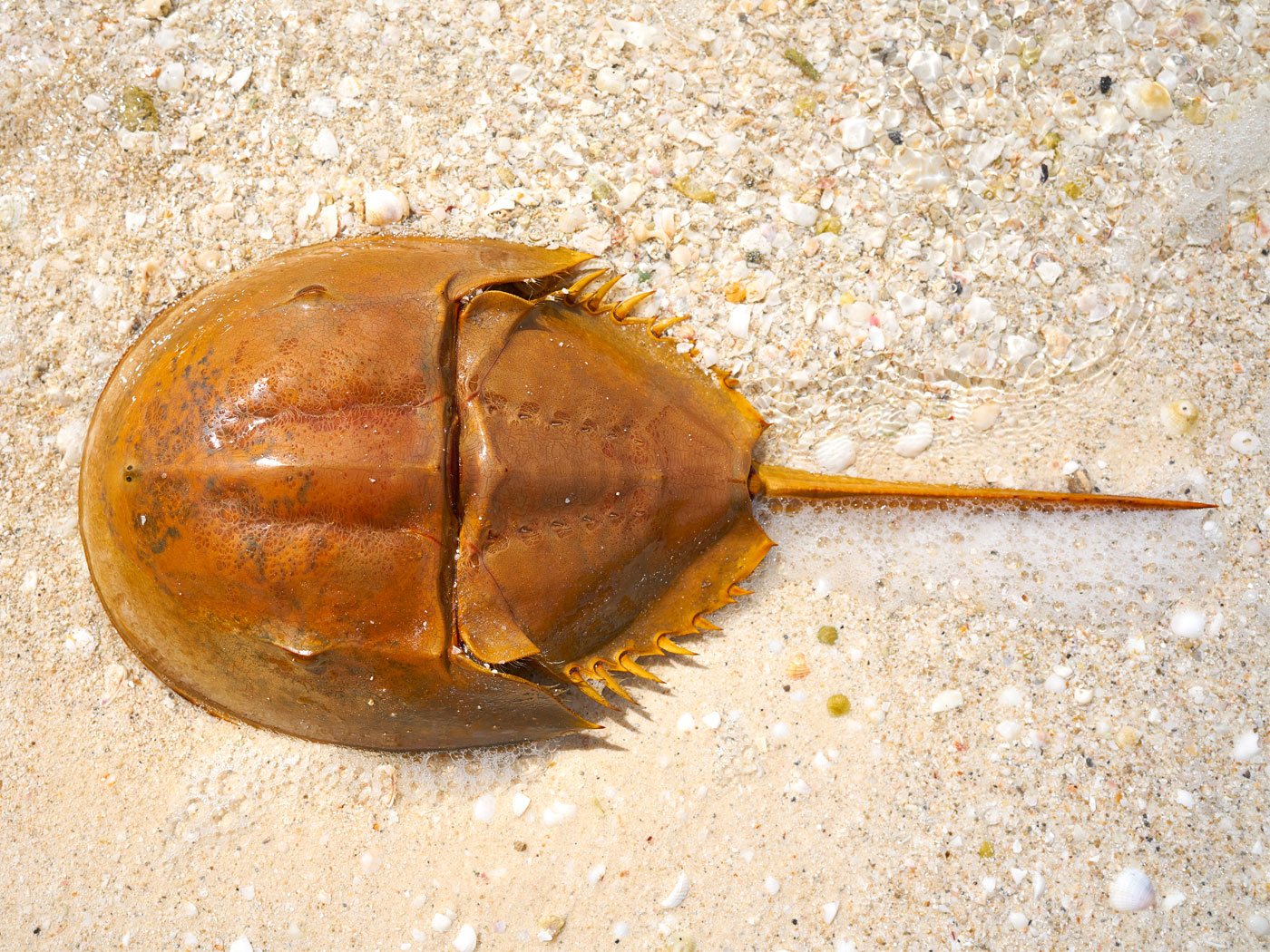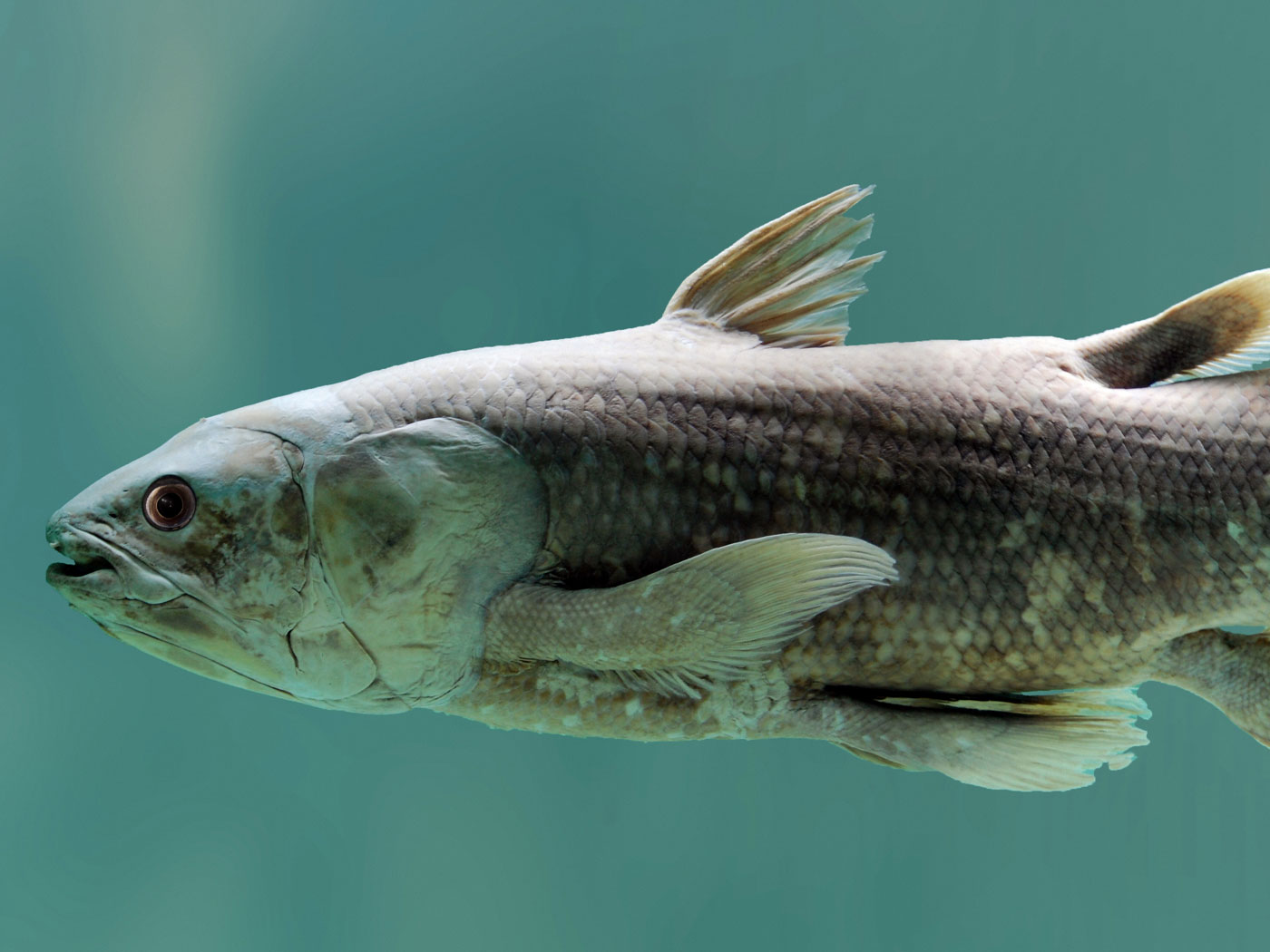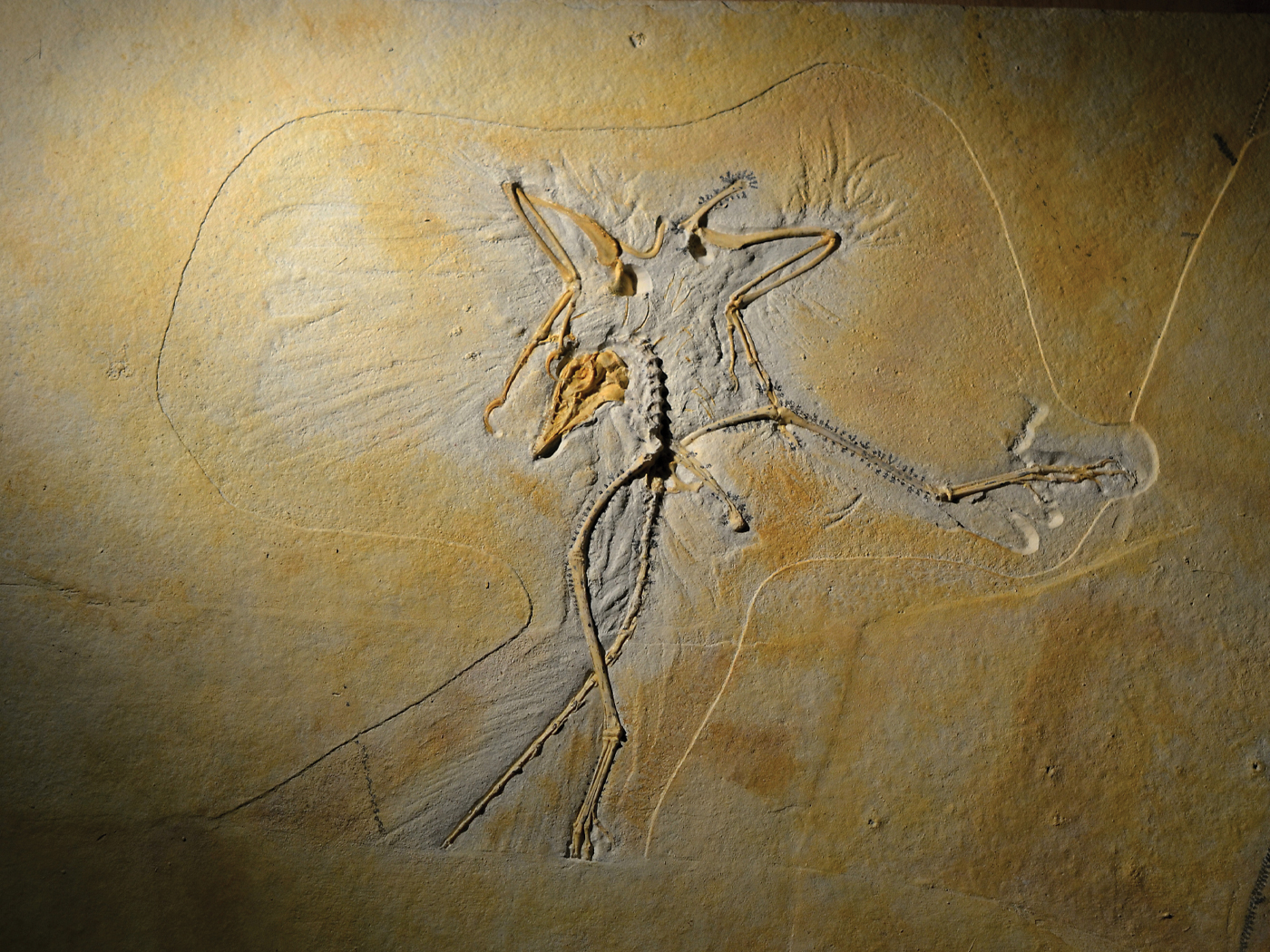
Apparently, evolution (and natural selection) can do almost anything:
If new forms appear, the credit goes to creative natural selection; if old forms fail to change, the conservative force is called stabilizing selection; and if some species survived mass extinctions while others perished, it is because the survivors were more resistant to extinction.1
So for those who believe it, evolution explains everything.2 Even the lack of evolution is supposedly proof of evolution!3
Recently, scientists at the University of California, Riverside, suggested evolution has a rewind button—that somehow evolution circles back to reacquire traits an organism once had and then supposedly lost. In other words, evolution can go backwards.4 And why not? After all, they think it can do anything. According to Bernstein of Phys.org,
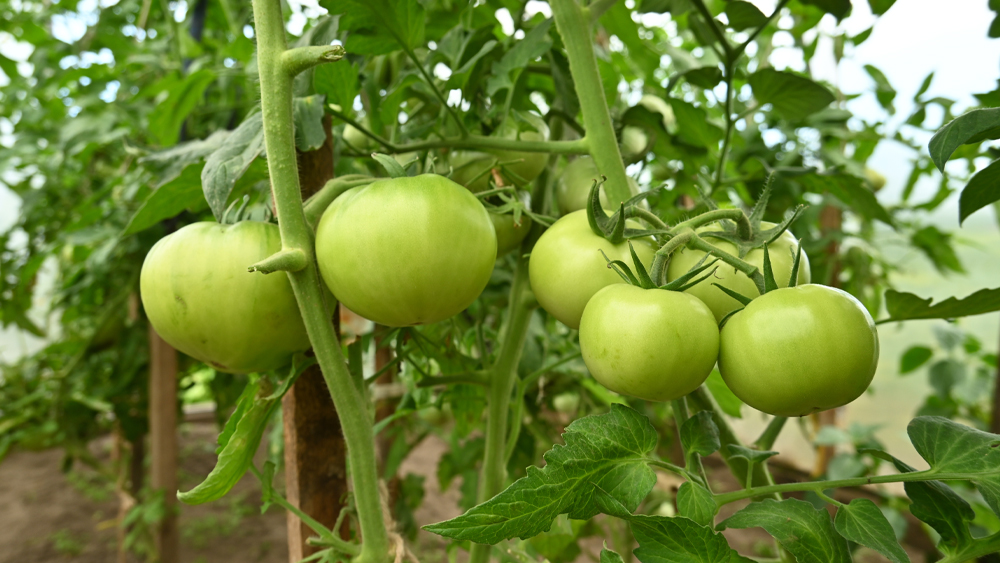
On the younger, black-rock islands of the Galápagos archipelago, wild-growing tomatoes are doing something peculiar. They’re shedding millions of years of evolution, reverting to a more primitive genetic state that resurrects ancient chemical defenses’5
On what basis do they say that the plants are reverting to a more “primitive” genetic state or that these chemical defenses are “ancient”? They work just fine in the twenty-first century.
The chemical defenses in this case are molecules called alkaloids: a large class of organic compounds found primarily in the nightshade family that includes eggplants and tomatoes. The “ancient” alkaloids are a natural and bitter plant pesticide that dissuades grazing animals and insect predators. Popular examples of alkaloids are nicotine and morphine.
In this study, various samples of wild tomatoes (genus Solanum) were taken from the Galápagos Islands. It was found that plants on the eastern islands produce alkaloids—specifically steroidal glycoalkaloids (SGAs)—that are different than those on western islands.
That difference comes down to stereochemistry, or how atoms are arranged in three-dimensional space. Two molecules can contain exactly the same atoms but behave entirely differently depending on how those atoms are arranged.
To figure out how the tomatoes made the switch, the researchers examined the enzymes that assemble these alkaloid molecules. They discovered that changing just four amino acids in a single enzyme was enough to flip the molecule’s structure from modern to ancestral.5
Creationists would say these are not modern or ancestral (which suggests evolution) molecule structures; rather, they are simply two types of enzymes ensconced within the tomato’s genome.
Regardless, researchers writing in Nature stated, “Our findings highlight how GAME8 [GLYCOALKALOID METABOLISM 8 (GAME8) cytochrome P450 hydroxylases] evolution has shaped alkaloid diversity in the genus Solanum, demonstrating a complex interplay between enzyme function, genetic variation, and evolutionary adaptation.”6 But there was no GAME8 evolution. There has always been genetic variation and alkaloid diversity in the genus Solanum since its creation, allowing the plant to fill various ecological niches (adaptation).
Jozwiak et al. in Nature appeal to gene duplication, stating, “Ancestral GAME8 likely favored 25R, with gene duplications giving rise to 25S-producing enzymes in more recent Solanum species [25S and 25R are tomato and eggplant type isomers].6 But “the whole idea of gene duplication being able to explain gene origins and function is now being actively refuted by empirical data produced by evolutionists themselves.”7
Evolutionists are in a quagmire, observing changes that are “reversing evolution” and thus don’t fit the Darwinian narrative.8
That’s because evolution isn’t supposed to have a rewind button. It’s generally viewed as a one-way march toward adaptation, not a circular path back to traits once lost. While organisms sometimes re-acquire features similar to those of their ancestors, doing so through the exact same genetic pathways is rare and difficult to prove.5
Of course, this evolution story must force the resulting implications for people into the narrative.
And this kind of change might not be limited to plants. If it can happen in tomatoes, it could theoretically happen in other species, too. “I think it could happen to humans,” [Jozwiak] said. “It wouldn’t happen in a year or two, but over time, maybe, if environmental conditions change enough.”5 (Emphasis added)
Jozwiak et al. stated, “This study reveals how enzymatic and evolutionary mechanisms drive the production of isomeric metabolite variants, tailored to function in particular ecological niches.”6
Creationists on the other hand would state there are no evolutionary mechanisms.9 In fact, Jozwiak et al. also stated that “the evolutionary mechanisms driving stereochemical diversity among Solanum species remain poorly understood.”6 Instead of pointing to an evolutionary process, this study reveals how continuous environmental tracking results in “the production of isomeric metabolite variants within the Solanaceae family genome, tailored to function in particular ecological niches.”6
To conclude, the Galápagos tomato plants are simply using chemical defenses that have always been part of the plant’s genome. The “biosynthetic diversity and stereochemical specialization”6 has been part of this amazing and diverse plant family since its creation thousands of years ago.
References
- Johnson, P. 1993. Darwin on Trial. Downers Grove, IL: InterVarsity Press, 90.
- Hebert, J. Is Evolution ’Fake Science’? Creation Science Update. Posted on ICR.org January 18, 2021.
- Tomkins, J. P., T. Clarey, and J. Lisle. 2015. No Evolution Is Proof of Evolution? Acts & Facts. 44 (4): 14.
- Thomas, B. New Theory: Evolution Goes Backward. Creation Science Update. Posted on ICR.org April 30, 2012.
- Tomatoes in the Galápagos Are Quietly De-Evolving. University of California, Riverside. Posted on phys.org June 24, 2025.
- Jozwiak, A. et al. 2025. Enzymatic Twists Evolved Stereo-Divergent Alkaloids in the Solanaceae Family. Nature. 16, article 5341.
- Tomkins, J. 2016. Moonlighting Proteins Befuddle Evolution. Acts & Facts. 44 (9): 16. See also Hargreaves, A. D. et al. 2014. Restriction and Recruitment – Gene Duplication and the Origin and Evolution of Snake Venom Toxins. Genome Biology and Evolution. 6 (8): 2088–2095.
- Thomas, B. Flower ‘Evolves’ in the Wrong Direction. Creation Science Update. Posted on ICR.org February 28, 2011.
- Guliuzza, R. 2010. Natural Selection Is Not ‘Nature’s Design Process.’ Acts & Facts. 39 (4): 10–11.
* Dr. Sherwin is a science news writer at the Institute for Creation Research. He earned an M.A. in invertebrate zoology from the University of Northern Colorado and received an honorary doctorate of science from Pensacola Christian College.