 When you eat eggs—boiled, poached, as omelets, or otherwise—do you discard the eggshells? Likewise, if you eat trout or turkey, do you recycle your fish or fowl bones?
Some birds and mammals eat broken eggshells or snail shells to get nutritionally valuable calcium.1 Birds such as woodpeckers and sandpipers also munch on bones for this fundamental mineral, especially during breeding season.2,3 Getting calcium (from CaCO3, calcium carbonate) is essential, of course, but how do these animals know they need it, especially during the breeding season?
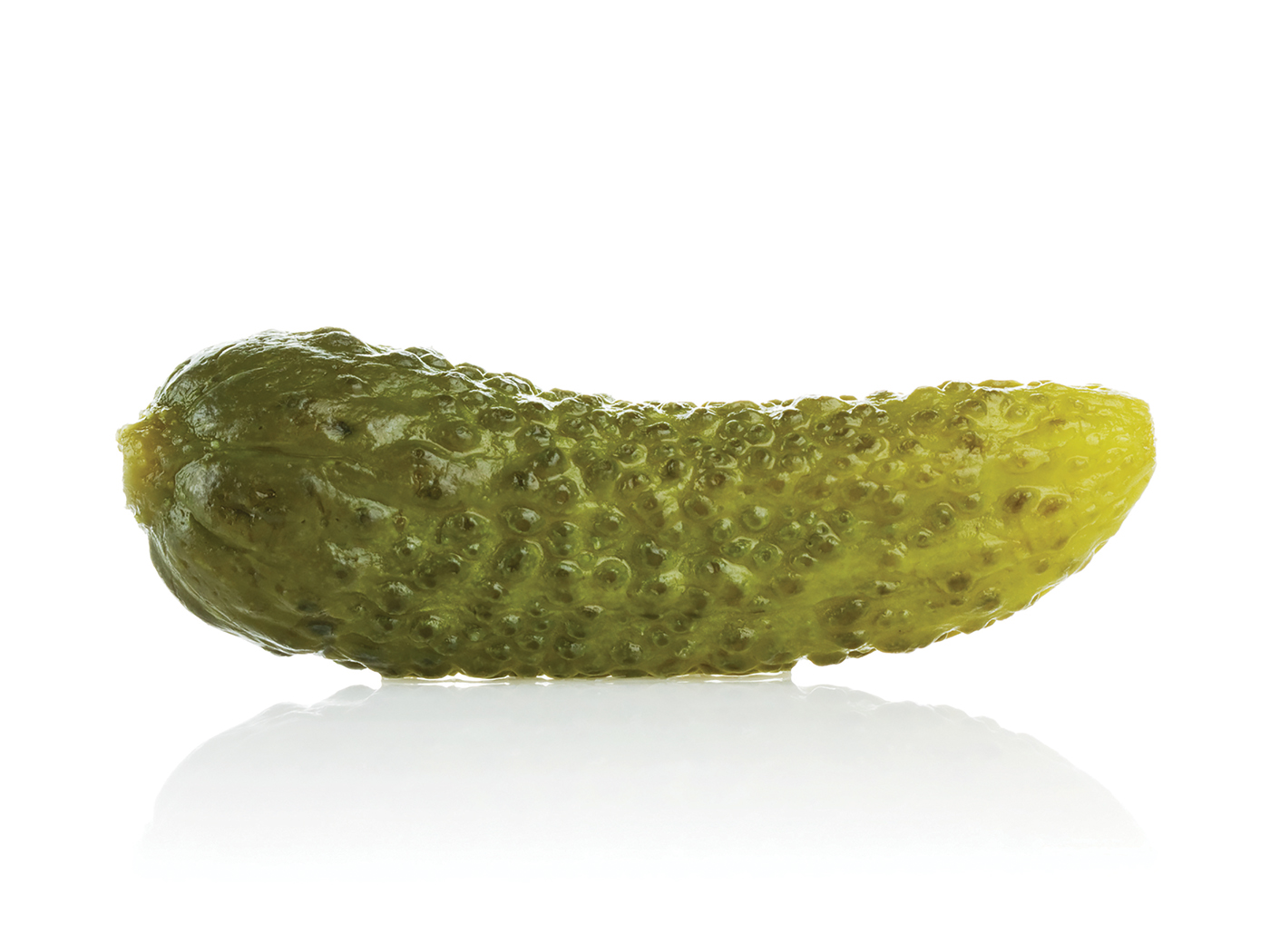
A related question is how do expectant human mothers, who suddenly crave seafood (or pickles, or whatever) know they need a nutritional change while their physiologically transformed wombs busily build babies?4
Actually, calcium nutrition-satisfying behavior makes sense biblically because it helps Christ’s creatures to reproduce successfully; that is, to “be fruitful and multiply” so their kinds can “fill” (populate) Earth’s habitats (Genesis 1:22). Thus, learning how creatures fulfill the Genesis mandate helps us to “cast down” haughty imaginations (2 Corinthians 10:5), such as the imaginations of Darwinists who try to replace Christ with animistic nature-creating-itself mythology masquerading falsely as science (1 Timothy 6:20, KJV).5
Christ commanded birds to reproduce and “fill” environments. He also equipped them with what they need to do so, and we are just now learning many of the intricate details. Successful reproduction requires a harmony of physical traits (biochemically regulated by genetics/epigenetics) and decision-based behaviors that rely upon learning by the nonphysical “soul” of a bird. This balanced blend of physical body systems with nonphysical learned actions is one of the “wonders without number” that we can admire God for as we reverently study how His creatures live (Job 9:10).5
When creatures purposefully search local habitats for needed nutrients—including vital minerals like calcium—they exhibit continuous environmental tracking (CET) as they hunt and select what they need from their territory.6 Thus, Christ equipped animals to actively select what they need from their habitats. It’s not true that habitats “select” or “shape” passive animals.7
So, what can we learn from Christ’s red-cockaded woodpeckers (Picoides borealis)? These remarkable creatures recycle calcium from collected bone fragments, consuming bone flakes just before and while they lay eggs. One study reported:
The females took bone fragments from raptor pellets located on the ground.…Small bone fragments were consumed at the pellets whereas larger pieces were taken to a tree trunk (by flight) where they were pecked and mandibulated.…Pieces of bone were cached by placing them between scales of [tree trunk] bark and then hammering them with the bill until they were wedged. We confirmed that bones were cached by recovering two pieces of bone from trees and by observing birds recover cached bones, handle them and cache them elsewhere.2
Selecting and ingesting bone-pecked calcium is targeted and purposeful—not random—because mother woodpeckers seek and extract calcium from bone fragments during breeding seasons (hiding pieces for later “snacks”), and then mostly ignore those bones when they cease producing eggs.2,5,7 Amazing!
Darwinian trial-and-error luck cannot explain how these wise woodpeckers know to hunt and ingest calcium-rich bone flakes, timed to egg-producing seasons.5,7 However, the Lord Jesus Christ is the mastermind of purposeful timing for all His creation (Ecclesiastes 3:1), including female red-cockaded woodpeckers.
References
- Straus, M. Calcium in Homemade Dog Food. Whole Dog Journal. Posted on whole-dog-journal.com May 28, 2019. See also Beasom, S. L. and O. H. Pattee. 1978. Utilization of Snails by Rio Grande Turkey Hens. Journal of Wildlife Management. 42 (4): 916-919.
- Repasky, R. R., R. J. Blue, and P. D. Doerr. 1991. Laying Red-Cockaded Woodpeckers Cache Bone Fragments. The Condor. 93 (2): 458-461.
- MacLean, Jr., S. F. 1974. Lemming Bones as a Source of Calcium for Arctic Sandpipers (Calidris spp.). Ibis. 116 (4): 552-557.
- You Want to Eat What? An OB/GYN’s Guide to Pregnancy Cravings. Northwestern Medicine. Posted on nm.org, accessed January 19, 2023.
- Johnson, J. J. S. 2017. Clever Creatures: “Wise from Receiving Wisdom.” Acts & Facts. 46 (3): 21, citing Proverbs 30:24-28.
- For more information on continuous environmental tracking, visit ICR.org/cet.
- Guliuzza, R. J. 2021. A New Commitment to Deep Research. Acts & Facts. 50 (9): 4-5.
* Dr. Johnson is Associate Professor of Apologetics and Chief Academic Officer at the Institute for Creation Research.