Transporting water up a tree ten stories high from the roots to the leaves is no easy feat. How is this accomplished? The answer lies in tiny, specially designed vessels called xylem—plus a combination of other factors. Scientists are getting closer to mimicking this amazing vertical passage of water for the purpose of future large-scale desalination and sewage treatment.1,2
Evolutionists give credit to the trees themselves for their amazing process of water transport, saying that the trees have mastered this for “hundreds of millions of years.” But studies have shown just how sophisticated this unbroken vertical column of water is, continuously moving as much as 100 meters in a California redwood tree. Water and minerals enter the root system and into the vascular tissue (i.e., xylem) subject mainly to a “pulling” force called transpiration. Transpiration is the loss of water vapor through specialized openings called stomata on the underside of the leaves. Over 20% of the water taken up by the roots is released to the air as water vapor. This physical pulling action is also due to a unique chemical attachment between water molecules called hydrogen bonding. The water molecules stick together forming a transpiration stream, also called the cohesion-tension theory. This produces an unusually stable column of constantly moving water.
Copying the design in trees’ water-conduction system hasn’t been easy. The antigravity water transport system led by Aiping Liu at Zhejiang Sci-Tech University and Hao Bai at Zhejiang University has been seen as “good,” but “the researchers plan to further improve the performance of the system to prepare for applications” such as improving the length and speed of water conveyance for human serving industrial applications.
Is it any wonder the article stated, “Efficiently moving water upward against gravity is a major feat of human engineering” and “Recreating an efficient tree-like water transport system has been challenging.”
Water transport in plants is amazing in its complexity. Copying the Creator’s design takes funding, planning, and brilliant researchers—not time and chance.
References
1. Zyga, L. Antigravity water transport system inspired by trees. PhysOrg. Posted on phys.org July 8, 2019, accessed July 10, 2019.
2. Xu, W. et el. 2019. Efficient Water Transport and Solar Steam Generation via Radially, Hierarchically Structured Aerogels. ACS Nano. DOI.org/10.1021/acsnano.9b02331
*Mr. Sherwin is Research Associate at the Institute for Creation Research. He earned his master’s degree in zoology from the University of Northern Colorado.
Anti-Gravity Water Transport in Trees
More God's Design Is an Engineering Wonder
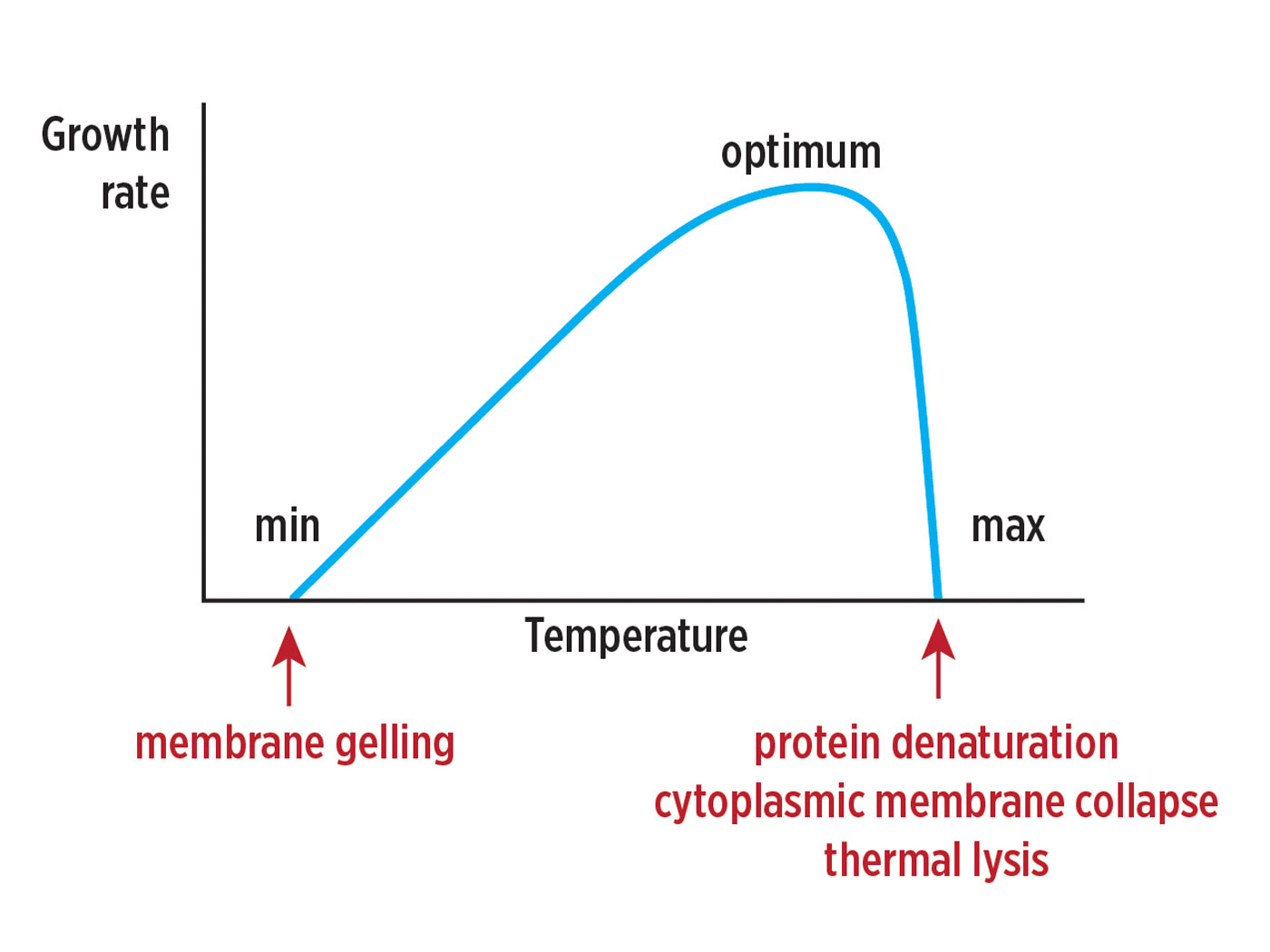
Bound by Design: How a Universal Temperature Law Reveal.,.
What if every living creature—from coral reefs and cold-water fish to mountain flowers and desert reptiles—followed the same hidden temperature...
The Lipstick Vine: Evidence of Designed Adaption
In their desire to validate the questionable case for evolution, conventional biologists will appeal to local adaptation, variation, and ecological...

Holding Fast Through Time: A Fossil Fly's Testimony to .,.
A remarkable fossil find in Australia has scientists buzzing—literally. In the Talbragar Fish Beds of New South Wales, researchers discovered...
More Creation Science Update

December 2025 ICR Wallpaper
"Come now, and let us reason together," Says the LORD, "Though your sins are like scarlet, They shall be as white as snow; Though they...
May 2023 ICR Wallpaper
"For the LORD God is a sun and shield;
The LORD will give grace and glory;
No good thing will he withhold
From those who walk uprightly."
Psalm...
'Prehistoric' Paddlefish?
Evolutionists consider the freshwater paddlefish (Polyodon spathula) of the class Actinopterygii to be a prehistoric creature, a primitive bony fish “50...
The Latest
Hummingbird Hawkmoth Exhibits Astonishing Abilities
The incredible hummingbird hawkmoth (Macroglossum stellatarum), and other insects of the Lepidoptera order, continue to amaze entomologists.1,2...
More Than Just Parts: The Networking of Cells
An engineer can list every part in a system and still miss how it works. Think of a radio. Its parts matter, but so does the wiring that joins them....
Living Centenarian Sturgeon: Extreme Genesis Longevity Is Plausible
Native American oral tradition contains stories of sturgeon living for centuries. While this was largely seen as folklore among conventional scientists,...
Brainy Bees Solve Pollen Problem
The uncanny abilities of the honeybee cause entomologists to shake their heads in wonder.1,2
Scientists have long known that honeybees...

October Wallpaper
"Be anxious for nothing, but in everything by prayer and supplication, with thanksgiving, let your requests be made known to God; and the peace...
Possible Ark Site Has Mainstream Media Hopping
An organization named Noah’s Ark Scans is investigating a site called Durupinar, almost 20 miles from Mount Ararat in Turkey. Could it contain...
ANNOUNCEMENTS
Heroes of Creation Science: Henry M. Morris
“The creation/evolution issue is, in a very real sense, the most fundamental issue of all.” —Henry M. Morris
Many people believe the...

Creation Kids: Fungi
Hi, kids! We created a special Acts & Facts page just for you! Have fun doing the activities while learning about the wonderful world...
APOLOGETICS
What is True and False?
by Patrick C . Marks, D. Min., and Brian Thomas, Ph.D.*
In the first article of this series, we explained that truth—that which matches reality—is...
The Cambrian Layer: Explosion or Burial?
The lowest sedimentary layer, rich in hard-shelled fossils, is known as the Cambrian record. Beneath it is the Precambrian, which contains far fewer...
Shop Related Products
$
The New Ocean Book
$16.99