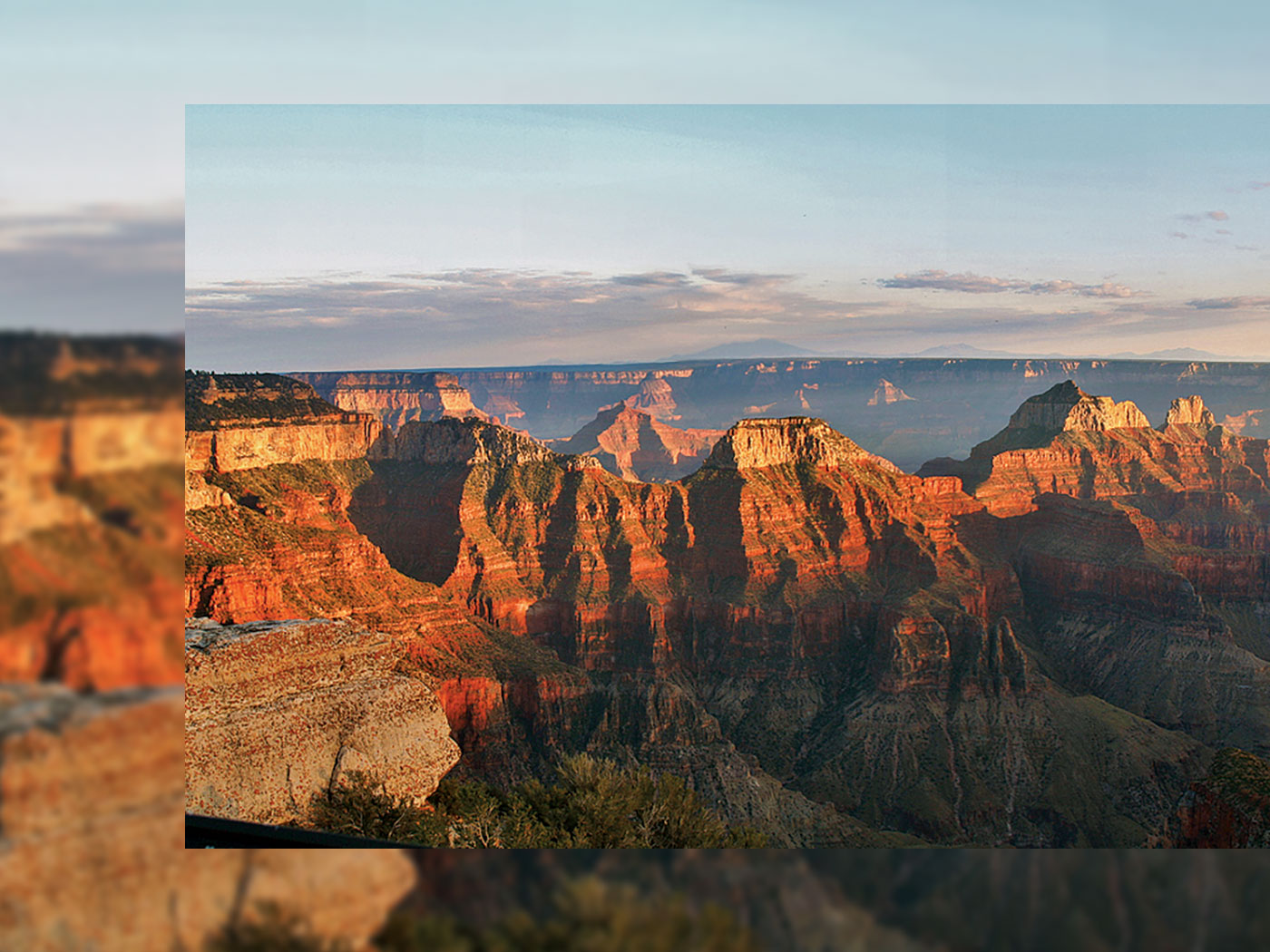
What do you picture when you think of the first primates? Conventional scientists have long proposed warm forests, thick vines, and tropical heat as defining factors for the home of these creatures. A recent study challenges that theory. Researchers now say that some primates may have lived in cold, dry parts of North America instead.1 Although this may change ideas about where primates once lived, it doesn’t show that primates evolved to fit in different environments. Instead, the study demonstrates that primates had built-in ways to live in many kinds of climates.
The researchers used fossil sites, climate estimates, and a proposed primate family tree to form their conclusion.1 Their model placed the supposed ancestor of living primates in an area with cold winters and warm summers. The team also linked fast climate changes with the spread of primates into new regions. A University of Reading report said these changes may have pushed primates into new habitats and helped form new species.2
Still, the model has limits. It cannot directly observe an ancient ancestor, nor can it record a past change from one kind of animal into another. Its results depend on the family tree initially used. Given such variable results, the study does not make a solid case for primate evolution.
There’s a difference between flexibility, as would exist in creatures with built-in abilities to adapt, and invention from scratch, as would be possible if evolution occurred. Animals often adapt to changes in heat, cold, food, and rainfall. Biological flexibility like this may include alterations in size, fur, diet, behavior, or seasonal activity. These adaptations help animals survive in new settings. Yet they still remain the same basic kind of animal and are not changed into new, different kinds.
This is where biological limits matter. Some traits can vary, but core body plans stay stable. A primate may move into a colder area and change its diet or activity, but it does not stop being a primate. This pattern shows outward flexibility while organs, body plans, and growth systems remain stable.3
The study supports a narrow claim: some primates may have once lived in colder and more seasonal places than conventional scientists thought. The research does not indicate that the environment modified primates or changed a non-primate into one. Instead, the evidence best fits the explanation that animals are equipped to spread, adjust, and survive within set limits in various habitats. That blend of flexibility and stability points to careful design. The Creator’s wisdom is reflected in living organisms that can face change without losing their basic form.
References
- Avaria-Llautureo, J. et al. 2025. The Radiation and Geographic Expansion of Primates Through Diverse Climates. Proceedings of the National Academy of Sciences. 122 (32).
- University of Reading. Early Primates Survived in Cold, Not Tropical Climates. Posted on reading.ac.uk August 6, 2025.
- Corrado, J. K. Rapid Change, Fixed Design: Rethinking Genetic “Accelerators.” Creation Science Update. Posted on ICR.org June 1, 2026.
* Dr. Corrado earned a Ph.D. in systems engineering from Colorado State University and a Th.M. from Liberty University. He is a freelance contributor to ICR’s Creation Science Update, works in the nuclear industry, and is a Captain in the U.S. Naval Reserve.