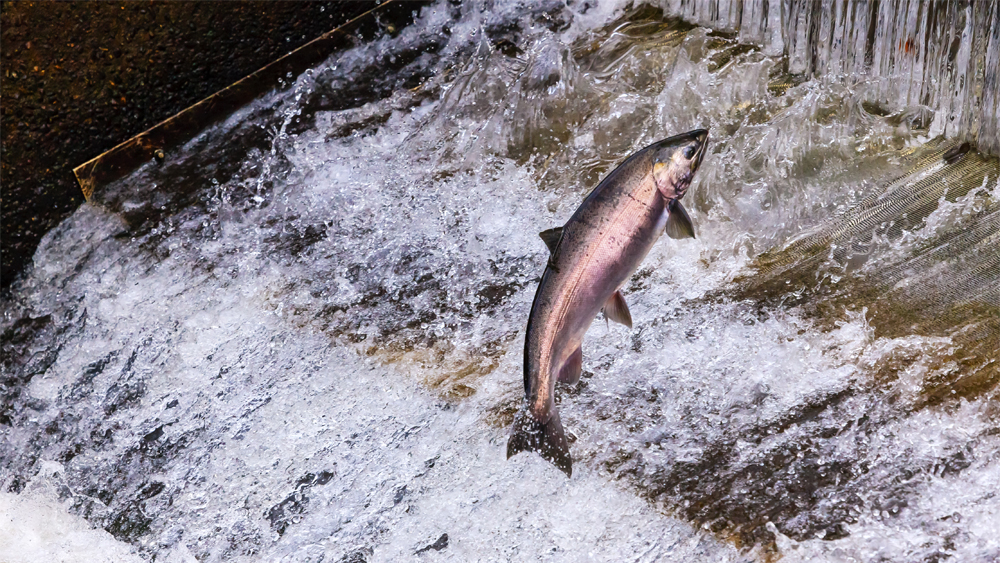
Fish evolution remains an enigma. Evolutionists can only say fish first “appeared” over a half-billion years ago.1 Creationists recognize fish have always been fish since their creation just thousands of years ago. Indeed, when fish are found entombed in sedimentary rock they are always fish, not their alleged evolutionary relatives.
Fossil-hunters have recently unearthed 100% fish in Alaskan sediments. According to Sci.News, “Paleontologists have found the fossils of three new fish species — including the earliest known salmonid fish, Sivulliusalmo alaskensis — at the Prince Creek Formation of northern Alaska.2 Salmon supposedly evolved from an unknown European ancestor between 50 and 100 million years ago. But with that kind of wide time window, it’s safe to say evolutionists don’t really know when these amazing (and delicious) fish evolved.
Discoveries such as this clearly point to the creation model. These fish discovered in the Prince Creek Formation are salmonid. Pike, carp, elasmobranchs, paddlefish, sturgeon, and minnows have also been found in the same area.3 These are all fish we have today. There’s no evidence of evolution.
Salmonidae are a cold-water species with high oxygen demands. They are considered delicate or sensitive to changes in their environment by those who work with the species, especially in their early life stages. The eggs and fry are particularly vulnerable and require clean, pristine waters and sheltered habitats.
But during their supposed evolution, they were constantly subject to extremely traumatic conditions, including pollution due to flooding and wildfires, earthquakes, volcanoes, droughts, ice ages, parasites, predation, habitat fragmentation, and rapid temperature changes. In addition, there were undoubtedly numerous extended periods of global warming and its associated effects during all those millions of years.
The Sci.News article stated, “The discovery of Sivulliusalmo alaskensis adds another 20 million years to the fossil history of the salmon family.”2 So how did the delicate salmon and “salmon-like” fish survive all those millions of years without human protection?
The curator of fish at the University of Alaska Museum of the North, Dr. Andrés López, said salmon lived for millions of years in regions that have gone through dramatic changes in geography and climate.2 He went on to state, “Despite all of the changes that the planet has gone through, all of the changes in the geography and the climate, you still had the ancestors of the same groups of species that dominate the fresh waters of the region today.”2
But it is well-known that salmon, coelacanth, and many other thousands of fish are very delicate, susceptible to all sorts of deleterious environmental conditions,4 as listed above. They are supposedly very close to extinction. In fact, 28 population groups of steelhead and salmon on the West Coast are threatened or endangered and have been placed under the Endangered Species Act (ESA). The Atlantic salmon (Gulf of Maine distinct population segment) is also endangered according to the ESA.5 The Alaska Department of Fish & Game published their own article expressing concerns for the delicate salmon population.
Scientists have two major concerns for salmon today: preserving genetic diversity so each species can adapt to changing climatic conditions, and preserving natural habitats so that local populations of wild salmon can thrive. The ability of salmon to gradually adapt to changes in their environment helped them evolve to spend a portion of their lives in fresh and saltwater. This adaptability carries a hidden price. Wild salmon need pristine fresh water for spawning and rearing, and access to clean oceans, rich with a broad variety of food. Throughout their complex life cycle, salmon must have sufficient amounts of unpolluted water and undisturbed habitat to survive.6 (Emphasis added)
Are these groups of species robust or delicate? Evolutionists can’t have it both ways.
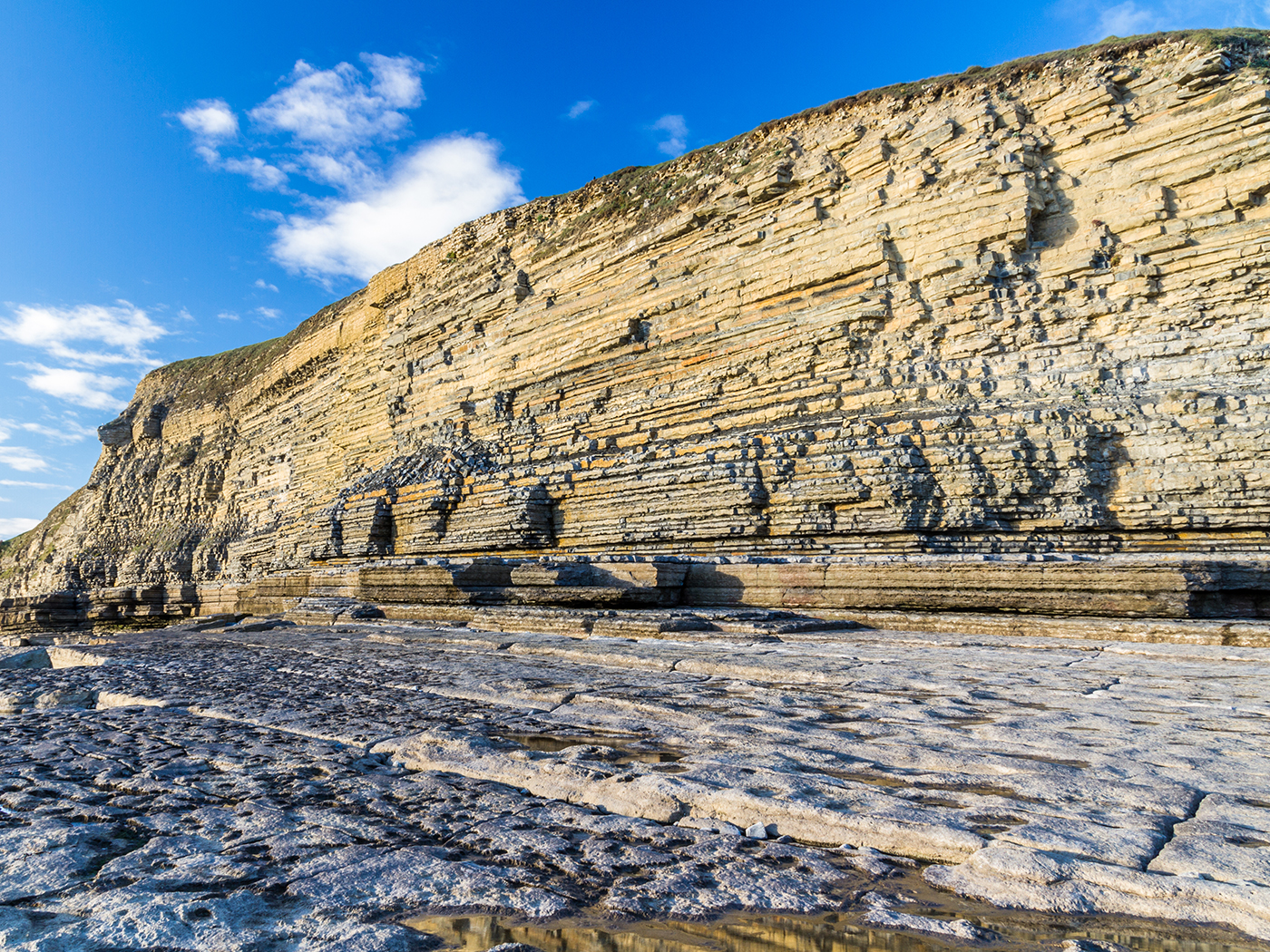
Interestingly, the sedimentary formation where Sivulliusalmo alaskensis and the other new species of fish were found consisted “of sandstone, siltstone, organic-rich mudstone, coal, palaeosols and bentonites deposited in fluvial channels, crevasse-splay complexes and floodplains”3—in other words, flood deposits that would have been laid down by the Genesis Flood.7,8
Fish have always been fish. They were created on Day 5 of creation week only six thousand years ago.
References
- Hickman, C. et al. 2024. Integrated Principles of Zoology. New York, NY: McGraw Hill, 528.
- Ancient Relatives of Salmon and Pike Lived in Alaska’s Fresh Waters 73 Million Years Ago. Sci.News. Posted on sci.news May 9, 2025.
- Brinkman, D. et al. 2025. Fishes from the Upper Cretaceous Prince Creek Formation, North Slope of Alaska, and Their Palaeobiogeographical Significance. Papers in Paleontology. 11 (3).
- Johnson, J. God’s Plan Is Best: Salmon Need Saltwater Acclimation. Creation Science Update. Posted on ICR.org August 3, 2020.
- Pacific Salmon and Steelhead. NOAA Fisheries. Posted on fisheries.noaa.gov Sept 12, 2024.
- King, B., ed. 2019. Alaska’s Wild Salmon. Juneau, AK: Alaska Department of Fish and Game.
- Thomas, B. Fish Studies Answer Flood Question. Creation Science Update. Posted on ICR.org March 9, 2009.
- Morris, J. 2011. Fish in the Flood. Acts & Facts. 40 (5): 16.
* Dr. Sherwin is a science news writer at the Institute for Creation Research. He earned an M.A. in invertebrate zoology from the University of Northern Colorado and received an honorary doctorate of science from Pensacola Christian College.