“And the LORD God prepared a gourd, and made it to come up over Jonah, that it might be a shadow over his head, to deliver him from his grief. So Jonah was exceeding glad of the gourd” (Jonah 4:6).
In the brief story of Jonah, the Lord has given us a striking insight into His providential ways with His people. He “prepared” four special instruments for revealing His will and His great concern for the people God wanted to help. Each involved a very ordinary thing, functioning in an extraordinary way (providential miracles, as it were).
First, “the LORD had prepared a great fish” (Jonah 1:17), both to save Jonah from drowning and to enable God to convince him of the urgent necessity of fulfilling the ministry to which He had called him. Then, after he had preached in Nineveh and God had spared the city, Jonah became angry and wanted to die, so “the LORD God prepared a gourd . . . that it might be a shadow over his head” (4:6). Jonah was thankful for this providential shade from the heat, but he was still not thankful for the sparing of Nineveh. Therefore, “God prepared a worm” and by the next day, “it smote the gourd that it withered” (4:7). Furthermore, “God prepared a vehement east wind” (4:8), and the blasting heat angered Jonah more than ever, so that he again wanted to die.
Finally Jonah was able to hear what God was really saying to him in all these circumstances, and he realized the tremendous scope of God’s mercy and compassion for the lost.
As with Jonah, God speaks to us through ordinary things in providential circumstances. Whether by a marvelous deliverance or a comforting provision, a sudden loss or a mighty storm, God leads us into His will and transforms our lives and hearts to conform to His love. “All things work together for good to them that love God, to them who are the called according to His purpose” (Romans 8:28). HMM

The God Of The Gourd
More Days of Praise

Jephthah's Daughter
“Then it shall be, that whatsoever cometh forth of the doors of my house to meet me, when I return in peace from the children of Ammon, shall...
Misuse of the Bible
“...his epistles, speaking in them of these things; in which are some things hard to be understood, which they that are unlearned and unstable...
He Is Able
“Nevertheless I am not ashamed: for I know whom I have believed, and am persuaded that he is able to keep that which I have committed unto...
The Latest
Living Centenarian Sturgeon: Extreme Genesis Longevity Is Plausible
Native American oral tradition contains stories of sturgeon living for centuries. While this was largely seen as folklore among conventional scientists,...
Brainy Bees Solve Pollen Problem
The uncanny abilities of the honeybee cause entomologists to shake their heads in wonder.1,2
Scientists have long known that honeybees...

October Wallpaper
"Be anxious for nothing, but in everything by prayer and supplication, with thanksgiving, let your requests be made known to God; and the peace...
Possible Ark Site Has Mainstream Media Hopping
An organization named Noah’s Ark Scans is investigating a site called Durupinar, almost 20 miles from Mount Ararat in Turkey. Could it contain...
ANNOUNCEMENTS
Heroes of Creation Science: Henry M. Morris
“The creation/evolution issue is, in a very real sense, the most fundamental issue of all.” —Henry M. Morris
Many people believe the...

Creation Kids: Fungi
Hi, kids! We created a special Acts & Facts page just for you! Have fun doing the activities while learning about the wonderful world...
APOLOGETICS
What is True and False?
by Patrick C . Marks, D. Min., and Brian Thomas, Ph.D.*
In the first article of this series, we explained that truth—that which matches reality—is...
The Cambrian Layer: Explosion or Burial?
The lowest sedimentary layer, rich in hard-shelled fossils, is known as the Cambrian record. Beneath it is the Precambrian, which contains far fewer...
My Sheep Hear My Voice
Young people today can access more information in a matter of days than many people could acquire in an entire lifetime just a century ago. Smartphones,...
The Land of Truffula Trees
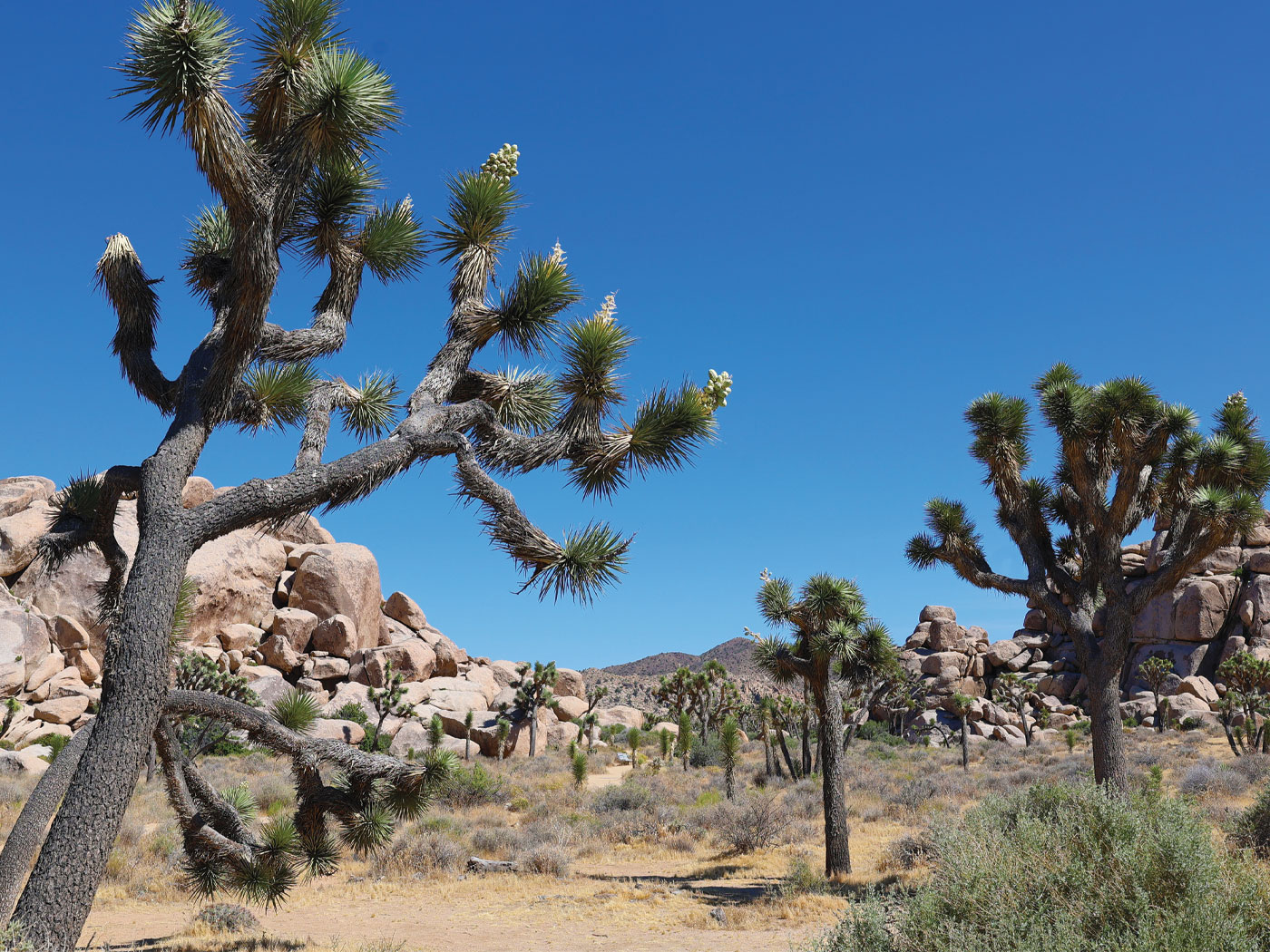
Deserts are often viewed as barren wastelands, yet they boast some of the most captivating organisms on Earth. You have to be unusual to live in a desert,...
Shop Related Products