



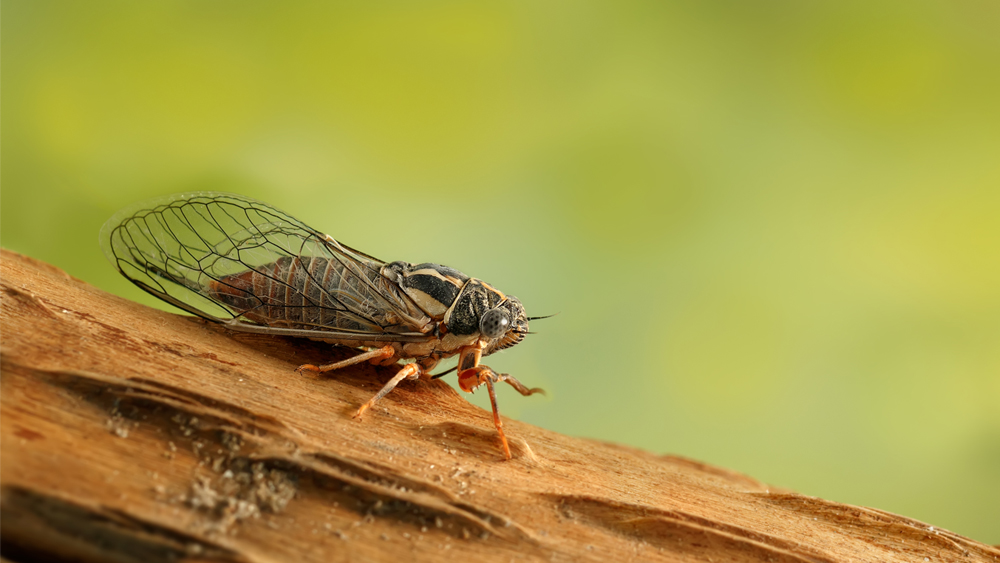
100% Cicada Fossil
Cicadas are an unusual-looking insect belonging to the order Hemiptera (the true bugs, including bed bugs and aphids). If you live in the eastern United States or in the Midwest, you have undoubtedly heard their long raucous calls on summer days. They produce their characteristic sound via unique structures called tymbals.

''73-Million-Year-Old'' Alaskan Salmon
Fish evolution remains an enigma. Evolutionists can only say fish first “appeared” over a half-billion years ago.1 Creationists recognize fish have always been fish since their creation just thousands of years ago. Indeed, when fish are found entombed in sedimentary rock they are always fish, not their alleged evolutionary relatives.
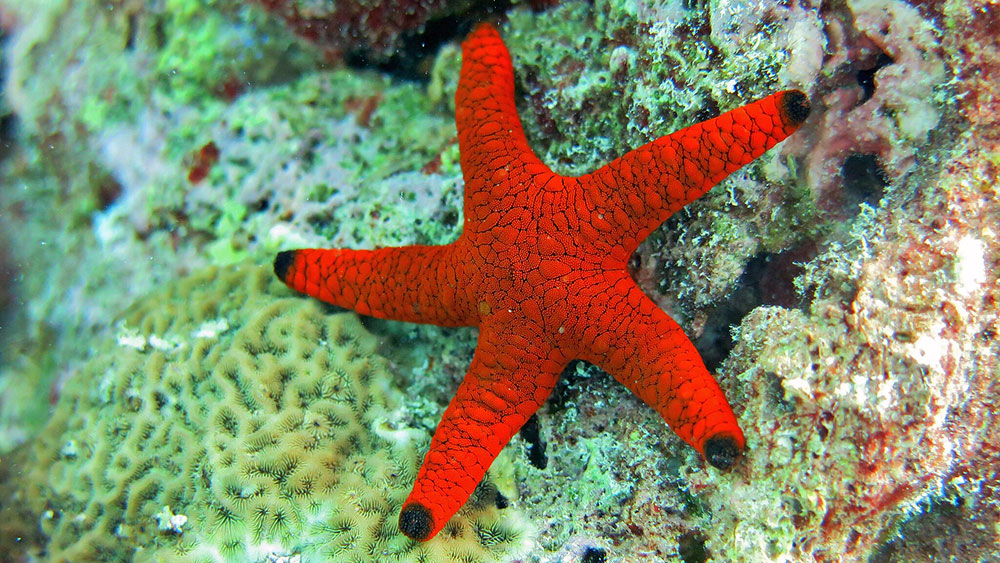
Seastar Skeletal Evolution?
The beautiful sea stars (“starfish”), classified as echinoderms, are one of the most easily identifiable marine invertebrates, with their characteristic radiating arms and stony skin of calcium carbonate. The sea star’s water vascular system is one of the more amazing and complex arrangements in the animal world.

Scientific Debates Reveal Hidden Story Beneath Ape Fossil
In 2002, Professor Michel Brunet of the University of Poitiers, France, described a tiny fossil ape skull nicknamed Toumaï as an upright-walking human ancestor.1 This ancient skull and other possibly associated partial bones from Chad belong to the Sahelanthropus kind.
Pages
