



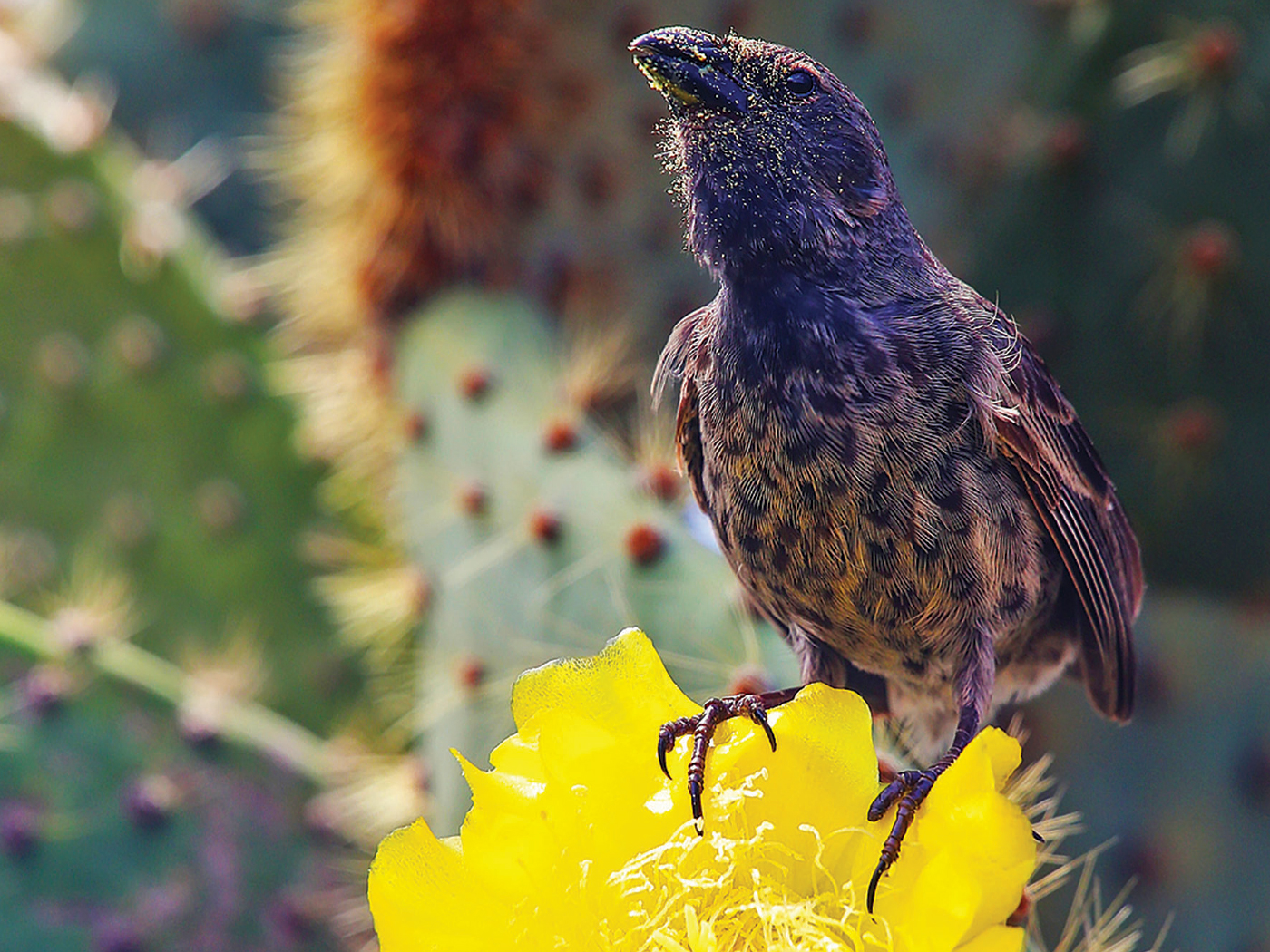
Mutation-Selection: A Calamitous Creationist Concession
Creation biologists have traditionally accepted some form of mutation-selection in their models, but this is a fundamental error. It accepts an anti-design explanation for life.
In contrast, ICR’s continuous environmental tracking (CET) model of adaptation is engineering-based and organism-focused, and it sees genetic sequences as being purposefully designed to solve specific environmental challenges. Now, creation scientists have the opportunity to provide a pro-design explanation for biological change that honors our Creator.
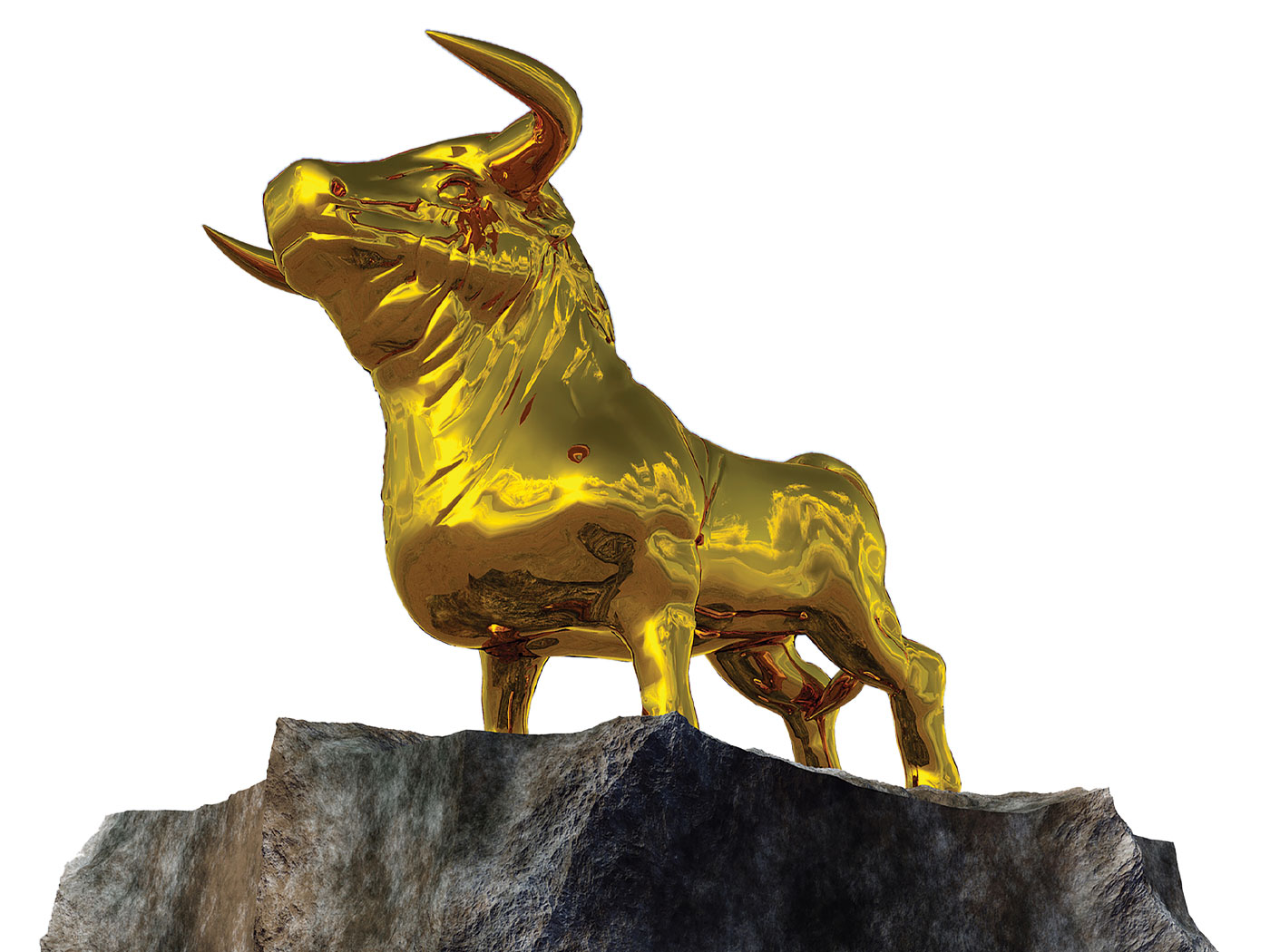
Modern Idolatry: Crediting Natural Selection as the Creator
“Have no other gods before Me.” Exodus 20:3 In the beginning God created the heavens and the earth” (Genesis 1:1).
Natural selection is idolatrous in the basest of ways. Not only does it ascribe rational powers to unconscious environmental features, like any other idol, but it also induces people not to give the Lord Jesus credit for the incredible intelligence and machinery He has built into His creatures that enable them to adapt to their environment.
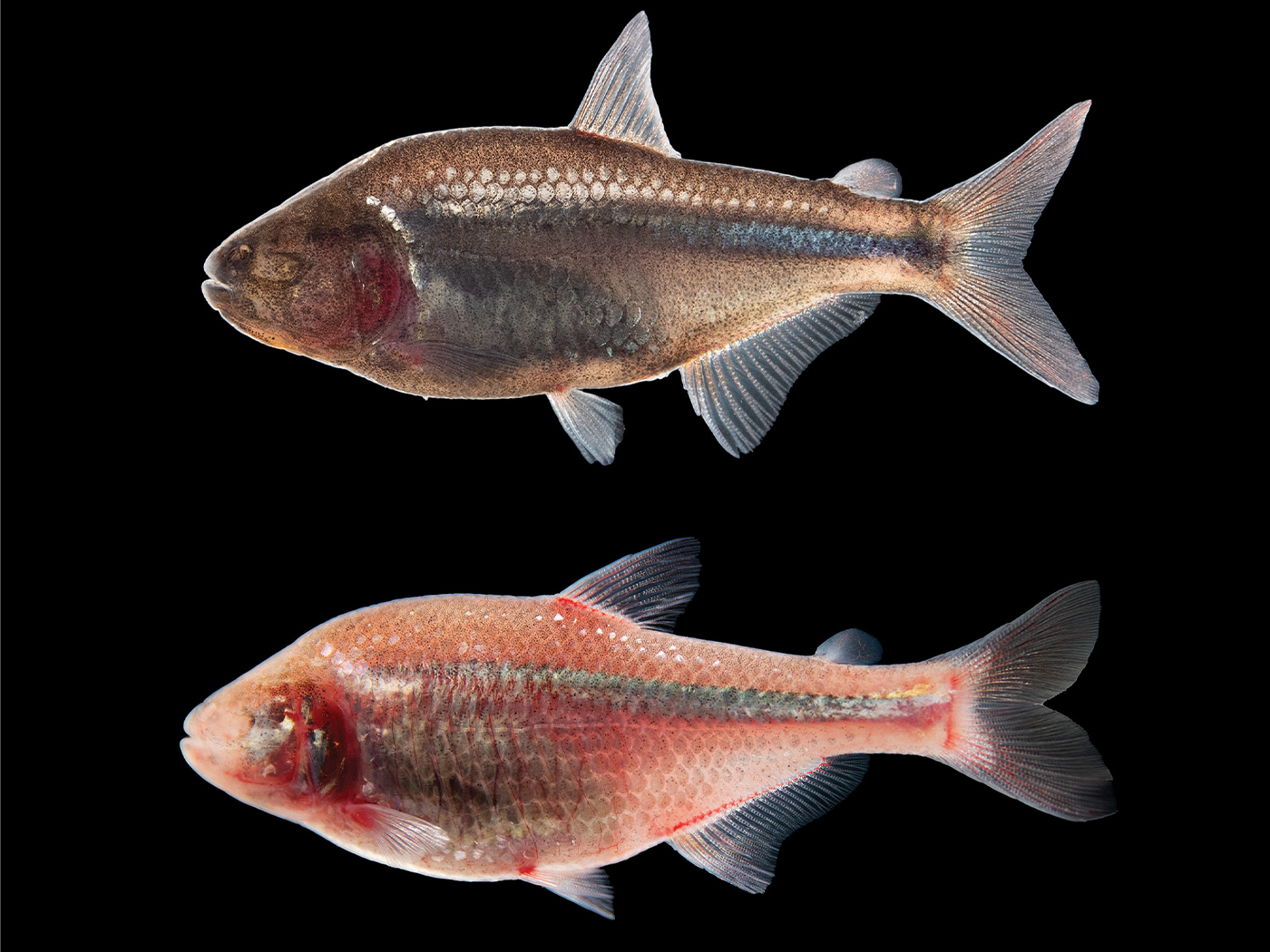
Testing the Cavefish Model: An Organism Focused Theory Of Biological Design
ICR Scientists conducted preliminary tests of the engineering-based model of adaptation called continuous environmental tracking (CET). Publishing in the journal Proceedings of the International Conference on Creationism, they recorded rapid responses in the model organism Astyanax mexicanus to high light and low pH. Adult fish adapted in mere months with no fish deaths. These results do not match adaptation by natural selection, but they do match adaptation by CET.

Continuous Environmental Tracking: An Engineering Framework to Understand Adaptation and Diversification
How do creatures adapt? This technical journal article describes the engineering-based model of adaptation called continuous environmental tracking (CET). If creatures were engineered to adapt, then they should have the three fundamental features of adaptive designs: sensors, logic centers, and targeted outputs. A literature review of hundreds of technical articles found just these features at work in creatures.
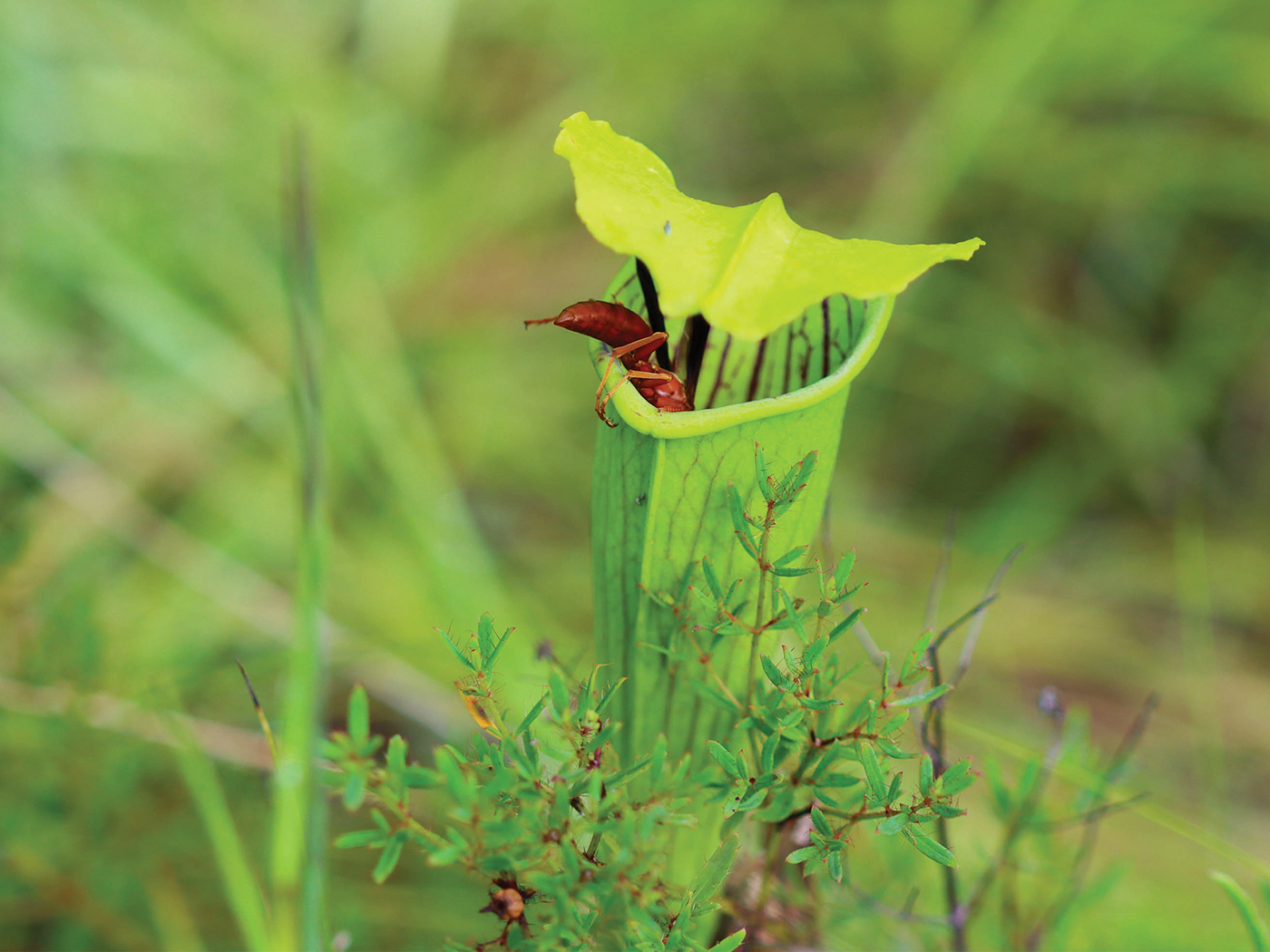
A Creation Model of Design: Application of an Interface Systems Model in Key Global symbiotic Relationships
How do certain creatures work so well together? This technical article describes an engineering-based model of symbiosis. The authors find that both man-made and biological interfaces have two features: authentication protocols and common media. Mutualistic symbioses such as endomycorrhiza and parasitic symbioses such as schistosomiasis have both features. They must represent purposely engineered interfaces that either still work well or have broken down after the Fall.
Christian Engineer: This Is the BIGGEST Misconception About Organisms
In this podcast episode, Trey sits down with Dr. Randy Guliuzza, expert in engineered biology, and discusses the remarkable abilities we see in living things and that organisms’ built-in systems were present from the very beginning of creation.
Natural Selection Part 1: A Darwinian Deception | Creation.Live Podcast: Episode 1
In his book On the Origin of Species, Charles Darwin outlined the theory of evolution by means of natural selection. But what was Darwin’s purpose behind such an idea? And how did this concept permeate the scientific community so thoroughly?
Natural Selection Part 2: A Poor Personification | Creation.Live Podcast: Episode 2
Charles Darwin compared natural selection to a human breeder, but the analogy has faced substantial criticism, even from within Darwinian camps. What exactly is natural selection supposed to be? Has it been measured, quantified, or even observed?
Natural Selection Part 3: A Seductive Swindle | Creation.Live Podcast: Episode 3
Darwin’s idea of natural selection involves long ages of trial and error, making it a fundamentally death-driven concept. Could such a process be adapted to fit a Christian narrative? Or is natural selection an idolatrous idea that can seduce even those who hold to a biblical worldview?

