The world is alive with beetles!
A 2022 study by 17 biologists states, “Beetles constitute the most biodiverse animal order with over 380 000 described species and possibly several million more yet unnamed.”1
Why are there so many types of beetles? They form a large part of the world's biodiversity critical for decomposition (e.g. forests) and feed on problem insects such as caterpillars and aphids. Dung beetles fertilize the soil and increase soil aeration by making tunnels and thus improve the productivity of the land. Of course, many species devastate crops and some borers transmit fungal spores in live trees (e.g. Scotytus), decimating forests.
Where did they come from? While there is a “rich fossil record of beetles,”1 we observe no record of insects evolving into beetles. The oldest known beetle fossil was found in Germany2 and, not surprisingly, is 100% beetle. When it comes to the actual origin of beetles, the researchers stated their “molecular clock analyses suggest a Carboniferous origin of Coleoptera [beetles] and a Palaeozoic origin of all four beetle suborders.”1 Furthermore, “a Carboniferous origin of Coleoptera implies a 55–134 Ma long ‘beetle gap’ in the fossil record.”1 In other words, beetles show up complete and fully-formed in the fossil record as well-designed 3 beetles.
Some fossilized beetles have been found retaining their structural color (organic compounds) providing compelling evidence of the youth of the fossil.4
So, the fossil record shows the sudden appearance of beetles with no record of beetle ancestors, while some fossils have their original carbon-based colors.
References
1. Cai, C. et al. 2022. Integrated phylogenomics and fossil data illuminate the evolution of beetles. Royal Society Open Science. 9: 211771.
2. Kirejtshuk, G. et al. 2014. Evolution of the elytral venation and structural adaptations in the oldest Palaeozoic beetles. Journal of Systematic Palaeontology. 12 (5): 575–600.
3. Sherwin, F. Beetle mouth-gears shout design. Creation Science Update. Posted on ICR.org March 12, 2019.
4. McNamara, M. et al. 2011. The original colours of fossil beetles. Proceedings of the Royal Society B: Biological Sciences. 279 (1731): 1114–1121. See also: Sherwin, F. 2020. Amber Insect Fossils Still Glow. Acts & Facts. 49 (9).
*Dr. Sherwin is Research Scientist at the Institute for Creation Research. He earned an M.A. in zoology from the University of Northern Colorado and received an Honorary Doctorate of Science from Pensacola Christian College.
No Sign of Beetle Evolution
More Fossils Show Stasis and No Transitional Forms
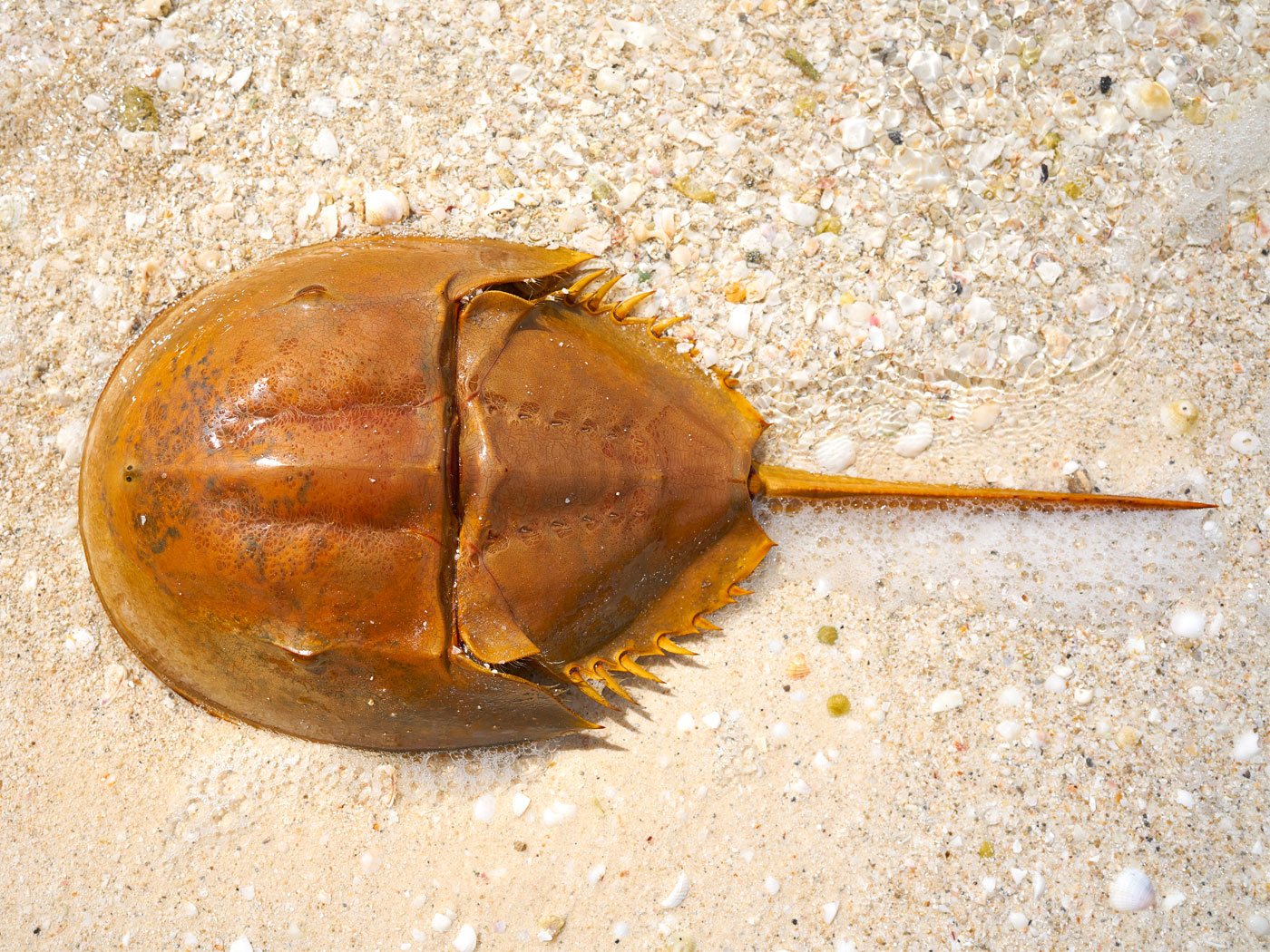
Silurian Horseshoe Crab
Supposedly, throughout the past hypothetical millions of years, sub-human primates became man, dinosaurs evolved into birds, and a group of mammals...
A ''40 million year old'' 100% European Gnat
Finding well-preserved creatures in amber1 is a landfall for creation scientists, much like the numerous discoveries of soft dinosaur tissue...
Scientific Debates Reveal Hidden Story Beneath Ape Fossil
In 2002, Professor Michel Brunet of the University of Poitiers, France, described a tiny fossil ape skull nicknamed Toumaï as an upright-walking human...
More Creation Science Update
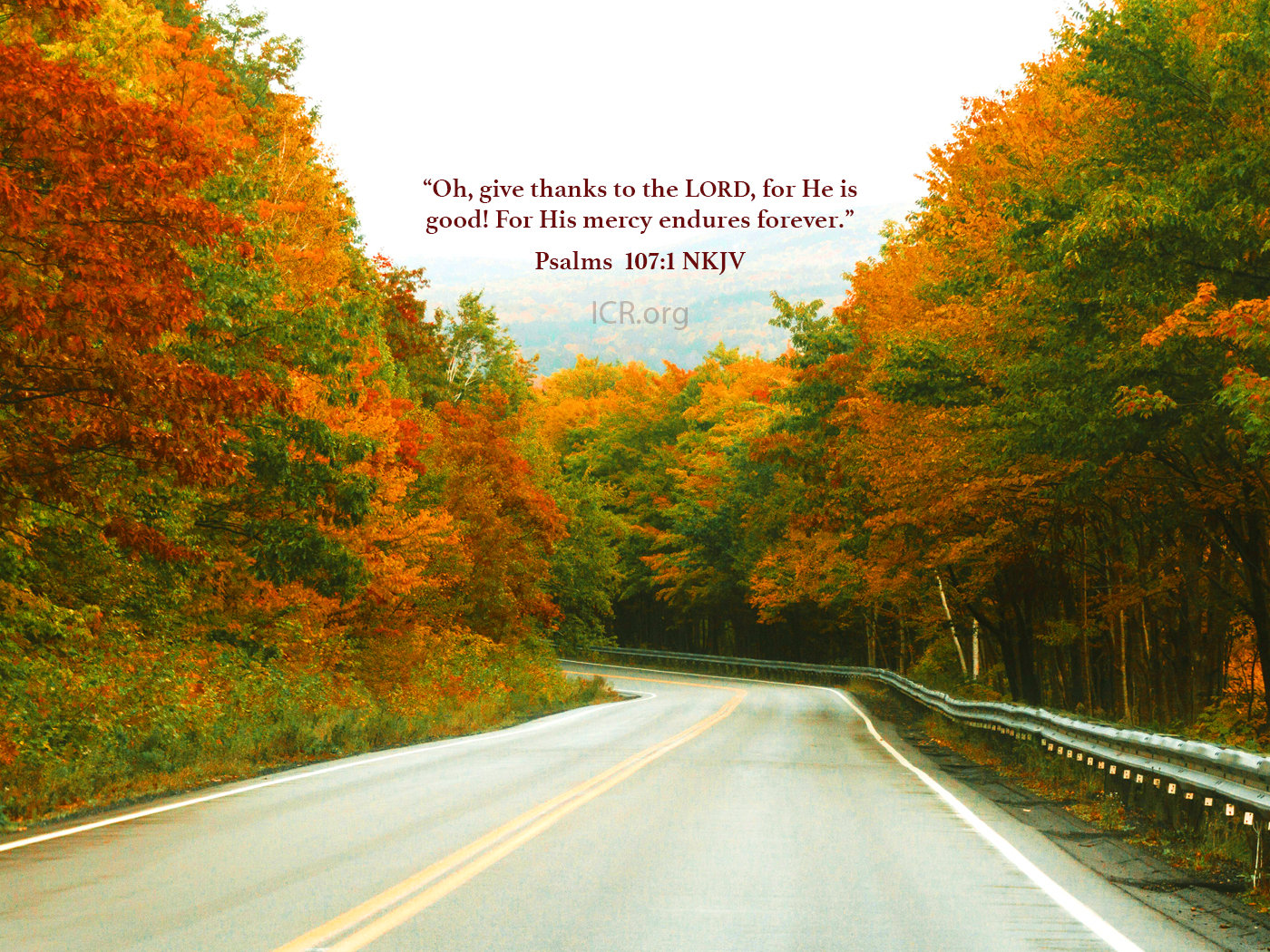
November 2025 ICR Wallpaper
"Oh, give thanks to the LORD, for He is good! For His mercy endures forever." (Psalms 107:1 NKJV)
ICR's November 2025 wallpaper...
Blinking Fish Transitioned to Land?
The mudskipper (Boleophthalmus caeruleomaculatus) of the order Perciformes, is a fascinating fish whose evolutionary origins are quite unknown. They...
Fossil Insect Predation Shows No Evidence of Evolution
Some recent science news stories have come out describing fossils of insects feeding on plants supposedly many “millions of years ago.” What...
The Latest
Man and His Labor
“Man goeth forth unto his work and to his labour until the evening.” (Psalm 104:23)
The 104th Psalm is a beautiful psalm of creation and...
Changing Climates, Stable Primates
What do you picture when you think of the first primates? Conventional scientists have long proposed warm forests, thick vines, and tropical heat as...

September Wallpaper
"[Cast] all your care upon Him, for He cares for you." (1 Peter 5:7, NKJV)
ICR's September 2026 wallpaper is now...
Life’s Origins: The Bootstrap Problem
Could life’s instructions exist without ever being made? This question raises what is called a “bootstrap problem.”1 It...
The Power of a Meek Life
One of the clearest voices calling believers to surrender to Jesus was George Whitefield, who said, “I have just put my soul as a blank into the...
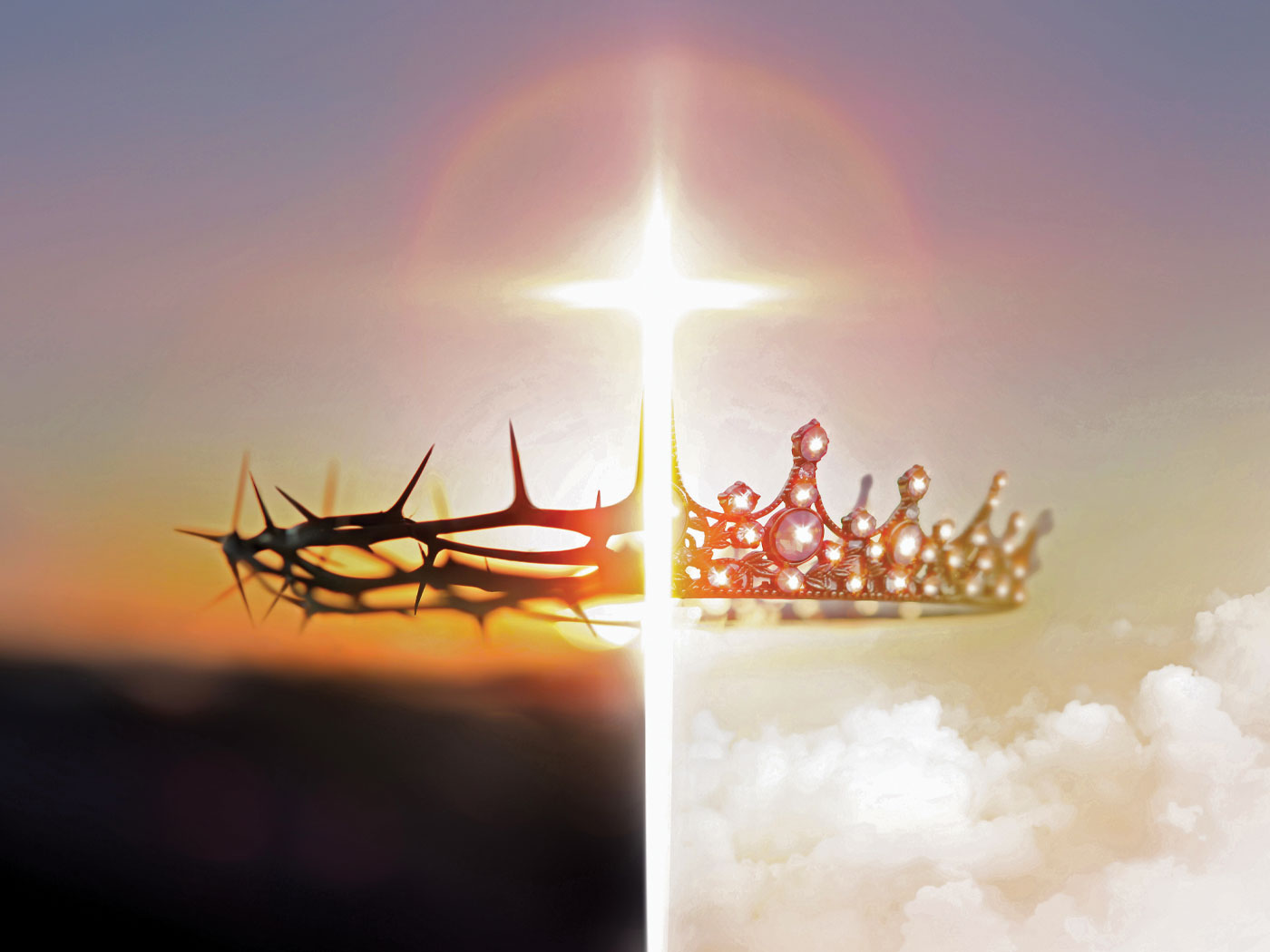
Extent of the Curse and the Hope of Redemption
“For we know that the whole creation groaneth and travaileth in pain together until now.” Romans 8:22*
At the end of the sixth day of...
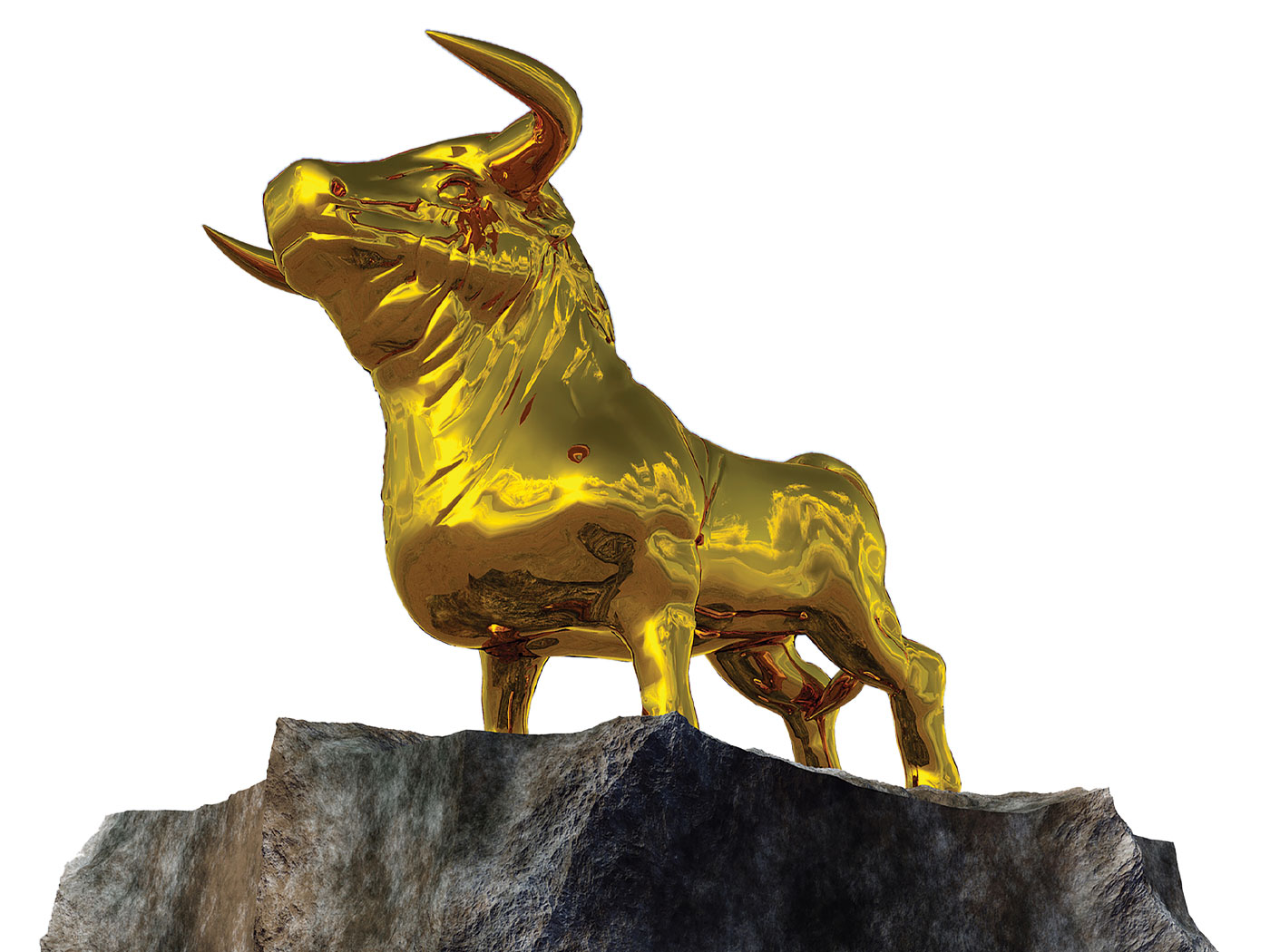
Modern Idolatry: Crediting Natural Selection as the Creator
“Have no other gods before Me.” Exodus 20:3
In the beginning God created the heavens and the earth” (Genesis 1:1). The Creator...
Is Death a Curse or Life’s Change Agent?
“The last enemy that will be destroyed is death.” 1 Corinthians 15:26
Without a doubt, there is a sting to death that is felt by Christians...
A Literal First Adam and Redemption in Christ
“ . . . the son of Enosh, the son of Seth, the son of Adam, the son of God.” Luke 3:38
Was there a literal Adam created along with his...
How Can Anyone Believe There Was a Global Flood?
“Whereby the world that then was, being overflowed with water, perished.” 2 Peter 3:6*
I am often asked, “Where is the evidence...
Shop Related Products
$
The New Ocean Book
$16.99