




Deep Water Squid Communication Mystifies Scientists
In the deep, dark, cold waters of the Pacific Ocean—about 1,500 feet below the surface— hundreds of Humboldt squid the size of small humans (~ 5 feet long) were recently observed feeding on a school of lantern fish only about 3 to 4 inches long. The scientists used a high-tech remotely operated vehicle (ROV) with highly sophisticated photographic equipment to document the squid’s behavior.
Think Twice Before Whacking a Mole
It’s mole season. Moles get active in springtime, especially during March and April. Moles are mostly hidden out of plain sight, but they are actually important members of God’s creation. Many people dislike moles, due to how the creatures wrinkle lawn surfaces, but the ecological benefits usually outweigh such minor yard-care nuisances.
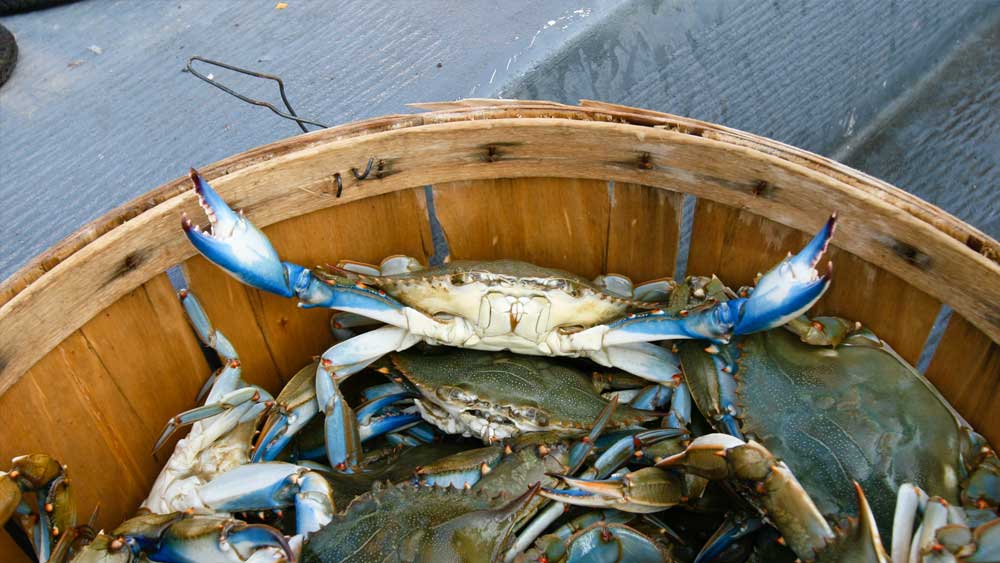
Getting Crabby Over Labor Shortages
Some customers are getting a bit crabby over current market conditions for seafood. Is the shortage on shellfish due to federal immigration politics, coronavirus, or something else?
As recently reported in the Chesapeake Bay Journal,
Ants Demonstrate Characteristics of Engineered Adaptability
Darwin’s theory of evolution makes several predictions about adaptation. But recent genetic findings raise questions about the accuracy of evolutionary theory, since the findings point toward different types of engineered adaptability. The latest challenges to Darwin’s theory, published in March 2020, come from the fascinating insects known as turtle ants.

Preventing COVID-19
Here are some quick tips from ICR’s Dr. Randy Guliuzza on what we all can do to prevent COVID-19 from infecting our families and coworkers.
One key sign the COVID-19 is in your system is running a fever over 100.4°F. Once you sense a fever coming on, you should consider getting tested for COVID-19, and then go home and into isolation as your physician directs.
Pages
