




Massive Releases of CO2 from Mountain Streams
Recently, a new study published in Nature Communications found that mountain streams may be much larger contributors to the global carbon cycle than previously believed.1 The study suggests that this is a consequence of the higher turbulence levels of most mountain streams.
Massive Releases of CO2 from Volcanism Rival Humans
Recently, a new study published in Nature Communications has suggested that pulses of massive amounts of lava can release as much CO2 as humanity will produce for the entire 21st century.
New Amber Discoveries Down Under
Paleontologists in Australia have recently discovered a treasure trove of amber with trapped insects, spiders, and fungi.1 These new fossils are revealing some animal behavioral secrets and are creating some baffling mysteries.
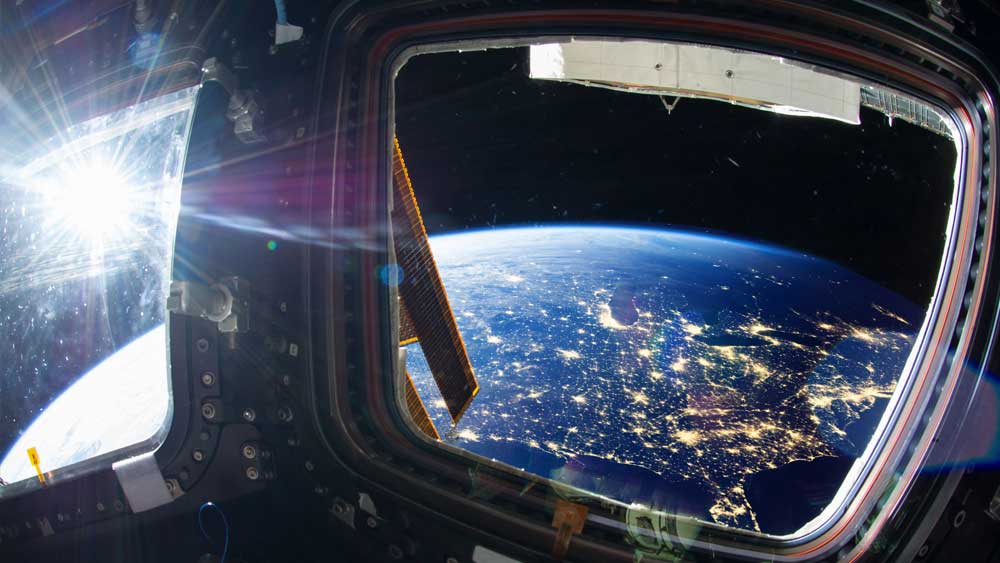
Coronavirus Makes Climate Action More Urgent?
Early this week, the websites Phys.org and TheConversation.com published an editorial by John Hewson, former federal leader of the Australian Liberal Party, who claimed that the coronavirus pandemic has made it even more urgent for the world to respond to “climate change.”1,2 Because the issue of climate change intersects the origins debate in a number of ways, it is worthwhile to re
Length of the Cretaceous Year Still Leaves Questions
Recently, a team of geochemists from Belgium reported that days might have been 30 minutes shorter in the Late Cretaceous compared to today, giving 372 days in a year.1 They published their results in Paleoceanography and Paleoclimatology, basing their conclusions on growth patterns in an extinct bivalve called a rudist clam.
Pages
