



More Soft Tissue in Archaeopteryx
Was the famous extinct fossil named Archaeopteryx a bird or an evolutionary link that led to birds? And how confident should scientists and others feel about the 150-million-year age assigned to this world-famous fossil? A new report on the latest specimen confirms two Bible-friendly trends that creation scientists have been tracking for a long time.1

Rhino Fossil Requires the "Impossible" from Conventional Science
A recent study published in Nature Ecology & Evolution claims that the “impossible” actually happened—not just once, but three different times.1
Impossible Ocean Barriers
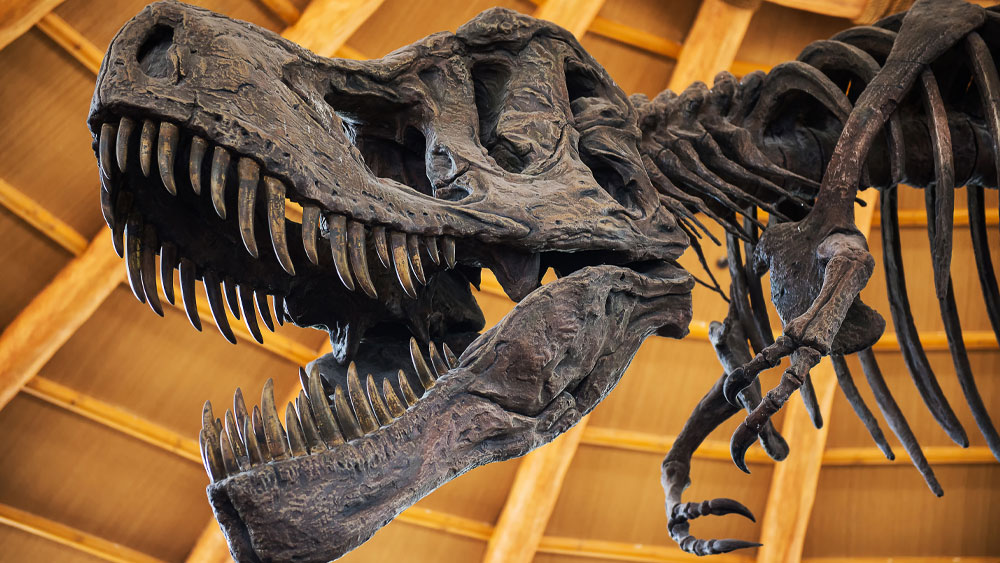
Dinosaur Blood Vessels
by Brian Thomas, Ph.D., and Frank Sherwin D.Sc,(Hon)*
Recently, the prestigious Royal Society published a fascinating paper regarding partial haemoglobin preservation in dinosaur fossils. The study’s authors are from North Carolina State University—a world leader in this area. They wrote,

Early Fish Evolution?
The discovery of a new species of a plant or animal would probably not spark much excitement to the non-scientist. But in this case, the conditions surrounding the discovery of two new species of little-known fish should cause Christians who are interested in origins to take notice.

Sedimentary Rock Does Form Fast!
A recent study published in Geology found that sedimentary rock can form in as little as 35 years.1,2 Before this, conventional geologists thought these types of rocks took vast amounts of time to erode, consolidate, and lithify. What they discovered along the coast of Scotland caused them to quickly change their minds.
Pages
