Starlight and the Big Bang
Much evidence refutes Big Bang beginnings. They portray everything coming from nothing—an impossibility. Fully formed galaxies exist right where the Big Bang says they shouldn’t. In contrast, Genesis tells us God made the cosmos supernaturally and recently. Emerging evidence from space fits creation.
-
How can spiral galaxies exist so far away?
-
What does the James Webb Telescope show us?
-
How can we see distant starlight in a young universe?
-
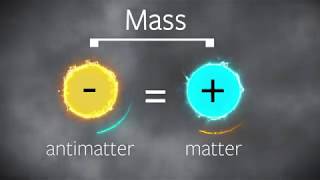
Could the laws of physics alone have caused our observable universe?
-
What fatal problems do Big Bang scientists discuss about their own theory?
Videos on Starlight and the Big Bang
Articles on Starlight and the Big Bang

"Early" Spiral Galaxy Surprise
Recently, astronomers were surprised by very distant spiral galaxies. As described in a popular science news article, “New results from an ambitious sky survey program, called ALPINE, reveal that rotating disk-shaped galaxies may have existed in large numbers earlier in the universe than previously thought.”
Webb Telescope Discovers Another Record-Breaking Galaxy
Astronomers using the James Webb Space Telescope have recently confirmed that two galaxies are extremely distant, with one becoming the new record holder as the most distant galaxy from Earth....By uniformitarian reckoning, this galaxy existed just 290 million years after the supposed Big Bang, yet it looks too mature for its age.
Seeing Distant Starlight in a Young Universe
Many see distant starlight as an unanswerable objection to recent creation. Both creationist and evolutionist astronomers agree that distant galaxies are billions of light-years from us. A light-year is about six trillion miles, the distance traveled by light in one year. So, shouldn’t it take billions of years for distant starlight to reach us?
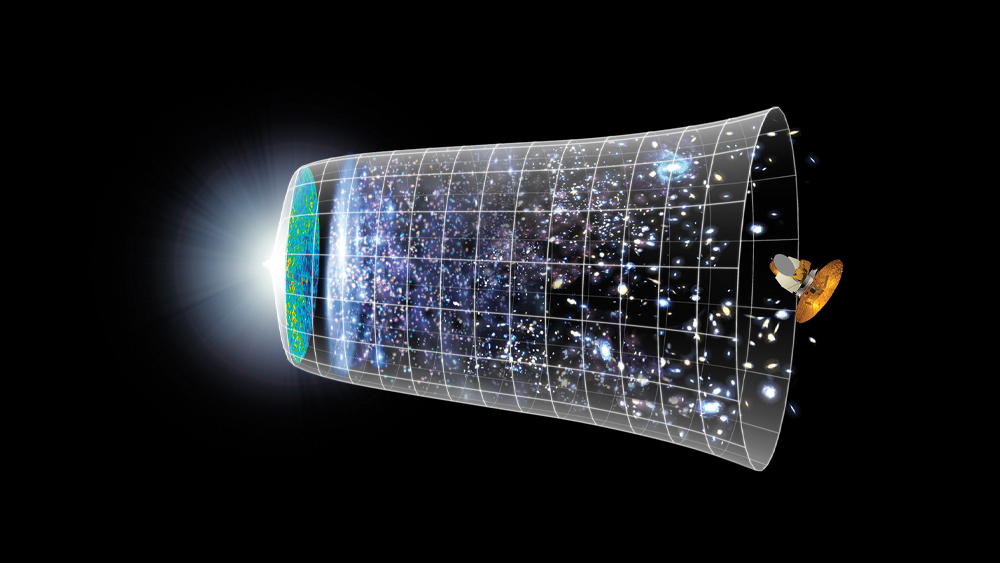
The Big Bang Myth
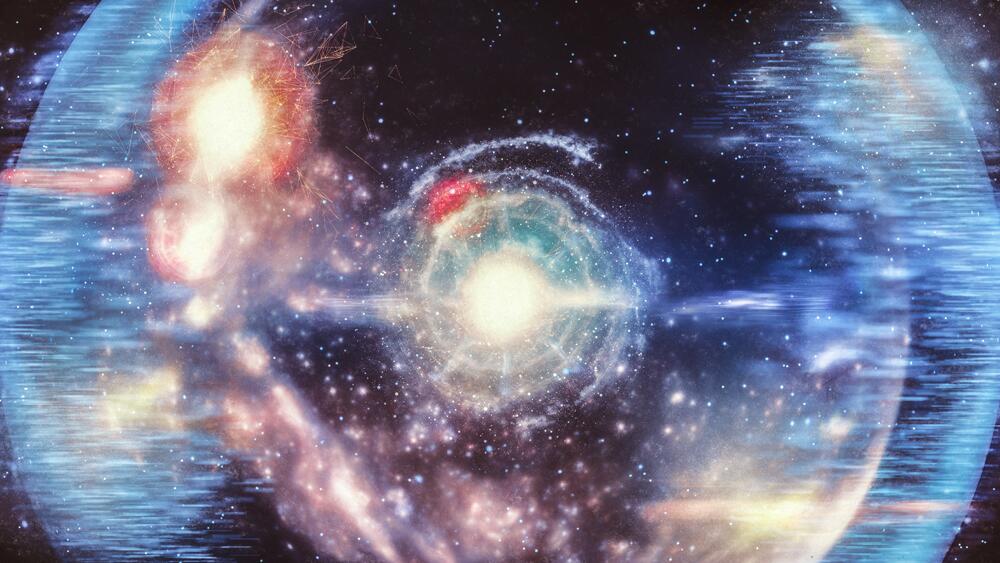
According to the most popular conventional origins story, space, energy, time, and matter as we know them came into being 14 billion years ago when a hypothetical process called inflation caused space to rapidly expand. Somehow this cosmic accident eventually resulted in myriads of stars, planets, and galaxies as well as Earth and all its inhabitants. Despite the idea’s apparent absurdity, it’s taken seriously by millions of people, including most scientists.
A Universe from Nothing?
Explaining the origin of the universe is an enormous challenge for those seeking to deny their Creator: How could a universe come from nothing?...because most professing atheists have accepted the big bang model of the universe, they have accepted the premise that our universe did indeed have a beginning. Hence, they have a need to explain that beginning.
Recommended Resources