The uncanny abilities of the honeybee cause entomologists to shake their heads in wonder.1,2
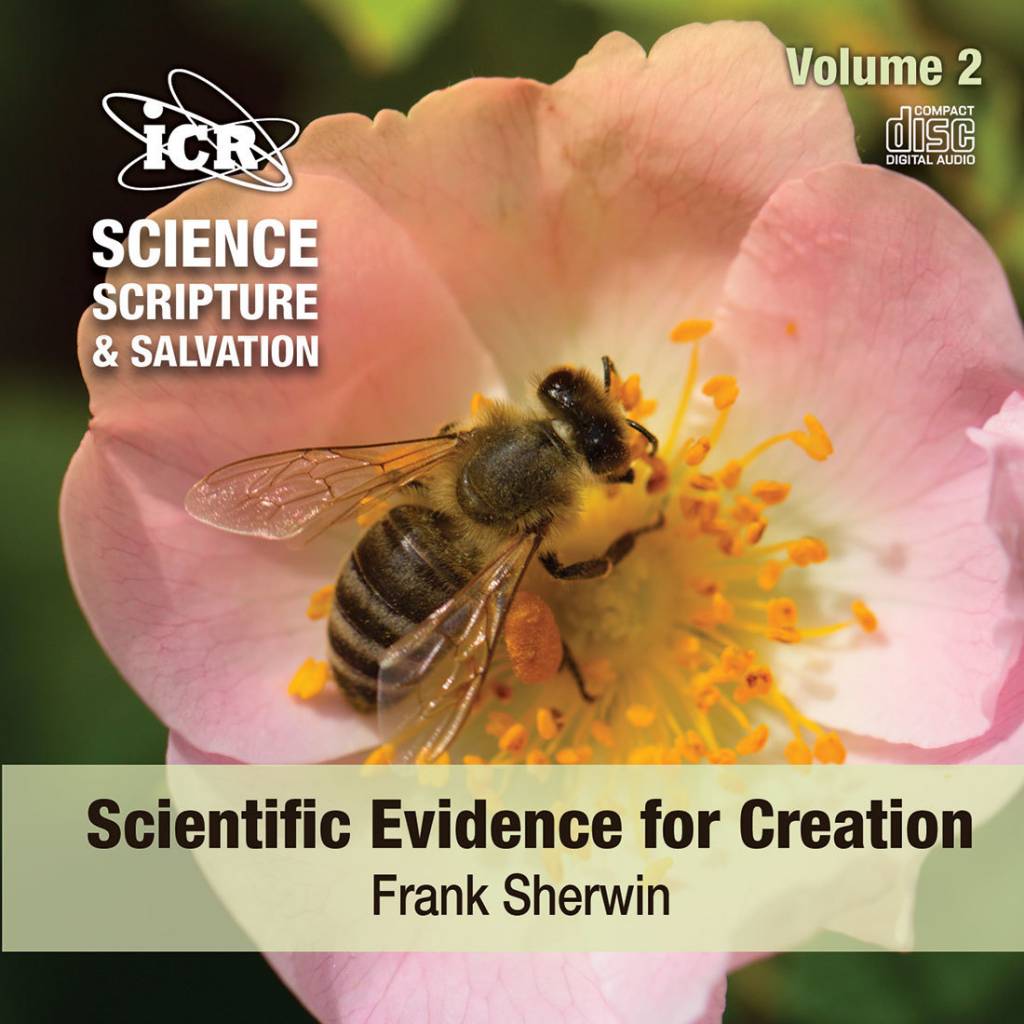
Scientists have long known that honeybees survive on nectar and pollen. More recently, researchers discovered that honeybees have a sophisticated nutritional process that transforms pollen into incredibly well-designed food for their larvae. They also found that honeybees have the ability to detect and correct when the balance of essential nutrients in their food is wrong.
While nectar offers the bees a source of sugar, pollen is their primary means of obtaining protein. However, pollen doesn’t always give them all the rest of the nutrients their bodies need. To make up for this lack of nutrition, “[honeybees] can change how much they eat depending on the balance of essential amino acids [EAAs] in their food. This feeding behavior may protect them from consuming excessive amounts of certain amino acids when pollen does not provide the nutritional mix they need.”3 Amino acids are the building blocks of protein molecules, and EAAs are those amino acids that cannot be synthesized de novo, or anew, by honeybees. Therefore, it’s important that they only consume so much of them.
To adjust the amount of EAAs they consume, honeybees create bee bread, made of pollen and “glandular secretions.”3 Such “bread” supplements their diet and allows them to adjust their EAA profile, or the specific quantity of EAAs that they need to live. Bees gain more weight on diets that match their EAA profile.4 Evidently, eating in such a way that meets the quantity of EAAs as required by their EAA profile is how the bees fix their nutritional imbalance, but scientists are still piecing together the details.
ICR’s engineering-based model of biology, continuous environmental tracking (CET), describes how organisms continuously track changing conditions in their environments and adjust physiology and behavior accordingly.5 Honeybees appear to exhibit this model in their ability to sense when their food has an incorrect balance of nutrients and take action to ensure a healthy diet.
To conclude, God has designed honeybees to use specific proportions of essential amino acids in pollen to regulate food intake.
References
- Thomas, B. Bees Solve Math Problems Faster Than Computers. Creation Science Update. Posted on ICR.org November 2, 2010.
- Sherwin, F. How Honeybees Make Accurate, Fast Decisions. Creation Science Update. Posted on ICR.org August 3, 2023.
- University of Oxford. Pollen Has a Surprising Problem — and Honeybees Have Found a Way Around It. ScienceDaily. Posted on sciencedaily.com August 19, 2026.
- Stabler, D. et al. 2026. Nutrition of Honeybees Is Constrained by the Ratios of Essential Amino Acids in Pollen Protein. Current Biology. 36 (13): 3326–3335.
- Guliuzza, R. J. 2023. Continuous Environmental Tracking: An Engineering-Based Model of Adaptation. Acts & Facts. 52 (6): 22–23.
* Dr. Sherwin is a science news writer at the Institute for Creation Research. He earned an M.A. in invertebrate zoology from the University of Northern Colorado and received an honorary doctorate of science from Pensacola Christian College.