by Scott Arledge and Brian Thomas, Ph.D.
 Some within the creation community make the claim that they would believe God’s Word about the age of the universe even if all the evidence pointed otherwise. Trusting God, no matter what, is certainly a good thing. However, then they claim that He intentionally made the universe “look old.”1 Did God make an old universe but describe a young one in Genesis just to test our faith?
A comparison is sometimes made between creation’s supposedly old features and Adam’s appearance of age, or the water that Jesus miraculously turned into wine. These creationists argue that these examples make it reasonable for God to have created the universe with the appearance of age as well.2 Should we expect that a creation spoken into existence would somehow look billions of years old? Young-looking features of our world dissolve arguments for its apparent old age.
If a person were given science tools but had no preconceived notions about the universe, would purely objective observations lead that person to believe in a billions-of-years-old earth and universe? By no means, since so many features look so young.3
 A close examination of the geologic column reveals sedimentation from a flood so recent that countless creatures it buried, including dinosaurs, have decomposing tissues that sometimes still stink.4 Mass spectrometers, chemical stains, and microscopes reveal original protein remnants in them. These results suggest burial only a few thousand years ago.
The objective, unbiased person would also understand a century’s worth of magnetometer results that show Earth’s magnetic field is fading fast.5 That looks young too.
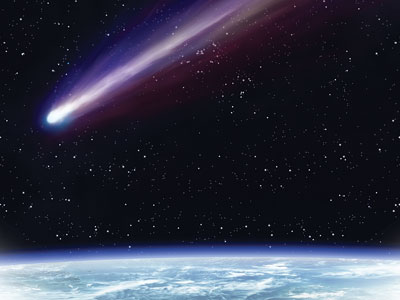
Telescopes reveal comets in long orbits around the sun. These balls of ice follow orbits that every once in a while bring them close to the giant ball of fire. It would be like putting a snow cone half an inch from a space heater set on high. No wonder comets routinely fizzle in front of our eyes when they’re near the sun. They can’t last billions of years.6 Did God put them into the sky to make sure observers would know the creation isn’t very old?
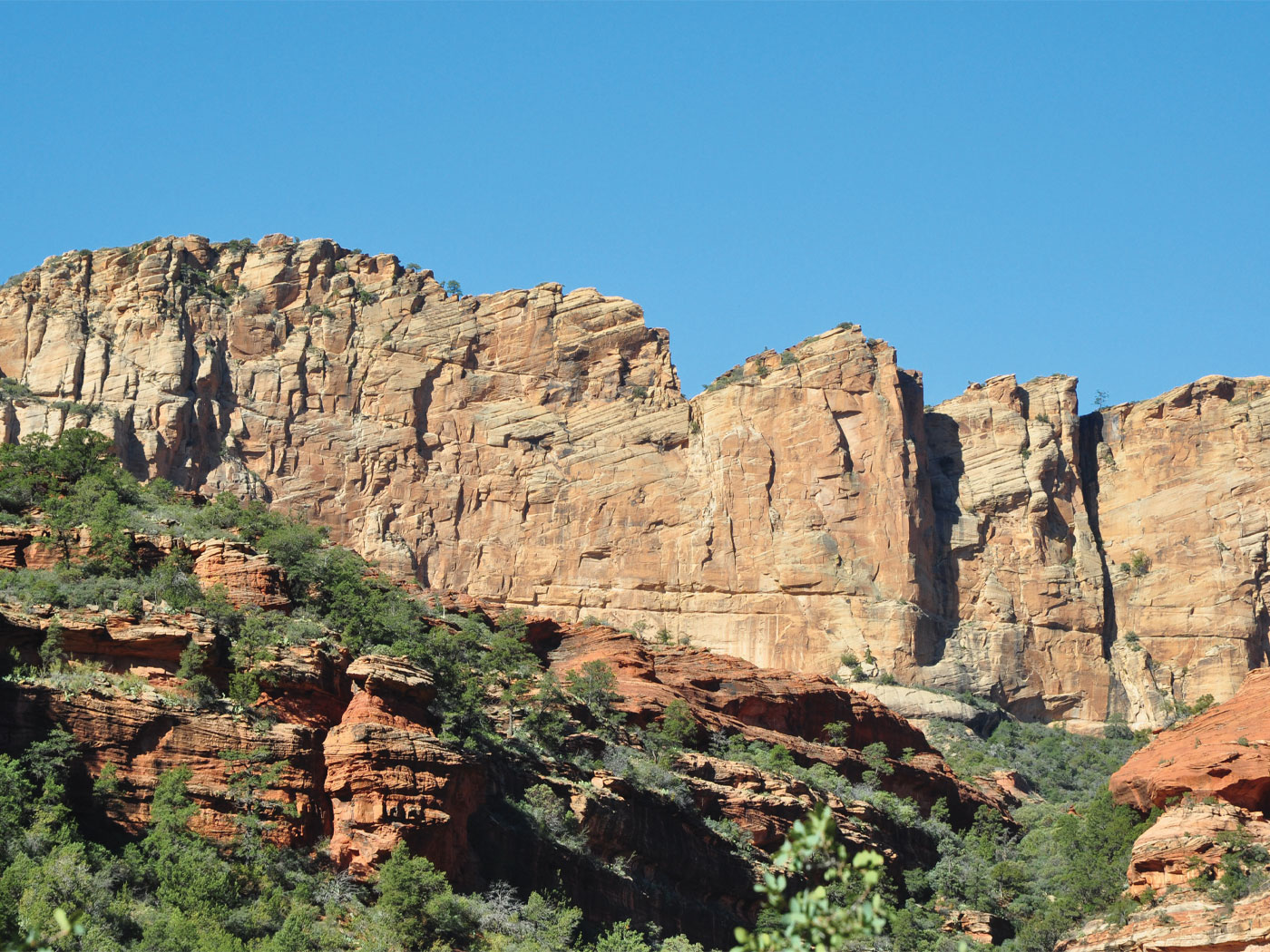
We see many features that fade fast. Cliffsides crumble and mountains erode.7 The rate at which our DNA is mutating sets a limit on the human race as a whole.8 This mutation clock, if run backward from the present amount of DNA damage in our bodies' cells, indicates an age for mankind of only thousands of years.
Do features of this creation clearly show a universe that is billions of years old? Do Christians have to believe in recent creation despite mountains of contrary evidence? Quite the opposite. Instead, those who deny creation must believe in deep time despite both the world’s youthful features and the Word’s plain speech.
References
- Coulson, K. P. 2020. Creation Unfolding: A New Perspective on ex nihilo. Coppell, TX: Phaneros Press.
- In so doing, they mistake “age” for “maturity.” Jesus needed no age to mature water into wine, and He needed no age to mature dust into Adam. It only looks “old” to those who insist that maturity requires age and essentially dismiss those miracles.
- Morris, H. M. 2002. The Biblical Basis for Modern Science. Green Forest, AR: Master Books, 440-442.
- Tomkins, J. P. Six Biological Evidences for a Young Earth. Creation Science Update. Posted on ICR.org April 30, 2019, accessed June 18, 2020.
- Hebert, J. Our Young Solar System. Creation Science Update. Posted on ICR.org August 31, 2018, accessed June 18, 2020.
- Hebert, J. Deep-Space Objects Are Young. Creation Science Update. Posted on ICR.org August 30, 2019, accessed June 18, 2020.
- Clarey, T. Four Geological Evidences for a Young Earth. Creation Science Update. Posted on ICR.org May 31, 2019, accessed June 18, 2020.
- Thomas, B. The Human Mutation Clock Is Ticking. Creation Science Update. Posted on ICR.org July 7, 2011, accessed June 18, 2020.
* Dr. Thomas is Research Associate at the Institute for Creation Research and earned his Ph.D. in paleobiochemistry from the University of Liverpool. Mr. Arledge is Research Coordinator at the Institute for Creation Research.