A complex metabolic process called Chaperone-Mediated-Autophagy (CMA) was thought to be a recent evolutionary development in land vertebrates as it was only previously documented in mammals and birds. Now it has been found to be fully operational in fish—once again demonstrating that a lack of human knowledge is not evidence for evolution.1
Autophagy is an amazingly complex and ingenious process in which cells are able to degrade and recycle their own damaged or dysfunctional components. It not only allows for the efficient recycling of important molecules and biochemical structures, but produces a stable equilibrium between interdependent cellular elements and physiological processes. In other words, it’s essential to life.
Mutations in the genes that code for the proteins that control the autophagy processes typically result in disease and health problems. There are actually a variety of biochemical pathways for autophagy in the cell. One of these is called Chaperone-Mediated-Autophagy (CMA) and it contributes to the degradation and recycling of a wide range of proteins and is essential in the regulation of various cell functions, including gene activity, DNA repair, cell cycle regulation, and cellular metabolism. Mutations in genes regulating CMA have been linked to a number of human diseases, including neurodegenerative disorders, various types of cancer, metabolic problems, and immune system dysfunction.
Up until recently, scientists have believed that CMA was a recent evolutionary development that first appeared in land vertebrates, namely mammals and birds. This was due to researchers’ prior inability to locate genes associated with CMA in fish. And quite conveniently, this scenario fit well with the evolutionary claim that fish are the primitive ancestors of land vertebrates and would thus be supposedly lacking more advanced cellular systems.
More specifically, the evolutionists were basing their assumptions on the absence of any identifiable LAMP2A gene in fish. This gene encodes a necessary protein for CMA activity as found in mammals and birds. However, in 2018, researchers finally stumbled across some evidence for the gene in a fish database called Phylofish.2 They discovered that several fish species had active genes that were fairly similar to the mammalian version of LAMP2A. This finding startled them because it suggested that CMA was active in fish much earlier in vertebrate evolution than initially thought.
In this new study, these same researchers have bolstered the evidence for LAMP2A and CMA activity in fish.1 By using specialized fluorescent biomolecule reporting technology that can be visualized with a light microscope, they confirmed the existence of a CMA pathway in cells of the fish medaka (Oryzias latipes) as had been done previously in mammalian cells. They also mutated the LAMP2A gene in fish, which resulted in severe dysfunction in carbohydrate and fat metabolism—a result previously demonstrated in mice. Taken together, this new study shows that CMA also occurs in fish where it performs an essential role in cell metabolic regulation.
This new research also shows that the diverse complexity of autophagy systems was present in vertebrate systems fully formed and functional with no evolutionary precursors. While these results confound evolutionary ideas and presuppositions about life steadily progressing from simple to complex, the data fits perfectly with the creation model of plant and animal origins where complex cellular systems have been present from the very beginning and can be found at all levels of life.
References
1. Lescat, L. et al. 2020. Chaperone-Mediated Autophagy in the light of evolution: insight from fish. Molecular Biology and Evolution. DOI10.1093/molbev/msaa127.
2. Lescat, L. et al. 2018. CMA restricted to mammals and birds: myth or reality? Autophagy. 14 (7): 1267-1270.
*Dr. Tomkins is Life Sciences Director at the Institute for Creation Research and earned his doctorate in genetics from Clemson University.
Complex Metabolic Process in Fish Startles Evolutionists
More Oceans
Big Fish Fossil Recalls Big Flop
One of the most famous living fossils is back in the news. The coelacanth is an endangered deep-sea fish. Its fins fit to unique, wrist-like bones, and...
Possible Parasites Found on Cambrian Brachiopods
Scientists from China, Sweden, and Australia have discovered what they claim is the oldest known parasite, publishing their results in Nature Communications.1...
Jellyfish Serves Variety of Venoms in Stinging Cocktail
Chinese researchers recently reported on venomous toxins of the giant jellyfish. They revealed that this aquatic creature mixes a “cocktail”...
More Genetics
Does Oddball Platypus Genome Reveal Its Origins?
How in the world did a creature as odd as the duck-billed platypus originate? This creature lays eggs like a reptile, has venom like a reptile, spurs like...
Pseudogenes Regulate Immune Responses in Humans
Pseudogenes were once thought to be nothing but genomic fossils—the remnants of broken genes. Now they are being shown to be highly functional...
Study Shows 'Junk' DNA Builds Visible Traits
Proteins do most of the required metabolic tasks within each of the trillions of cells in the human body. However, only about four percent of human DNA...
More Zoology
The Rocket Bug: Lone Insect of the Open Ocean
Various water-striding insects use small body sizes, long legs, and fine hairs on their feet to skate on the surfaces of ponds and streams. But life on...
Does Oddball Platypus Genome Reveal Its Origins?
How in the world did a creature as odd as the duck-billed platypus originate? This creature lays eggs like a reptile, has venom like a reptile, spurs like...
Mammoth DNA: The Oldest Ever Found?
Scientists have sequenced small amounts of DNA from the teeth of two Siberian mammoths said to have lived more than a million years ago.1,2...
More Science
Getting Carbon into the First Cell
Today’s secular mindset replaces “In the beginning God…” with “In the beginning, hydrogen….” The extreme specificity...
Embarrassment Continues over Evolutionary Blunder about.,.
Recent research from the Okinawa Institute of Science and Technology Graduate University (OIST) continues to highlight how evolutionary theory influenced...
Are Plastivores the Best Solution to Our Plastic Problem?
Since the first entirely synthetic plastic was made in 1907,1 the plastic industry has grown exponentially. While it is difficult to estimate...
More God's Design Is an Engineering Wonder

RNA Hoops: When Circular Reasoning Makes Sense
If the regulatory picture of the genome were not complicated enough, over the past decade scientists have discovered another level of Darwinian-defying...
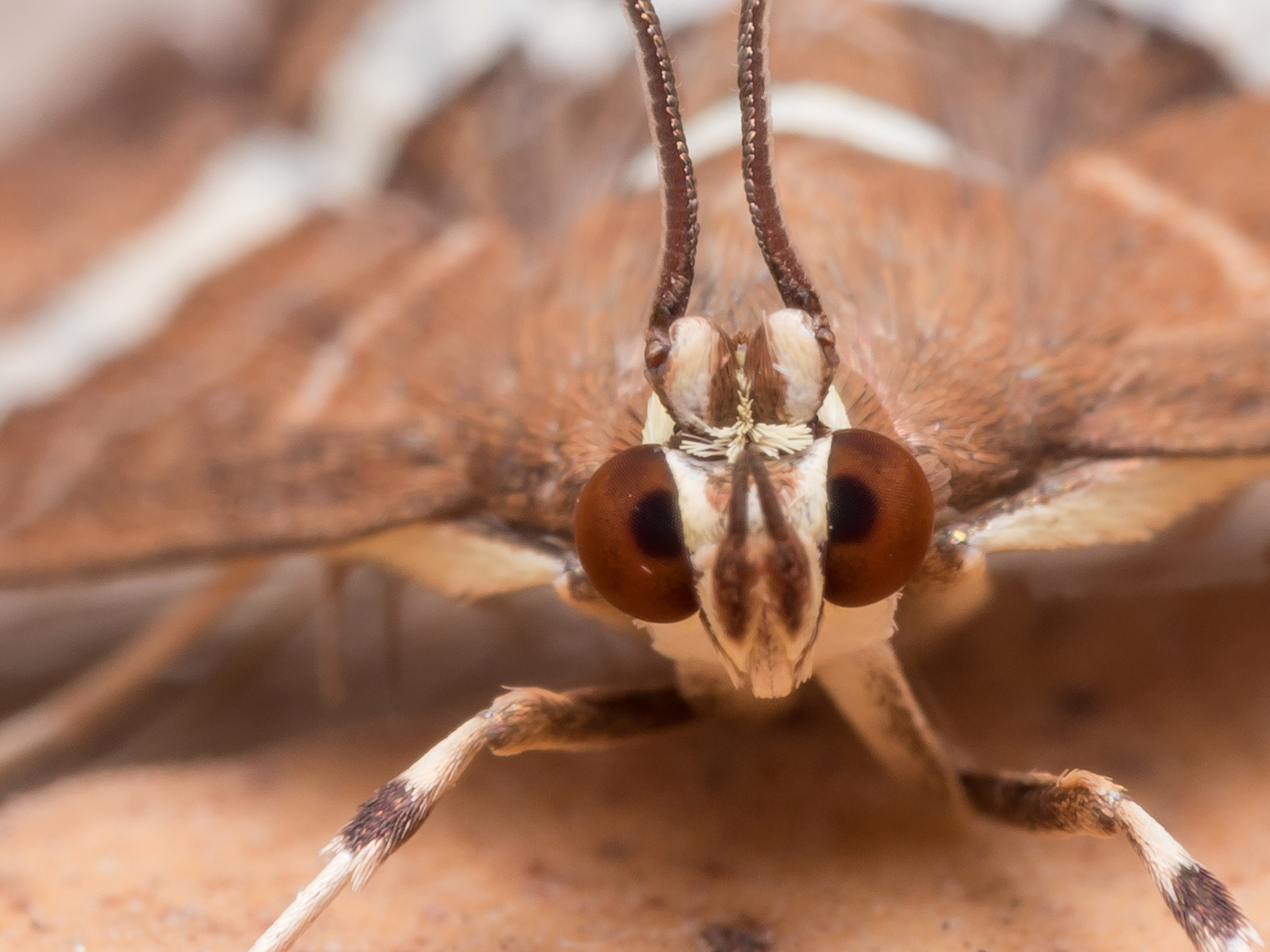
Insect Eyes Reflect Creation
Research into insect eyes continues to reveal amazing structure and function. For example, although fruit flies’ eyes are attached firmly to their...
Seals Help Swedes to Chart ’Paths of the Seas’
Swedish researchers have recently reported some newly documented “paths of the seas”1,2 thanks to some helpful (and high-tech) Weddell...
More Living Creatures Were Clearly Designed
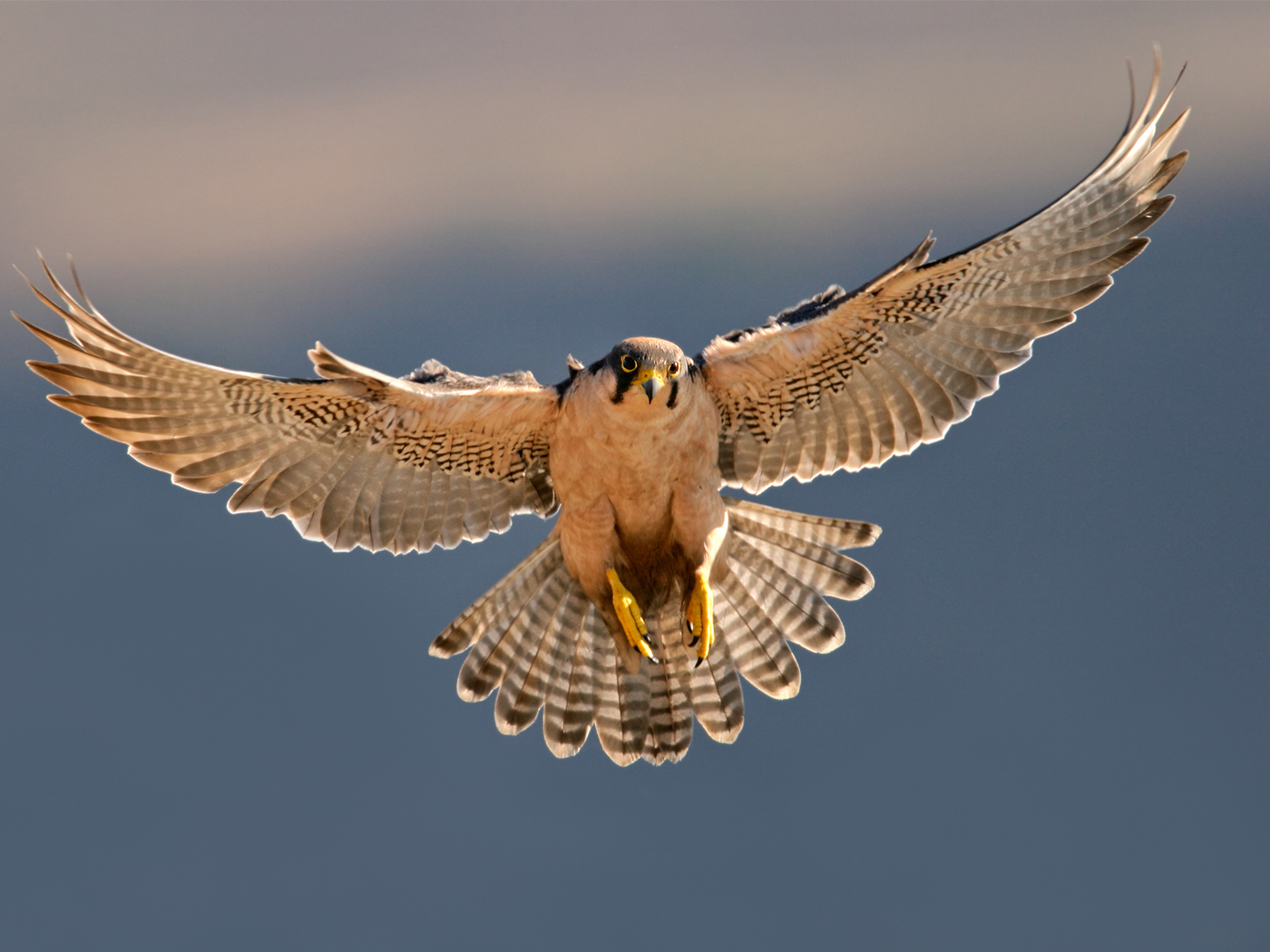
A Uniquely Designed Air-Filled Sac Within Birds’ Lungs
Soaring birds are a majestic sight to behold, especially when they undergo such climbing and endless spiraling so effortlessly. Not surprisingly, evolutionists...
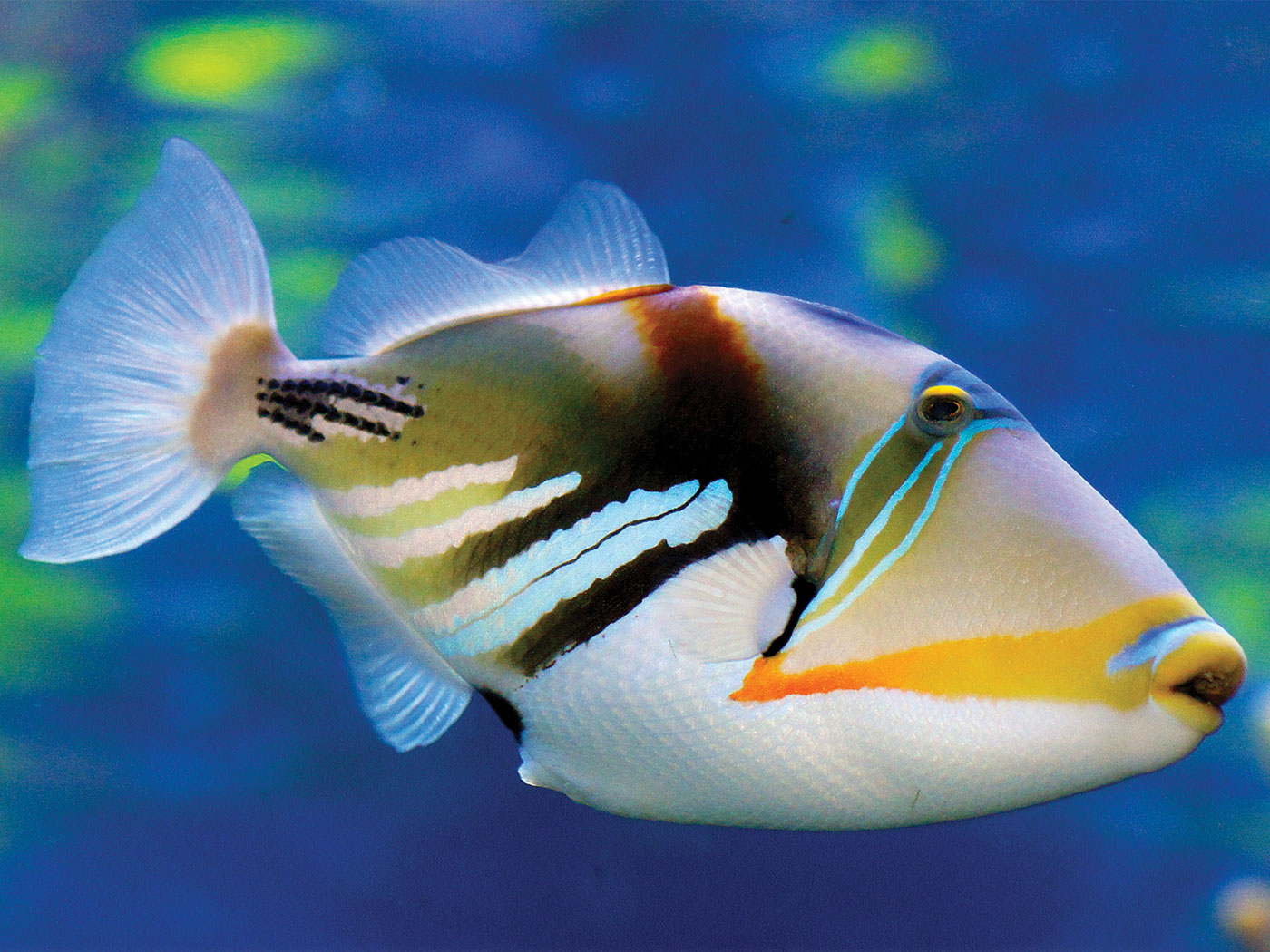
The Jaw-Dropping Design in Hawaii's State Fish
Hawaiians call their state fish the humuhumunukunukuapua’a, or humuhumu for short, and snorkelers marvel at its wild paint job as it flits...
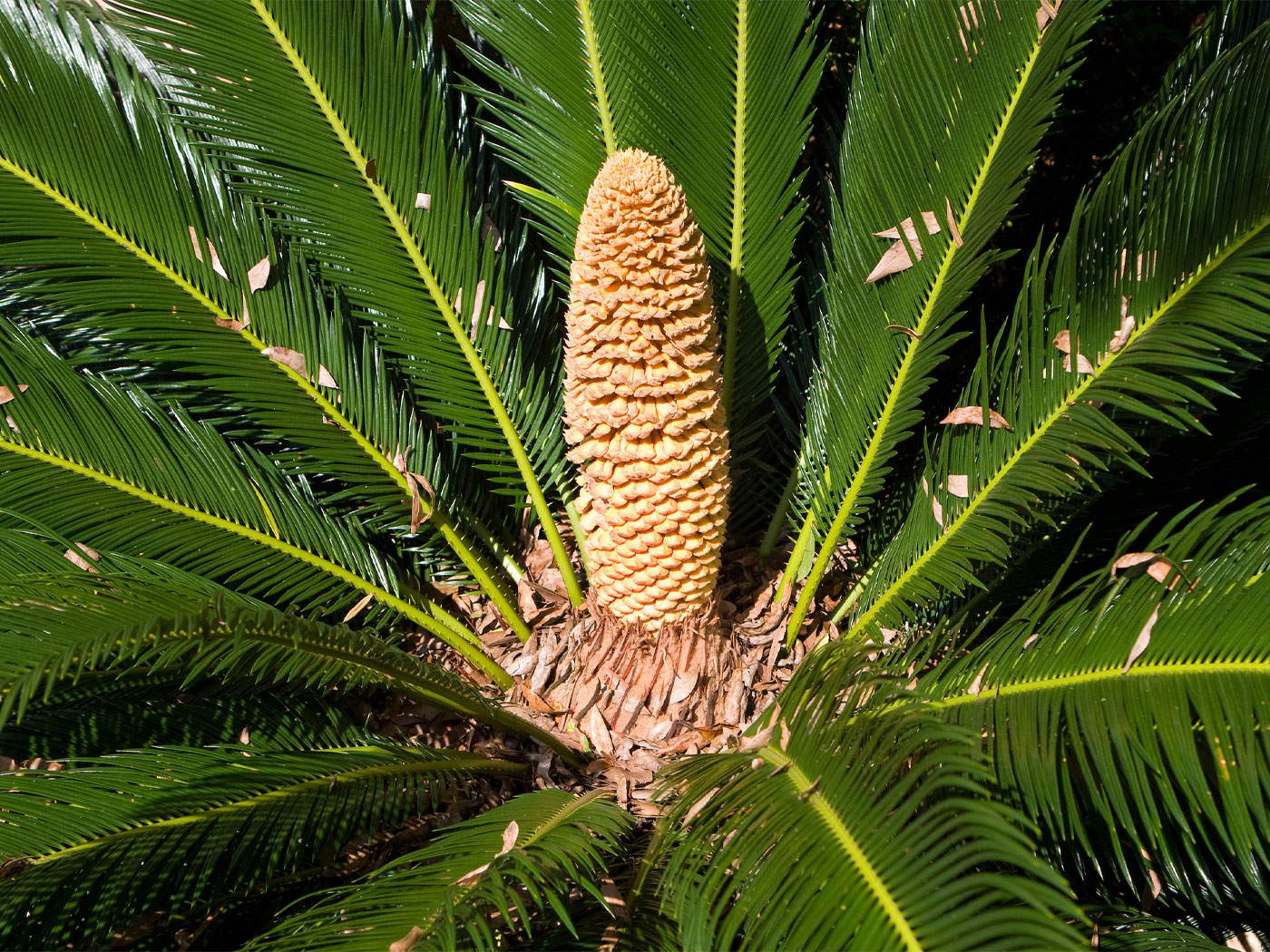
Infrared Radiation and Pollination Reflects Recent Creation
by Jeffrey P. Tomkins, Ph.D., and Frank Sherwin, D.Sc. (Hon.)*
The fascinating pollination of plants has been complex from the beginning of creation....
More Living Creatures Were Equipped to Adapt
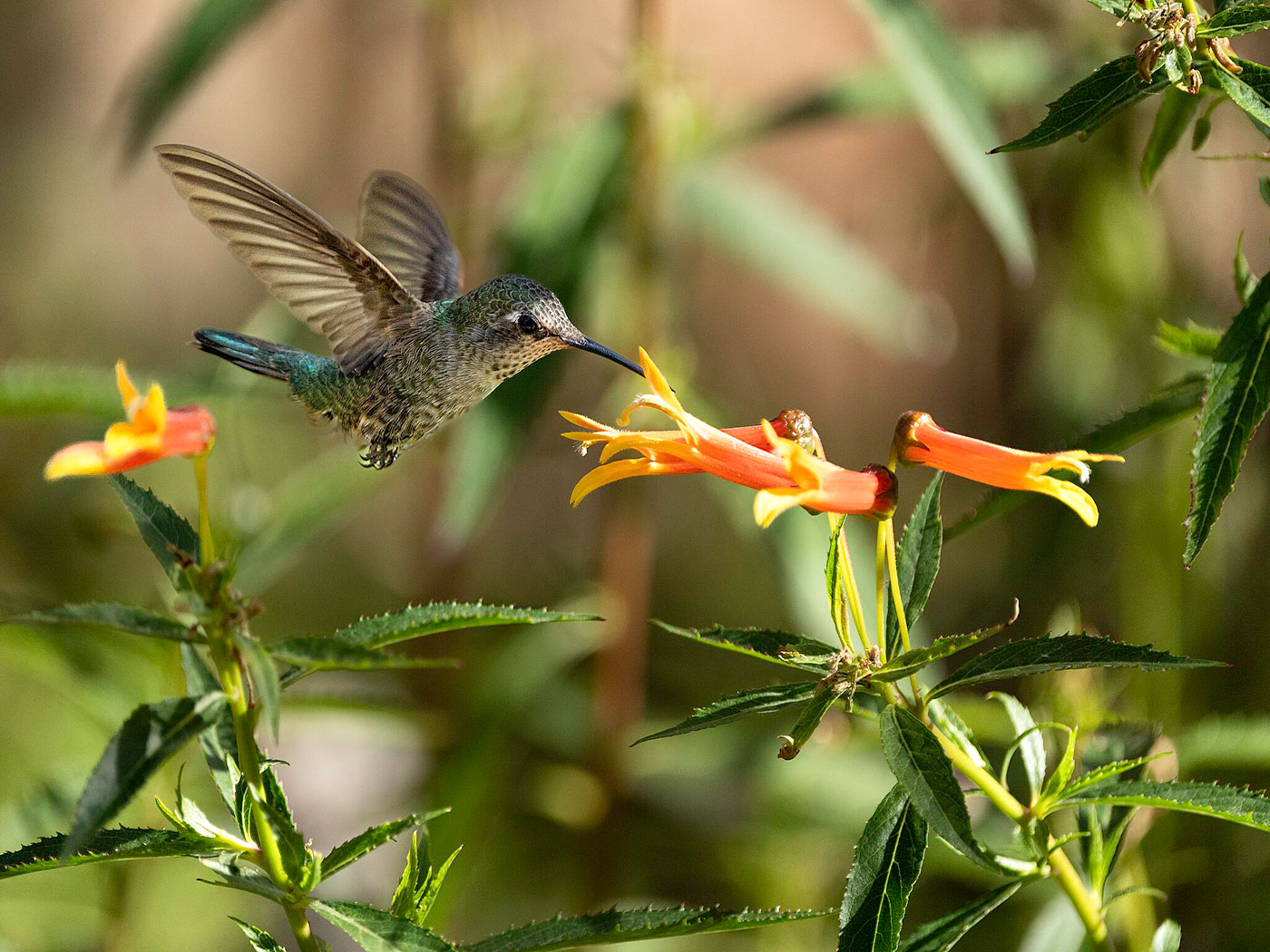
Where Did Most of Earth's Species Come From?
Evolutionary naturalism is locked into seeing the entire living world as having evolved from a single common ancestor many millions of years ago.1...
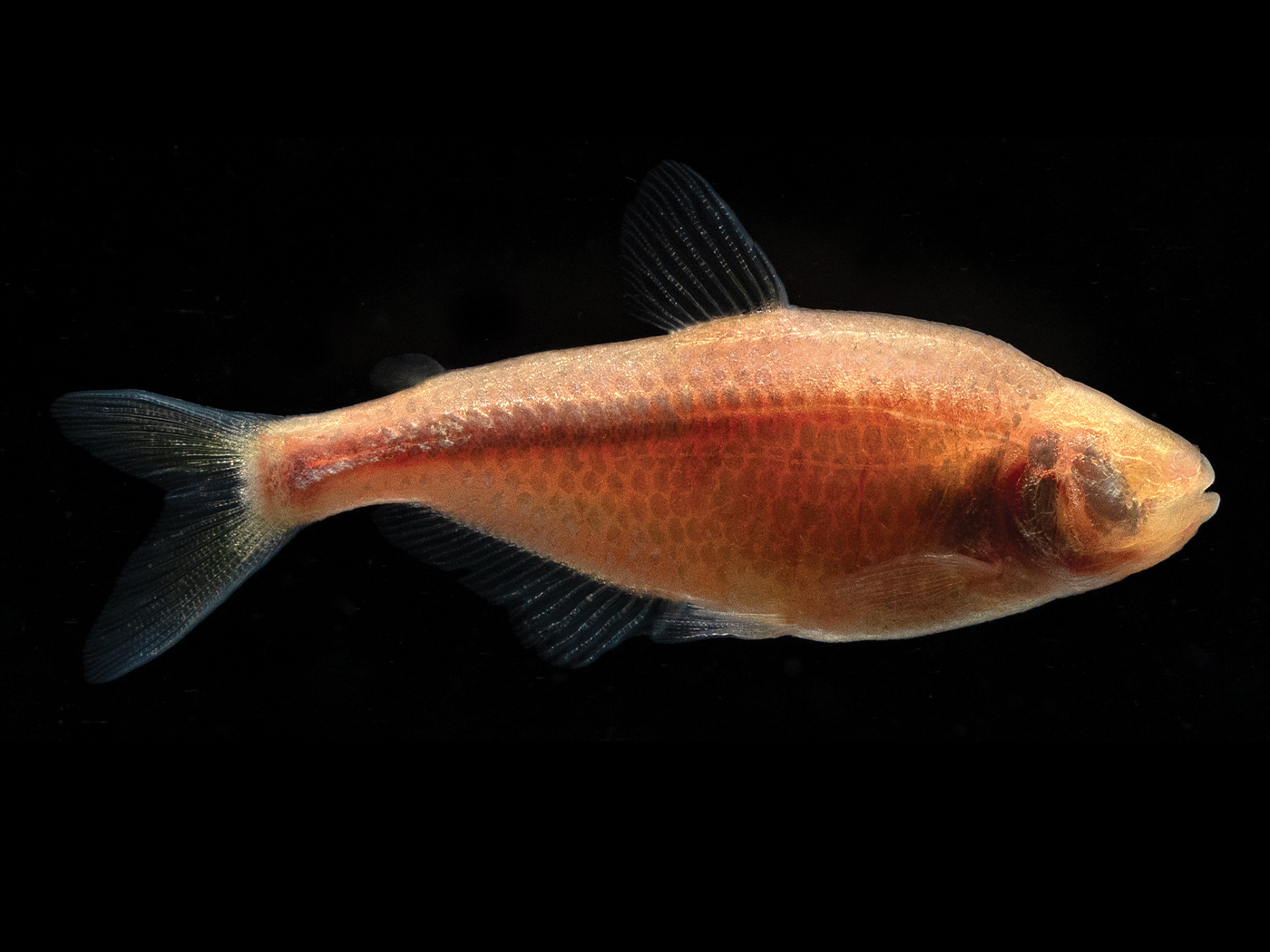
Blind Cavefish Unmask the Convergent Evolution Myth
Within the ever-expanding theory of evolution, there is a system of specialized language designed to identify each major interpretative concept. Some...

Quietly ''Devolving'' Tomatoes?
Apparently, evolution (and natural selection) can do almost anything:
If new forms appear, the credit goes to creative natural selection; if old...
More Creation Science Update

April 2026 Wallpaper
"Ask the Lord for rain in the time of the latter rain. The Lord will make flashing clouds; He will give them showers of rain, Grass in the field...
Shark Jaws
Sharks are back in the news, and it’s in regard to their most formidable and fearsome structure—their jaws.
Zoologists recently studied...
Do Bird Embryos Show Evidence of Evolving from Dinosaurs?
The majority of zoologists and vertebrate paleontologists believe that birds are actually flying dinosaurs. This even includes the world’s smallest...
The Latest
Can Metals Explain the Origin of Life?
A spark plug can make a spark, but no one would say a spark plug can build a car. In much the same way, a chemical reaction can do one useful job without...
Jumping Genes: Engineered to Move
Scientists recently found a “jumping gene” in an odd place. An RNA molecule from a tiny predatory bacterium had entered the cells of a very...
Institute for Creation Research Partners with Louisiana Baptist...
The Institute for Creation Research (ICR) announced today a strategic handover of its School of Biblical Apologetics (SOBA) educational content to Louisiana...
A Tangled Human Tree—or One Human Family?
What if the “ghosts” in our DNA are not lost steps in human evolution? A new Science study found DNA patterns that may point to two unknown...
Mapping the Sense of Smell
Your sense of smell involves much more than enjoying a hike through an aromatic pine forest or appreciating delicious foods.1,2
Our ability...
September 11, 2001: We Will Never Forget
“Fret not thyself because of evil men, neither be thou envious at the wicked: for there shall be no reward to the evil man; the candle of the...
What Can Fossil Teeth Really Tell Us?
A few tiny fossil teeth have been asked to carry a very large story. Researchers used them to name a new order of marsupials, Keeunamorphia, and to...
Man and His Labor
“Man goeth forth unto his work and to his labour until the evening.” (Psalm 104:23)
The 104th Psalm is a beautiful psalm of creation and...
Changing Climates, Stable Primates
What do you picture when you think of the first primates? Conventional scientists have long proposed warm forests, thick vines, and tropical heat as...

September Wallpaper
"[Cast] all your care upon Him, for He cares for you." (1 Peter 5:7, NKJV)
ICR's September 2026 wallpaper is now...
Shop Related Products
The Fossils Still Say No
$29.99