Beneficial types of bacteria living in our digestive system, genital tracts, and on our skin have been proven to play an important role in human health. This new study, published in the journal Cell Reports, adds to the increasing knowledge of the complexity of the symbiotic relationship we share with beneficial microbes. In this research, it was found that people with the problem of chronic nasal and sinus inflammation had fewer lactobacilli in their upper respiratory tract compared to healthy individuals.
In an applied aspect of the study, the researchers put their newfound discovery to good use. They produced a proof-of-concept nasal spray to effectively deliver lactobacilli to the nose and upper respiratory tract.
The senior author of the study, Sarah Lebeer from the University of Antwerp, was inspired to do the research based on her own mother’s battles with headaches and chronic rhinosinusitis. She stated, "My mother had tried many different treatments, but none worked. I was thinking it's a pity that I could not advise her some good bacteria or probiotics for the nose."2 Lebeer had previously been studying the effectiveness and application of probiotics for the digestive system and female reproductive tract. But in regard to the possibility of using probiotics for the nasal cavity, she noted, "No one had ever really studied it."
The research team developed their study by comparing nose and sinus bacteria between 100 healthy people and 225 chronically afflicted rhinosinusitis patients. They specifically looked at the prevalence of 30 different types of bacteria and discovered that the healthy individuals contained a greater abundance (up to ten times more) lactobacilli than the sick patients. Lactobacilli are beneficial, rod-shaped bacteria that help inhibit sinus infections from bad bacteria by producing lactic acid.
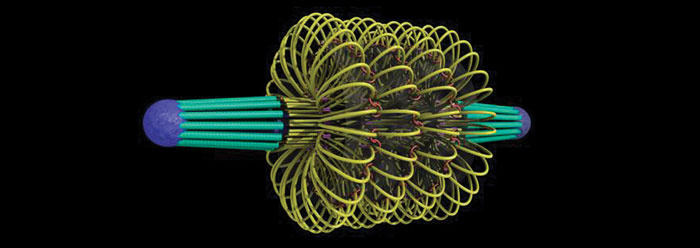
When the researchers more closely analyzed the specific strain of lactobacillus, they discovered some unique features that enabled it to optimally adapt to the environment of the nose and sinuses. While most types of lactobacilli prefer to live in the absence of oxygen, this specific type contained unique genes allowing it to thrive in the high oxygen levels of the nose and sinus. Another amazing feature of this bacteria was the presence of long, flexible, hair-like tubes called fimbriae which allowed them to latch onto the surface of the nose and sinuses. The researchers were also impelled to acknowledge that this complex mutually beneficial adaptation was an important interfacing point of interaction between the bacteria and the human host.
Not only do individual creatures exhibit amazing adaptive design and complex design, but so does symbiotic interactions that now seem to pervade the entirely of life. Without these exquisitely designed multilevel systems, healthy living would be nearly impossible. Such complex interfacing interactions speak directly to the Creative genius of our Mighty Creator God. All of this incredible complexity vindicates the Bible which proclaims in Romans 1:20-22,
For the invisible things of him from the creation of the world are clearly seen, being understood by the things that are made, even his eternal power and Godhead; so that they are without excuse: Because that, when they knew God, they glorified him not as God, neither were thankful; but became vain in their imaginations, and their foolish heart was darkened. Professing themselves to be wise, they became fools.
Stage image: Scanning electron microscopy image of the Lacticaseibacillus casei AMBR2 strain from the nose.
Stage image credit: De Boeck et al. / Cell Reports. Copyright © 2020. Adapted for use in accordance with federal copyright (fair use doctrine) law. Usage by ICR does not imply endorsement of copyright holders.
References
1. De Boeck, I. et al. 2020. Lactobacilli have a niche in the human nose. Cell Reports. 31 (8).
2. Cell Press. Humans have beneficial bacteria uniquely adapted for life in our noses. PhysOrg. Posted on Phys.org May 26, 2020, accessed May 28, 2020.
*Dr. Tomkins is Life Sciences Director at the Institute for Creation Research and earned his doctorate in genetics from Clemson University.