What if so-called rapid evolution is not a process of building something new, but it simply reveals what was already there? A recent peer-reviewed study in Science reports that certain DNA segments, called supergenes, may help cichlid fish adapt quickly through large chromosomal inversions that preserve sets of traits.1 Conventional scientists say this shows evolution can move faster than expected. A related report from ScienceDaily highlights how these DNA changes help fish adjust to new environments.2 But this demonstrates design, not evolution. Living things show built-in flexibility, while their core systems remain fixed. This balance is what we would expect from good design. It reflects a system that can respond to change without losing stability.
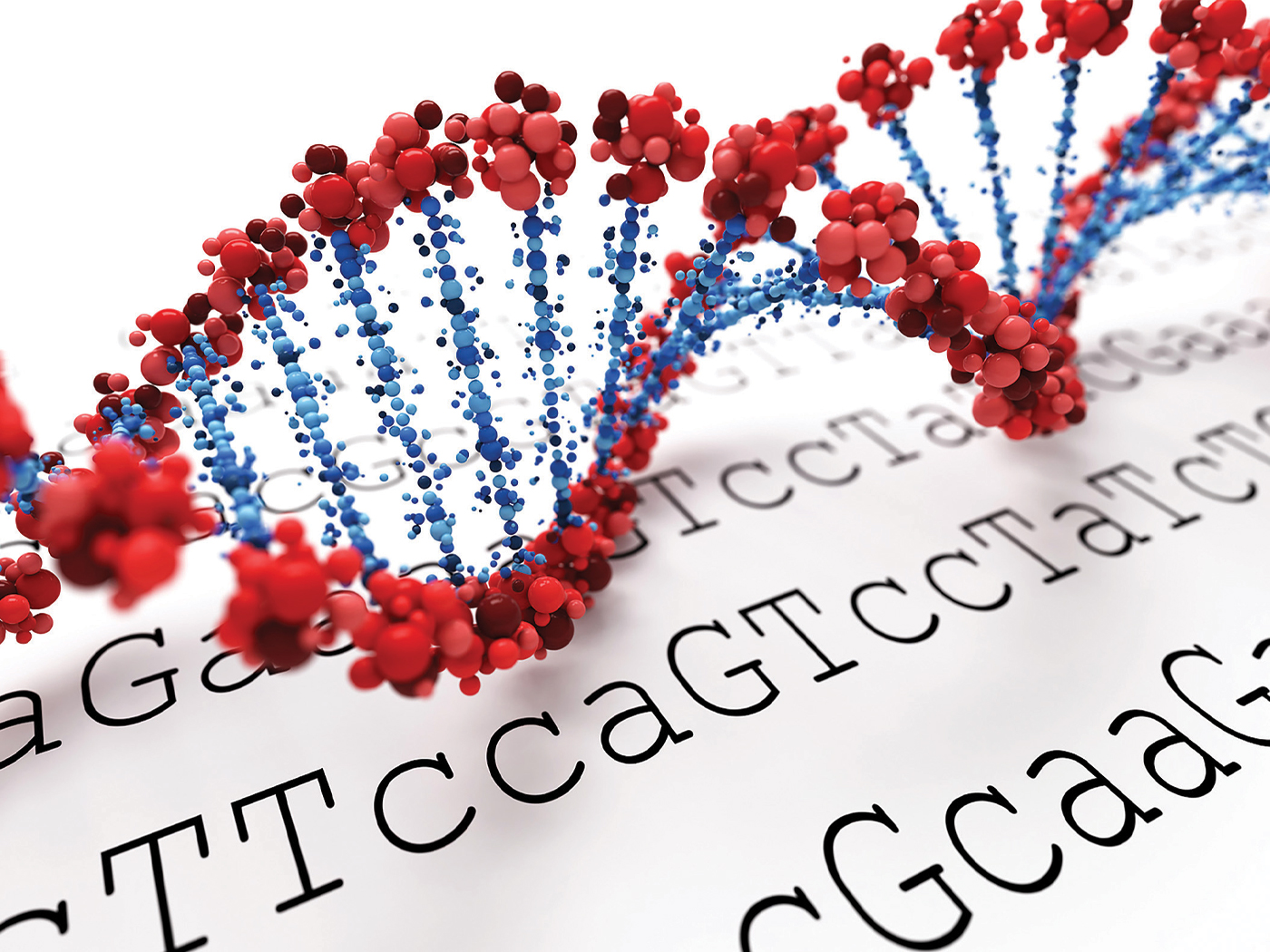
The study describes sections of DNA that can be flipped or rearranged.1 These segments hold groups of traits that work well together. When conditions change, these groups stay intact and help the organism survive. In simple terms, the system keeps useful parts together instead of breaking them apart to help maintain function even under stress.
This looks less like new invention and more like smart organization. In engineering, systems often use modules (prebuilt units that perform a function) that can be switched or reused without redesigning the whole system. Supergenes act in a similar way. They manage existing information rather than create new information. Such a role aligns with prior work noting that genetic systems depend on already present information.3
This leads to a clear pattern in biology—flexibility at the surface level. Traits like color, behavior, or environmental tolerance can shift, as seen in the cichlid fish. But deeper systems stay stable. Body plans, organ systems, and developmental processes do not change, showing a mix of flexibility and limits that is consistent with observed boundaries in biological change.4
The study also suggests these changes may lead to new species. However, “species” can be defined in different ways. Often, it describes small differences within a larger group. Fish populations may vary, but they remain fish. The study does not show the rise of new body plans or new biological systems. Again, the changes remain within clear biological boundaries. This matches Scripture in how it describes living things reproducing “according to their kind” (Genesis 1:21).
The coordinated nature of these DNA segments is important as well. Supergenes preserve groups of traits that must work together. If those traits were separated, the system could fail. This kind of coordination reflects careful arrangement. In engineered systems, such coordination is planned and not left to chance.
Taken together, the findings show designed adaptability. Organisms can respond to change by using built-in options. At the same time, their core systems stay intact, which is exactly what we see in well-designed systems. Living things are not endlessly plastic. They are structured, stable, and capable of adjustment within limits—evidence of intentional design.
References
- Blumer, L. M. et al. 2025. Introgression Dynamics of Sex-Linked Chromosomal Inversions Shape the Malawi Cichlid Radiation. Science. 388 (6752).
- University of Cambridge. Scientists Just Found DNA “Supergenes” That Speed Up Evolution. ScienceDaily. Posted on sciencedaily.com April 1, 2026.
- Sanford, J. C. 2014. Genetic Entropy & the Mystery of the Genome, 2nd ed. Canandaigua, NY: FMS Foundation.
- Jeanson, N. T. 2010. The Limit to Biological Change. Acts & Facts. 39 (7): 6.
* Dr. Corrado earned a Ph.D. in systems engineering from Colorado State University and a Th.M. from Liberty University. He is a freelance contributor to ICR’s Creation Science Update, works in the nuclear industry, and is a Captain in the U.S. Naval Reserve.