



Most people might be surprised to learn that the human genome has not been fully sequenced. Gaps still remain that have not yet been bridged because of the nature of the DNA sequence coupled with past limitations on DNA sequencing technology. Nevertheless, a study has just been published using new and improved technologies that have allowed for the first complete sequence of a human chromosome.1
Sequencing the complete human genome was first proposed and begun in the late 1980s, but did not pick up steam until the 1990s when robotic automation was applied to the process.2 In fact, the basic chemistry undergirding the sequencing process, known as Sanger-style sequencing originally invented in the 1970s, did not get usurped until about 2005 as new chemistries and technologies began to become available. The latest technologies, which allow for much larger snippets of DNA to be sequenced, have had a particularly large impact the past few years.
Because of past technology limitations, it has been difficult to sequence certain regions of the human and other vertebrate genomes and then assemble the numerous snippets afterwards. Because the older style DNA sequencing produced very short snippets of sequence and certain regions of chromosomes had groups of DNA letters (words) that were repeated over and over, it was difficult to computationally reconstruct long contiguous repetitive DNA stretches. New, long-read technologies that produce extremely long snippets of DNA are now allowing these difficult regions to be traversed.
This newly reported study presents a human genome assembly that markedly surpasses the continuity of the previous version, along with the first gapless, end-to-end reconstruction of a human chromosome.1 The researchers focused their efforts on a sex chromosome called the X chromosome. Females have two copies of the X chromosome and males have one X and one Y chromosome. Most importantly, these results demonstrate that completing the entire human genome is now within reach.
So what does this new study imply for the evolutionary story, particularly ape-to-human evolution? Quite interestingly, a variant of the new long-read sequencing technology was applied to chimp DNA and published in 2018.3 The researchers discovered that previous versions of the chimpanzee genome had been humanized because the human genome had been used as a guide to assemble the chimp DNA snippets. Furthermore, several independent studies using the new chimp DNA sequence were published showing that the chimp and human genomes could be no more than 85% similar to each other. Since many of these new regions in humans are being sequenced for the first time, as reported in this new study, which are already known to be dissimilar between chimps and humans (e.g. centromeres), it is likely that the numbers for human and chimp DNA dissimilarity will only grow larger.
References
1. Miga et al. 2020. Telomere-to-telomere assembly of a complete human X chromosome. Nature. DOI: 10.1038/s41586-020-2547-7.
2. Tomkins, J. 2011. How genomes are sequenced and why it matters: implications for studies in comparative genomics of humans and chimpanzees. Answers Research Journal. 4: 81-88.
3. Tomkins, J. P. 2018. Separate Studies Converge on Human-Chimp DNA Dissimilarity. Acts & Facts. 47 (11).
*Dr. Tomkins is Director of Research at the Institute for Creation Research and earned his doctorate in genetics from Clemson University.
First Human Chromosome Fully Sequenced
More DNA Was Created as a Reservoir for the Information of Life
RNA Ties and Unties Itself
There are two types of nucleic acids (genetic molecules): DNA and RNA. DNA (deoxyribonucleic acid) is a large linear molecule designed to store genetic...
'RNA World' Paper Retracted
The whole concept of how life originated is an insurmountable naturalistic hurdle. Life requires DNA, RNA, and protein in an interdependent triad in...
Another Horizontal Gene Transfer Fairy Tale
As the genomes of many new creatures rapidly fill the public DNA sequence databases, the problems for the grand evolutionary story are becoming overwhelming....
More Variation Is Limited within Kinds
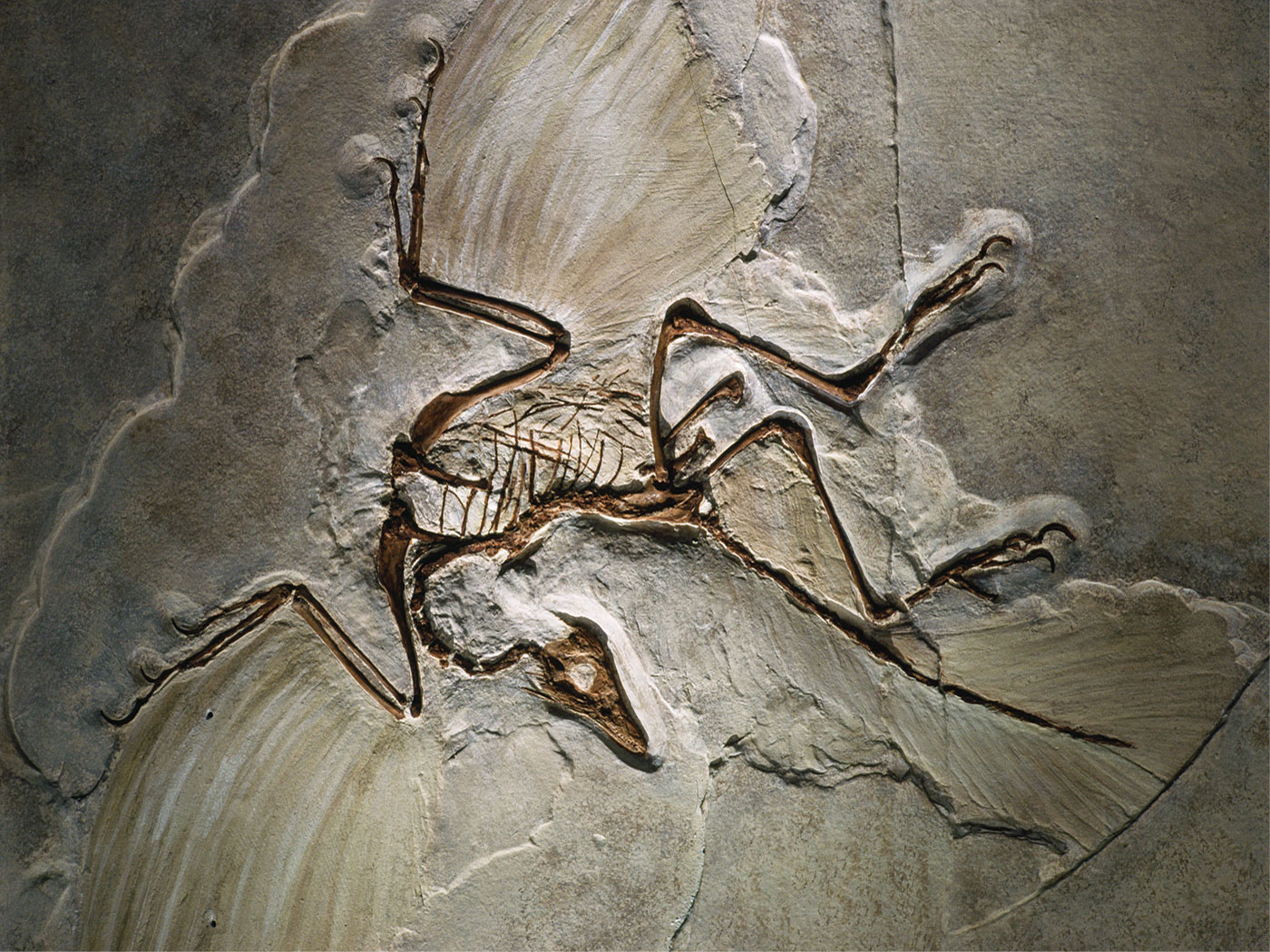
The Push for Feathered Dinosaurs: A Little Background
Editor’s note: ICR warmly welcomes paleontologist Dr. Gabriela Haynes to our science faculty. Her testimony of a shrinking faith brought back...
Giant Virus, Big Claims: Does Ushikuvirus Explain Compl.,.
A newly discovered giant virus called ushikuvirus has been described by conventional scientists as a possible clue to how complex cells evolved. But...
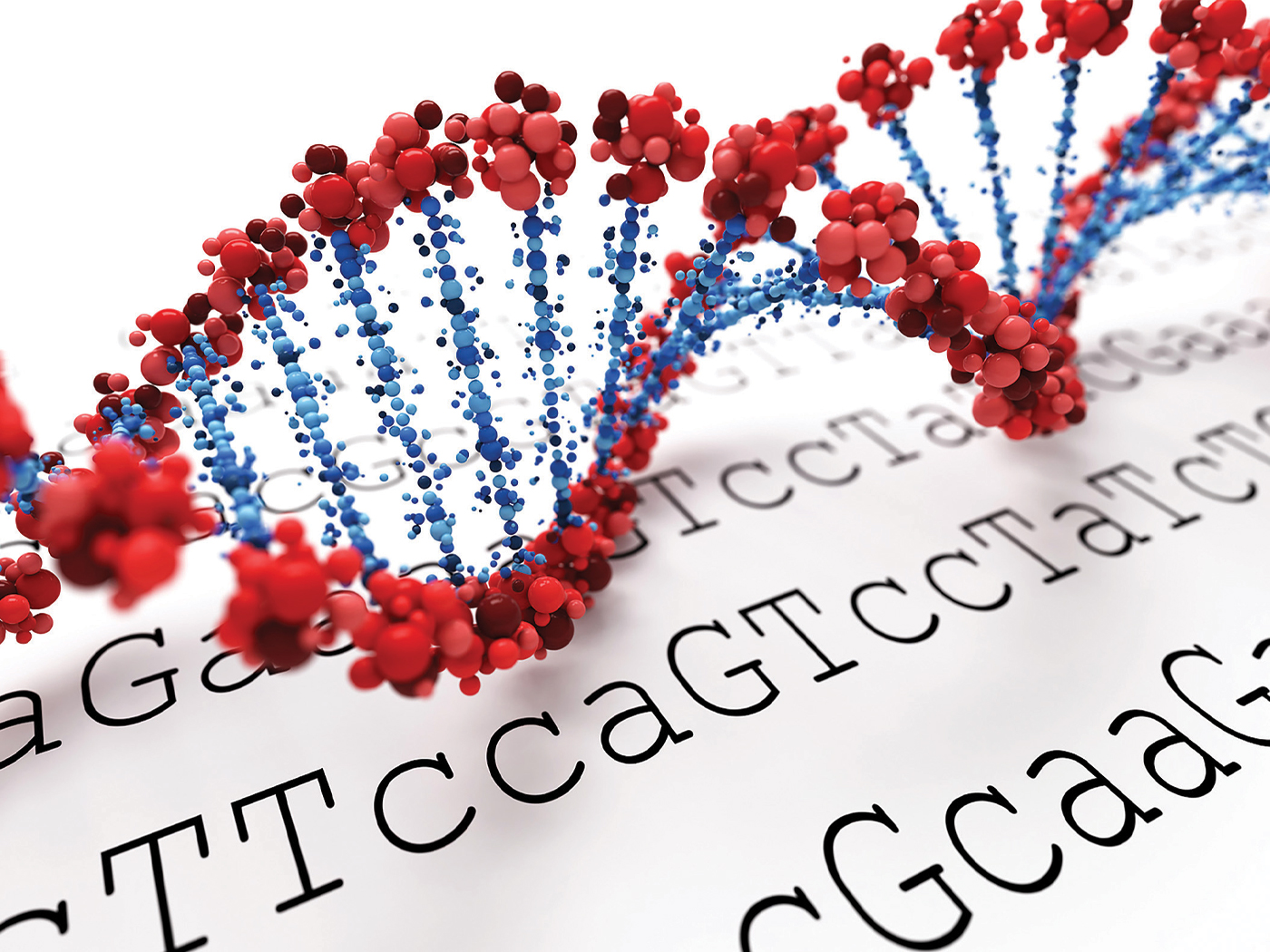
Adaptive Trait Variation Conferred by Engineered Geneti.,.
Global environments are highly diverse and dynamic, offering many changes and adaptive challenges to creatures. However, DNA sequence variability engineered...
More Man Was Created by God
Viking DNA Highlights Post-Babel Genetic Diversity
The standard theme often given for Viking history is that of blond-haired, blued-eyed, burly men exploring, trading, ransacking, and pillaging across Europe,...
Event Recap: ICR Scientists Examine Human Origins
Last month, the ICR Discovery Center hosted “Origins: Re-examining the Evidence,” a special event featuring three of ICR’s scientists—experts...
Top 2015 News: Human Origins
Did mankind come from Adam? Did nations arise from families dispersed from Babel, found in modern-day Iraq? Genesis says, "These were the families...
More Genetics
Alleged Protocells
In a February 1, 1871, letter to his best friend, botanist Joseph Dalton Hooker, Charles Darwin suggested a warm little pond was the site where primitive...
Latest DNA Tech Still Light-Years Behind
Let’s say you recorded a library of books onto DNA. Hundreds of books could fit on your fingertip, but how would you find the one book you wanted?
As...
Human Genome 20th Anniversary…Junk DNA Hits the Trash
The first rough drafts of the human genome were reported in 2001 (one in the private sector and one in the public sector).1-2 Since then, after...
More Contrasting Worldviews
Have Scientists Found Life on Venus?
Secular scientists are obsessed with attempting to show that life on Earth is not unique and therefore must exist, if not elsewhere in our solar system...
Is Evolution ’Fake Science’?
The organization BioLogos, which advocates that Christians accept secular evolutionary claims, recently published an online essay entitled “How to...
Rapid Crystal Growth Supports Flood Model
Secular scientists are finding exactly what Flood geologists have predicted all along—huge crystals can and did grow extremely fast. In other words,...
More Science
Physics Today Article Ignores Monster Milankovitch Problem
An overview of the Milankovitch (or astronomical) ice age theory appears in the May 2020 issue of Physics Today.1 This theory (hypothesis, really)...
Yellowstone Super-Eruptions Declining
Recently, renewed activity has had scientists, and the general public alike, alarmed about an impending supervolcano eruption at Yellowstone.1...
Our Calm Sun: Crazy Coincidence or Deliberate Design?
The unique nature of the sun is causing many experts to scratch their heads.
Extensive studies show that most sun-like stars demonstrate about five...
More Man Was Created Distinct from Apes
3-D Human Genome Radically Different from Chimp
All plant and animal genomes studied so far exhibit complex and distinct three-dimensional (3-D) structures in their chromosome configurations depending...
Why High-Speed Throwing Is Uniquely Human
What body structures uniquely equip humans to throw objects frequently, at high speeds, and—for the practiced—with great accuracy? Research...
Gorilla Genome Is Bad News for Evolution
Evolutionists have long maintained that modern primate species (including, in their view, humans) are branches on an evolutionary tree that lead back...
More Creation Science Update
Built by Homo sapiens?
Preserved wood was recently found in Kalambo Falls, Zambia, where evolutionary anthropologists from Aberystwyth University and the University of Liverpool...
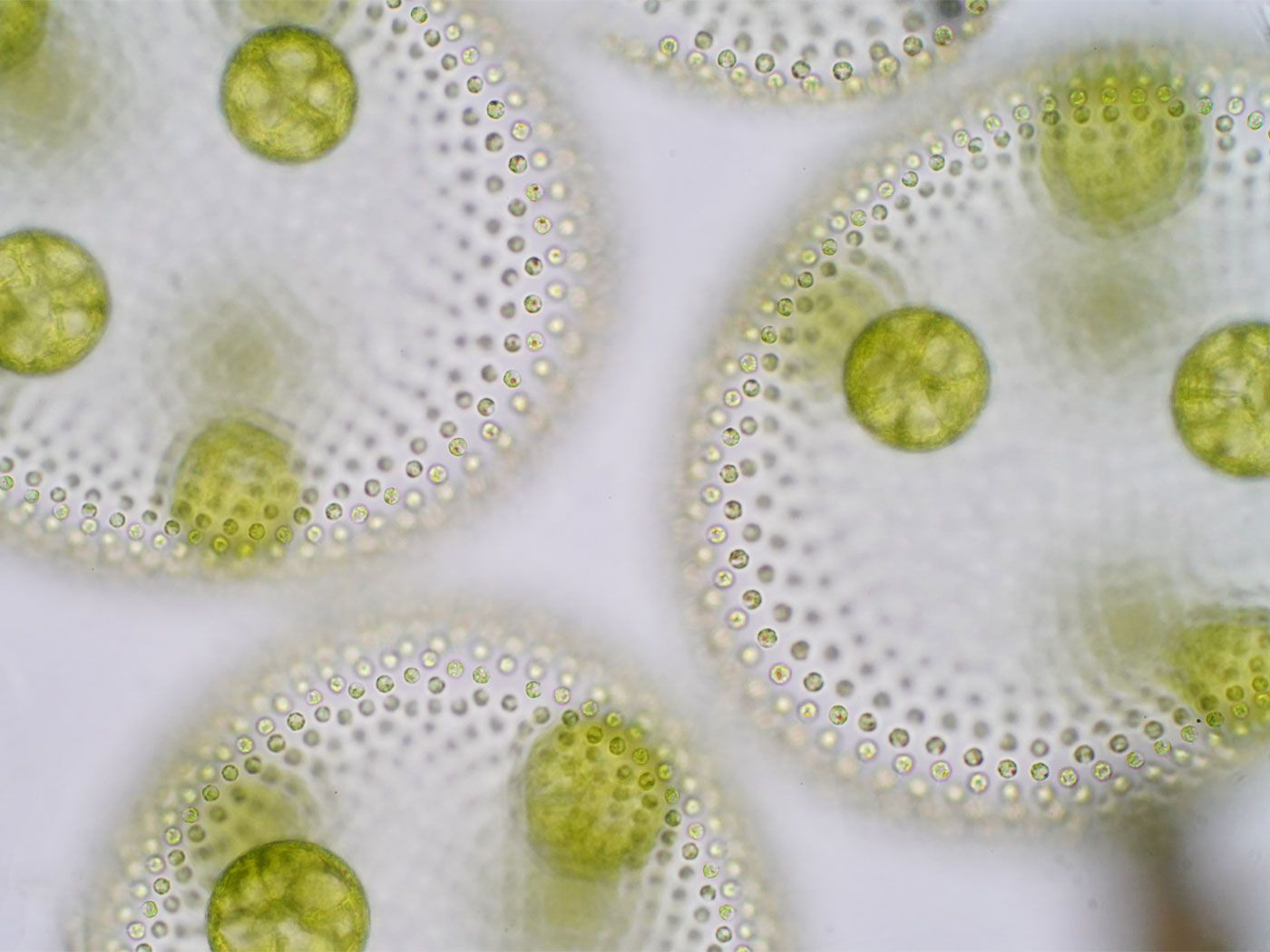
Microscopic Ingenuity: Stentor and the Case for Intelli.,.
What if the smallest creatures held the biggest clues to life’s design? A 2025 study in Nature Physics investigates the remarkable behaviors of...
From Suffering to Glory: Romans 8:18-30
Why is there travail, sorrow, and ultimately death in this life? Why does God allow this to happen to His children? Per Romans 8:20, “for the creation...
The Latest
Hummingbird Hawkmoth Exhibits Astonishing Abilities
The incredible hummingbird hawkmoth (Macroglossum stellatarum), and other insects of the Lepidoptera order, continue to amaze entomologists.1,2...
More Than Just Parts: The Networking of Cells
An engineer can list every part in a system and still miss how it works. Think of a radio. Its parts matter, but so does the wiring that joins them....
Living Centenarian Sturgeon: Extreme Genesis Longevity Is Plausible
Native American oral tradition contains stories of sturgeon living for centuries. While this was largely seen as folklore among conventional scientists,...
Brainy Bees Solve Pollen Problem
The uncanny abilities of the honeybee cause entomologists to shake their heads in wonder.1,2
Scientists have long known that honeybees...

October Wallpaper
"Be anxious for nothing, but in everything by prayer and supplication, with thanksgiving, let your requests be made known to God; and the peace...
Possible Ark Site Has Mainstream Media Hopping
An organization named Noah’s Ark Scans is investigating a site called Durupinar, almost 20 miles from Mount Ararat in Turkey. Could it contain...
ANNOUNCEMENTS
Heroes of Creation Science: Henry M. Morris
“The creation/evolution issue is, in a very real sense, the most fundamental issue of all.” —Henry M. Morris
Many people believe the...

Creation Kids: Fungi
Hi, kids! We created a special Acts & Facts page just for you! Have fun doing the activities while learning about the wonderful world...
APOLOGETICS
What is True and False?
by Patrick C . Marks, D. Min., and Brian Thomas, Ph.D.*
In the first article of this series, we explained that truth—that which matches reality—is...
The Cambrian Layer: Explosion or Burial?
The lowest sedimentary layer, rich in hard-shelled fossils, is known as the Cambrian record. Beneath it is the Precambrian, which contains far fewer...
Shop Related Products
The Fossils Still Say No
$29.99