




The Only Mesozoic Dragonfly in Canada—Is a Dragonfly
In 2023, an undergraduate student from McGill University discovered a new dragonfly species in Alberta, Canada. In fact, “This is the first ever dinosaur-aged dragonfly found in Canada,” said paleontologist Andre Mueller of McGill University.1 Paleontologists are claiming it’s a missing link.
Flood Tsunamis Transported Trees and Amber
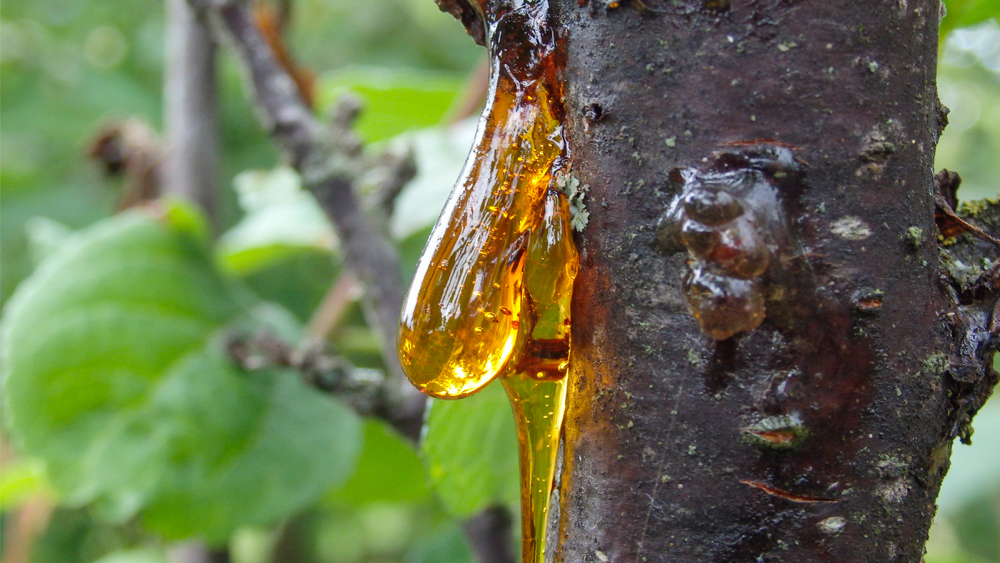
A recent study published in Scientific Reports found strange globs of tree resin (amber) mixed within claimed ancient (Cretaceous) deep-water sediments on Hokkaido Island in northern Japan.1 This is the first reported instance of amber in what’s interpreted as a deep ocean setting.
Sedimentary Rock Does Form Fast!
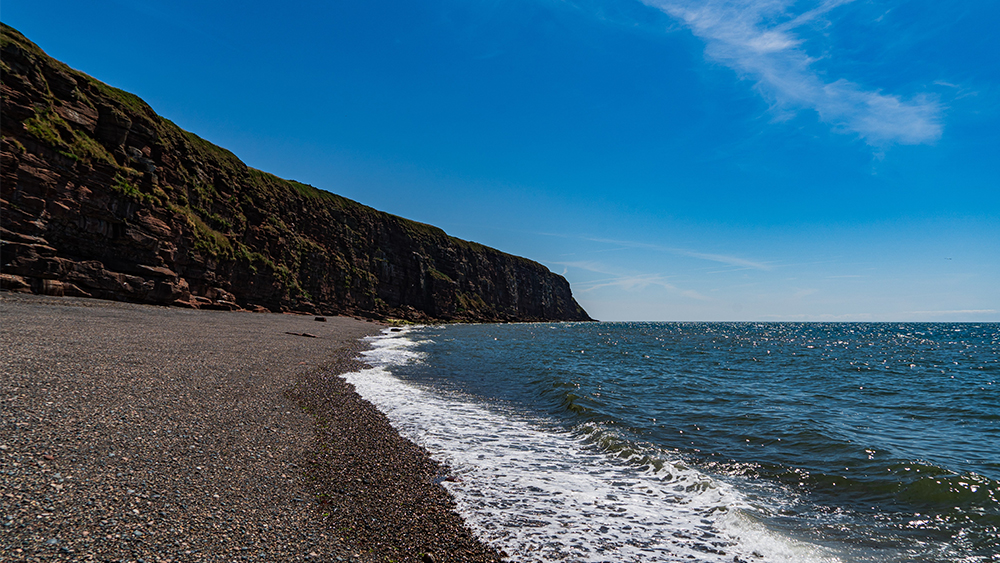
A recent study published in Geology found that sedimentary rock can form in as little as 35 years.1,2 Before this, conventional geologists thought these types of rocks took vast amounts of time to erode, consolidate, and lithify. What they discovered along the coast of Scotland caused them to quickly change their minds.
A Big Texas Fossil Possum Is a Primate Ancestor?
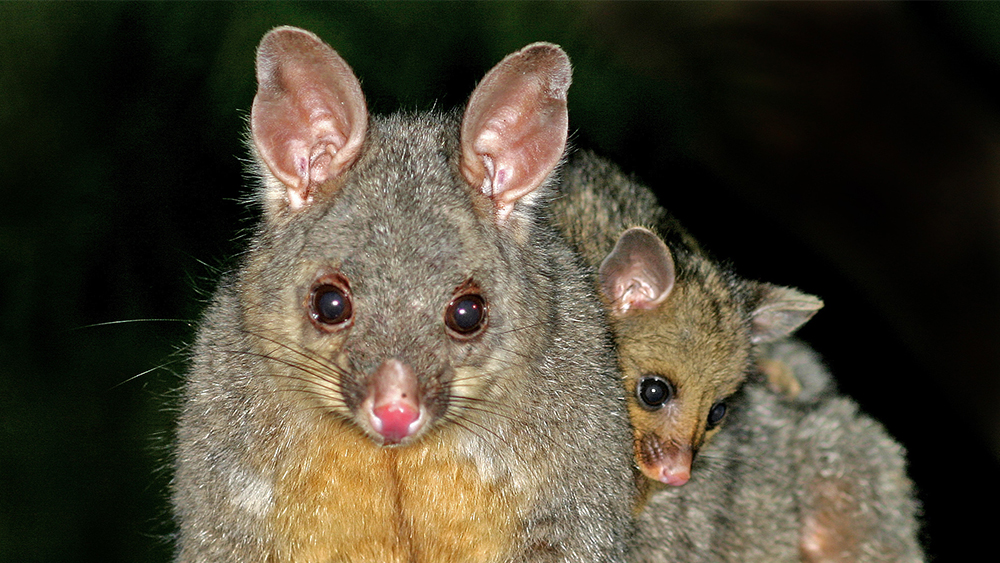
Recently, University of Kansas paleontologists discovered a fossil of what they think is a “near-marsupial.”1 It is called Swaindelphys and was found in Big Bend National Park, Texas. Conventional scientists interpret Swaindelphys as a large extinct possum.
Yet Another Revised Age for the Land-Animal Ancestor
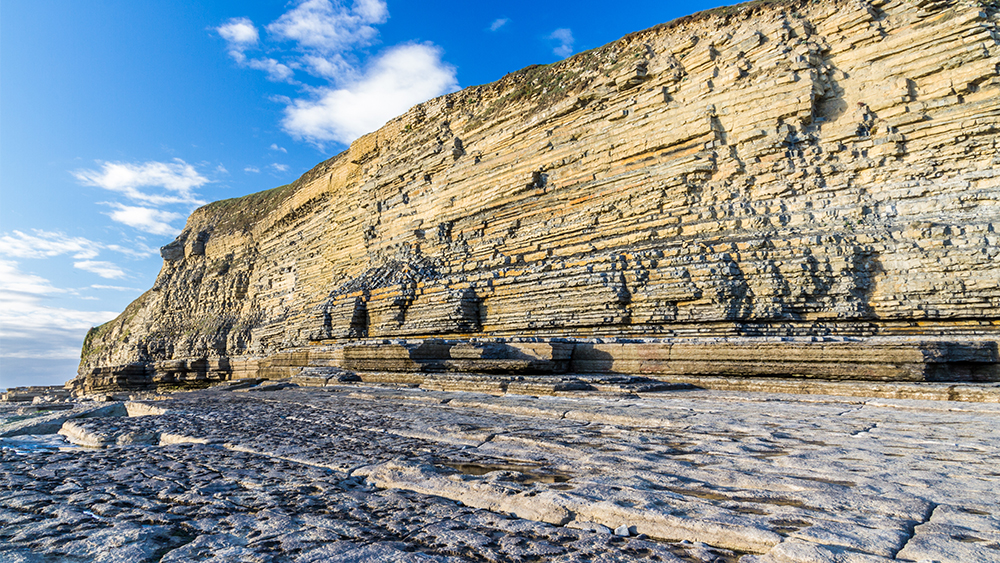
An allegedly vital piece of animal evolution was first discovered in 1984 in Scotland. Conventional scientists suggested the fossil of Westlothiana lizziae, a lizard-like reptile, is an example of an early stem tetrapod.
Pages
