



Seeing Eye-to-Eye
Like all biological structures, explaining the vertebrate eye—or any eye for that matter—is a challenge to neo-Darwinism (modern synthesis). When conventional scientists attempt to describe eye evolution, they begin with a simple or “primitive” visual system and extrapolate, vaguely gesturing to mystical evolution by natural selection, to explain the highly sophisticated vertebrate eye.
Does Earth Have a Twin?
A possible Earth-like planet 146 light-years away has recently been discovered by citizen scientists.1 The evolutionary community is cautiously optimistic that this planet could host life. What are the chances that this could very well be Earth 2.0?
The Lipstick Vine: Evidence of Designed Adaption
In their desire to validate the questionable case for evolution, conventional biologists will appeal to local adaptation, variation, and ecological speciation as supporting evidence. This is exactly what happened with recent research regarding lipstick vine (Aeschynanthus) speciation.1
Complex Calls Confirm Creation
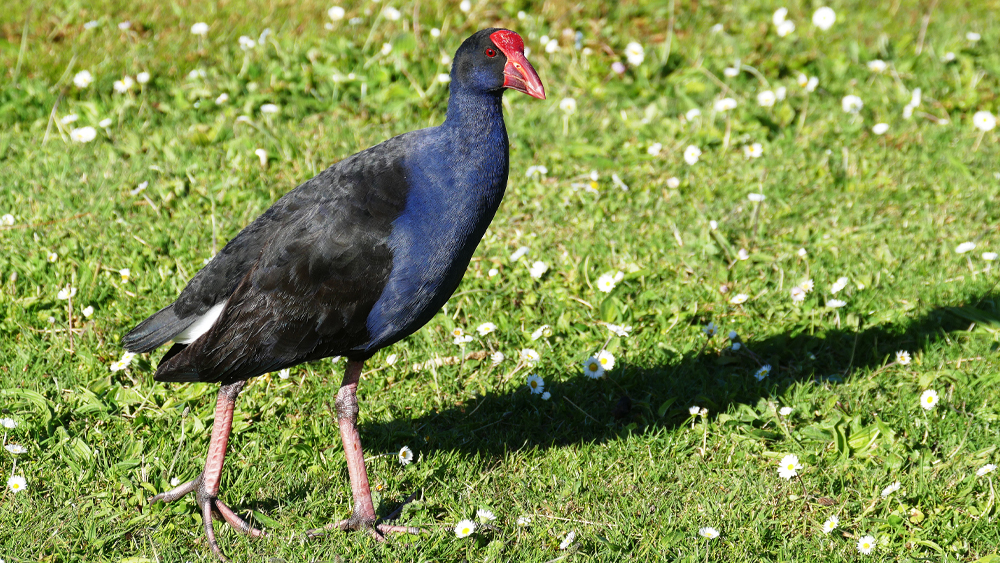
Bird calls are something we often take for granted. After all, when we listen to them, we hear squawks, warbles, and chirps. Could there actually be information, something complex, that they’re transmitting? Scientists now say “yes” after studying a fun-sounding bird from New Zealand—the pukeko.1
Secrets of Pre-Flood Ecosystems and Atmosphere Revealed
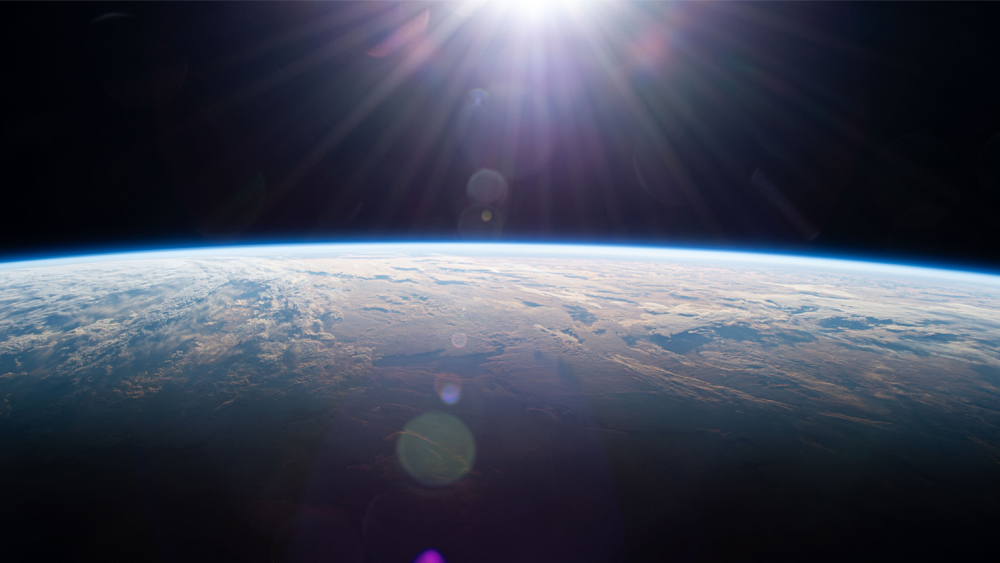
What was the pre-Flood world like thousands of years ago?1,2 With the advent of unearthing soft tissues in fossils,3 creation scientists continue to construct a picture of the world before the Flood.
Pages
