


“In the beginning God created the heavens and the earth.” Genesis 1:1
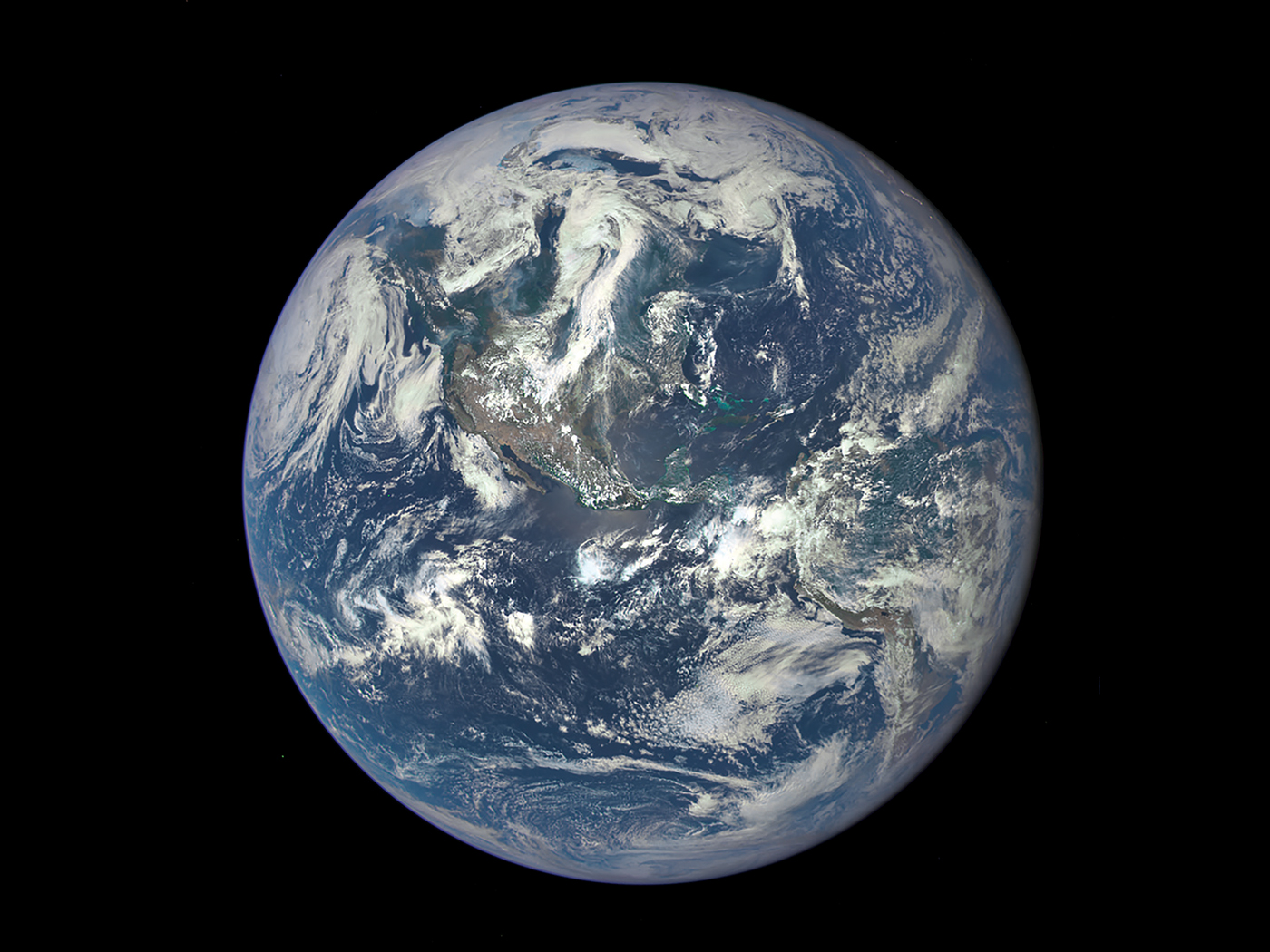
The first biblical declaration in Genesis 1:1 is arguably also the most important, for it is foundational to the rest of God’s revelation about Himself in the Bible. Many Scripture passages tell us what God is like—that is, they give us a glimpse of His attributes. He is holy (Isaiah 6:3), merciful and gracious (Exodus 34:6), loving (1 John 4:7), all-powerful (Matthew 19:26), omnipresent (Psalm 139:7–10), and all-knowing (Psalm 147:5). He is one God (Deuteronomy 6:4) but a Trinity of three persons: Father, Son, and Holy Spirit (Matthew 28:19).
But Genesis 1:1 doesn’t merely tell us what God is like; it tells us who God is. Fundamentally, He is the Creator! This truth is repeatedly affirmed throughout Scripture (Genesis 1:27; Psalm 104:29–30; Isaiah 45:18; 48:13). God’s role as Creator and Maker of all things sets Him apart from all other beings, including the heavenly angelic beings, whom He also created (Colossians 1:16).
Genesis 1:1 affirms the universe had a beginning, in contrast to ancient pagan theories about the origin of the universe, or cosmogonies, that held the cosmos was eternal.1 Some modern evolutionists claim the universe has always existed, and others assert that the laws of physics somehow created the universe—out of nothing! Such claims, however, contradict both logic and science.2
Although all three members of the Godhead were undoubtedly involved in creation, the Bible places special emphasis on the Lord Jesus Christ as Creator: “For by Him [Christ] all things were created that are in heaven and that are on earth, visible and invisible, whether thrones or dominions or principalities or powers. All things were created through Him and for Him” (Colossians 1:16).
This verse also makes it clear that Christ created all things, without exception, a truth repeated in John 1:1–3: “In the beginning was the Word, and the Word was with God, and the Word was God. He was in the beginning with God. All things were made through Him, and without Him nothing was made that was made.” As the four living creatures surrounding God’s throne praise Him, the 24 elders also affirm that God created everything: “You are worthy, O Lord, to receive glory and honor and power; for You created all things, and by Your will they exist and were created” (Revelation 4:11).
The gospel is “the power of God to salvation” (Romans 1:16), yet many are indifferent to it. Thankfully, there is something Christians can do about this sad reality: we can unashamedly proclaim Christ as Creator! Apathy toward the gospel is often rooted in denying this foundational truth. To appreciate the good news of the gospel, one must first recognize that God is indeed our Creator (Genesis 1:1), that He has the right to hold us accountable for our behavior (Ecclesiastes 12:14), and that we stand condemned before Him because of our sins (Romans 3:10–20). Without this foundational context, the unbeliever sees the gospel as “foolishness” (1 Corinthians 1:18–25). But the heart of the sinner who recognizes these truths becomes fertile ground for the good news of the gospel. Full forgiveness is available to those who turn from their sins and believe in Christ, recognizing Him as both the offended Creator and promised Savior (Genesis 3:15; Mark 1:15; Acts 16:30–32; Romans 10:9–13).
References
- Morris, H. M. 1991. The Long War Against God: The History and Impact of the Creation/Evolution Conflict. Grand Rapids, MI: Baker Book House.
- A universe of infinite age should already have completely “run down,” with its useful energy degraded into unusable forms. And the claim that the laws of physics could have created the universe is foolish sophistry. The laws of physics are merely descriptions of how matter and energy behave; they have no power in and of themselves to do anything, let alone create a universe!
Dr. Hebert is a research scientist at the Institute for Creation Research and earned his Ph.D. in physics from the University of Texas at Dallas.