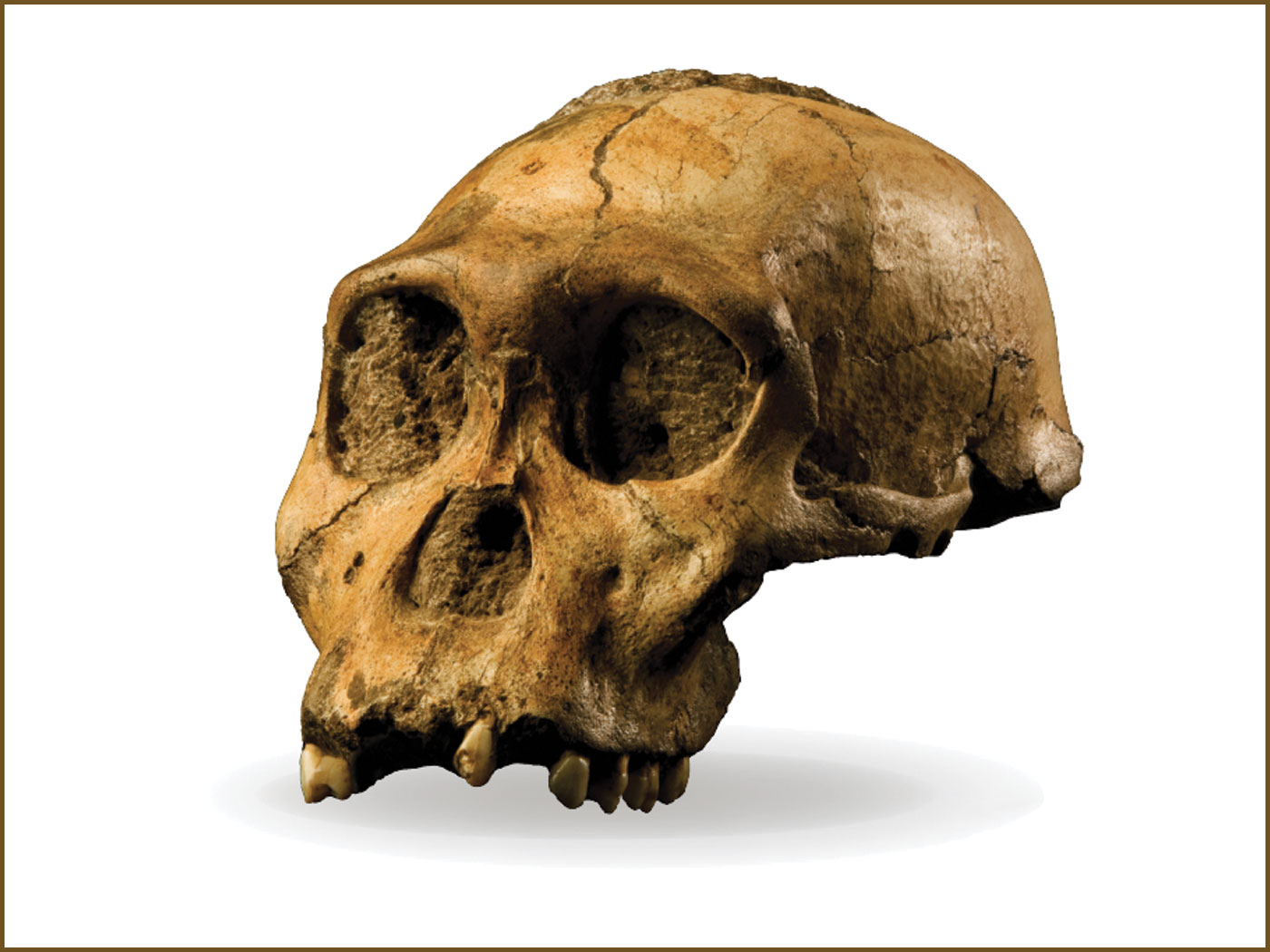
In 2010, researchers using state-of-the art technology determined that the feathers on a fossil bird, as indicated by the part of the feather they scanned, were very dark when the bird was still living.1 Now a few years later, another team scanned even more of the feathers, and the new information paints a clearer plumage picture. But in the process of reporting the results, some are mixing fact with fiction.
The researchers based at the University of Manchester's School of Earth, Atmospheric and Environmental Sciences used scanning X-ray technology housed at Stanford University's SLAC National Accelerator Laboratory. Their results showed that the bird, a supposedly 130 million-year-old archaeopteryx, had light-colored feathers with darkened tips.
How could a fossil of that age possibly reveal that level of detail?
"They found trace-metals that have been shown to be associated with pigment and organic sulphur compounds that could only have come from the animal's original feathers," according to news from the University of Manchester.2
But organic molecules like pigments, and especially proteins, shouldn't be there if the specimen is older than a million years. These results challenge the "millions of years" date assigned to this fossil. However, deep-time believers might sometimes suppress contraindicating evidence like this. Lead author of the paper, Phil Manning, published in the Journal of Analytical Atomic Spectrometry, said, "The fact that these compounds have been preserved in-place for 150 million years is extraordinary."2
Fact? What scientific experiment verified the 150 million years as "fact?"
The factual part of this story, verified by scientific observation, identifies original archaeopteryx biochemistry still encased in rock. The "millions of years" part of the story is really the "extraordinary" part—too extraordinary for common sense.
References
- Thomas, B. Archaeopteryx Fossil Shows 'Striking' Tissue Preservation. Creation Science Updates. Posted on icr.org May 19, 2010, accessed June 14, 2013.
- X-rays reveal new picture of 'dinobird' plumage patterns. University of Manchester News. Posted on manchesteracuk on June 12, 2013, accessed June 14, 2013.
Image credit: Brian Thomas
* Mr. Thomas is Science Writer at the Institute for Creation Research.
Article posted on June 19, 2013.