Archaeans are amazing microbes that run on completely different metabolic processes than other microbes. Discovering the first of them must have been like finding a car that runs on hydrogen fuel cells amidst a landscape of gasoline-powered vehicles. This was the privilege of evolutionary biologist Carl Woese, who died on December 30, 2012.1 How did he interpret these findings, and what should we remember about his contributions?
Woese was famous for adding a whole new major classification of microbes, called archaea, that biology textbooks published about well within his lifetime. But the name assigned to this unique domain of life reflects evolutionary concepts, not science.
The biochemistry of these tiny survivors is so fundamentally different from most oxygen-burning creatures that evolutionists like Woese believed it must have evolved way back when the first normally-functioning bacteria were also inventing themselves. The name "archaea" derives from the Greek word "arkhaios," meaning ancient or primitive.
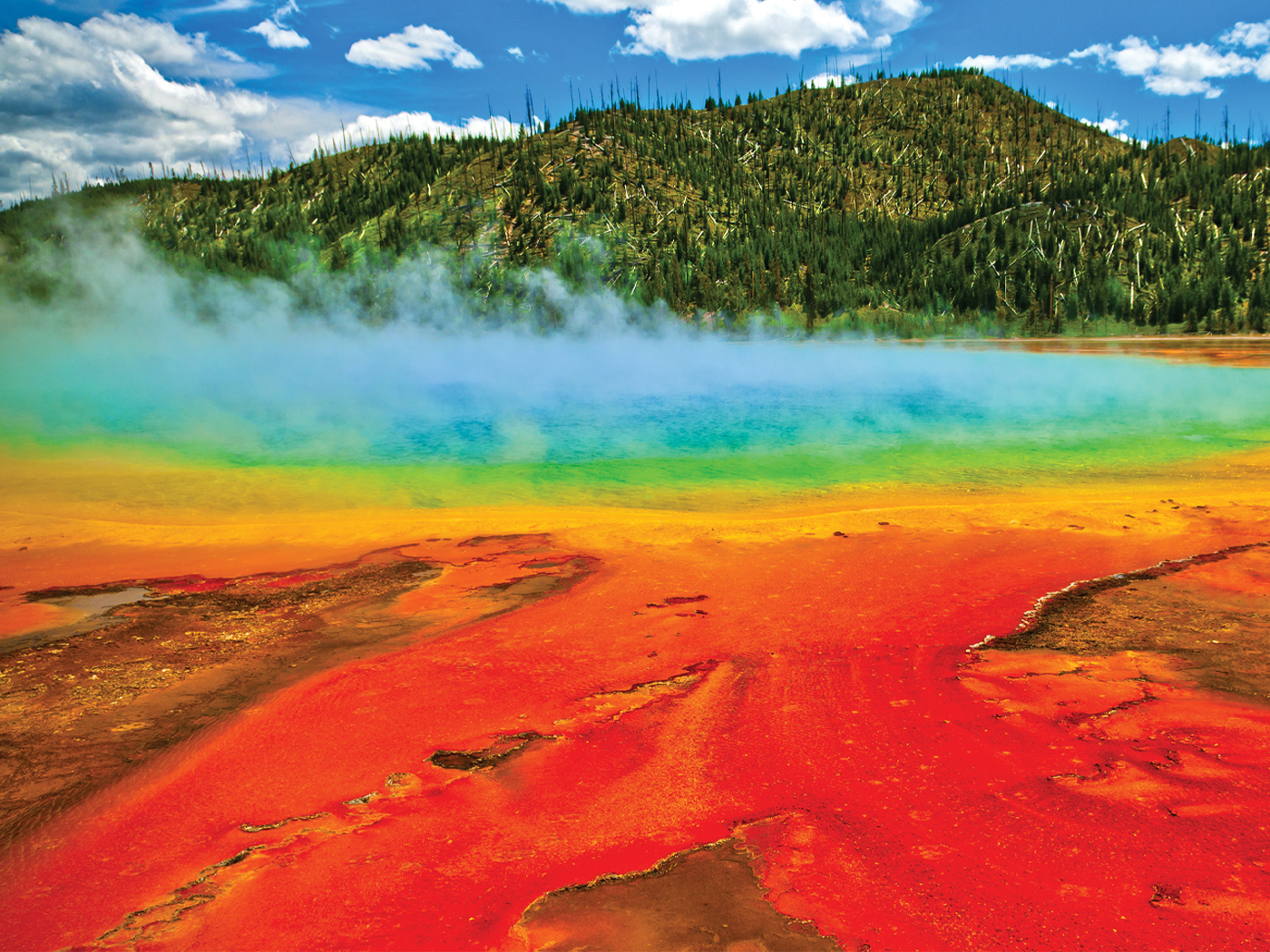
But though these bacteria defy so many norms of microbial life, they don't appear ancient at all. Scientists observe them alive today, albeit in hostile places like deep sea toxic vents. Why call them ancient if scientists did not actually observe them billions of supposed years ago?
In fact, Woese was familiar with at least two reasons why archaea could never have evolved. First, their fundamentally different biochemistry is fully formed and well designed.2 It consists of interdependent arrays of molecular machines with form-fitted protein parts. Nature alone couldn't generate all of the miraculous biochemistry on which familiar oxygen-burning cells depend, just like nature alone couldn't generate gasoline burning engines in cars.3 Therefore the discovery of bacteria that live on sulfur, for example, doubles both the biochemical barriers that evolution cannot hurdle and the credit that the Creator deserves for constructing them.4
Second, without microbes and other organisms with extreme diets, like those that eat oil5 or survive radiation6 and other extreme living conditions like saturated salt, the life-giving properties of earth's atmosphere would not exist. Woese told The New York Times in 1996, "If microbial life were to disappear, that would be it -- instant death for the planet."7 That means Woese was familiar with the appearance of purpose in bacteria on a planetary level—they appear to have been created to maintain the grand earth systems that support plants and animals.8
Revealing the amazing designs of archaeans' unique ways of life is commendable, but naming them "archaean" merely reinforces unscientific evolutionary ideas. Unfortunately, Woese's legacy includes twisting the facts of God's creation to fit the falsehood of evolution.
References
- Zielinska, E. Evolutionary Biologist Dies. The Scientist. Posted on the-scientist.com January 2, 2013, accessed January 8, 2013.
- Thomas, B. Exploring Earth's Extremes in a Futile Quest for Life in Space. Creation Science Update. May 11, 2010, accessed January 8, 2013.
- Morton, J. S. 1980. Glycolysis and Alcoholic Fermentation. Acts & Facts. 9 (12).
- Sherwin, F. Reheating the Prebiotic Soup. Institute for Creation Research. Posted on icr.org September 1, 2003, accessed January 8, 2013.
- Thomas, B. Oil-eating Bacteria Are Cleaning Up Gulf. Creation Science Update. Posted on icr.org August 27, 2010, accessed January 8, 2013.
- Thomas, B. Life Thrives amid Chernobyl's Leftover Radiation. Creation Science Update. Posted on icr.org February 8, 2011, accessed January 8, 2013.
- Blakeslee, S. Microbial Life's Steadfast Champion. The New York Times. Posted on nytimes.com October 15, 1996, accessed January 8, 2013.
- Thomas, B. New Insights into Earth's Nitrogen-Balancing System. Creation Science Update. Posted on icr.org November 21, 2011, accessed January 8, 2013.
Image credit: National Oceanic and Atmospheric Administration
* Mr. Thomas is Science Writer at the Institute for Creation Research.
Article posted on January 14, 2013.