Like elephants and a few other animals, rhinoceroses are among the last of the large animals called "megafauna." Rhinos exist in African, Indonesian, Javan, Indian, and Sumatran varieties.1 They are also among the rarest animals in the wild.
The International Union for Conservation of Nature declared the Western Black Rhino officially extinct this year. The Northern White Rhino, also from Africa, may be on its way out as well, and the last Javan Rhino in Vietnam may be gone for good.2
Poachers are notorious for killing the large animals in order to harvest their highly valued horns, which some believe have medicinal properties, including use as an aphrodisiac. The horn is made of the protein keratin, the primary component of fingernails and hair.
This confirms what researchers generally observe about the extinction of species: The primary cause is interaction with humans. When mankind moves into an area, some of the first animals to face destruction are those that are the most threatening, such as the megafauna. Thus, recent centuries have seen the demise of such giants as Haast's eagle3 and the moa, a giant flightless bird.4
"The current extinction crisis is caused primarily by human impacts upon wild populations," according to UK biologist Rosie Woodroffe, who wrote on the declining populations of large carnivores.5
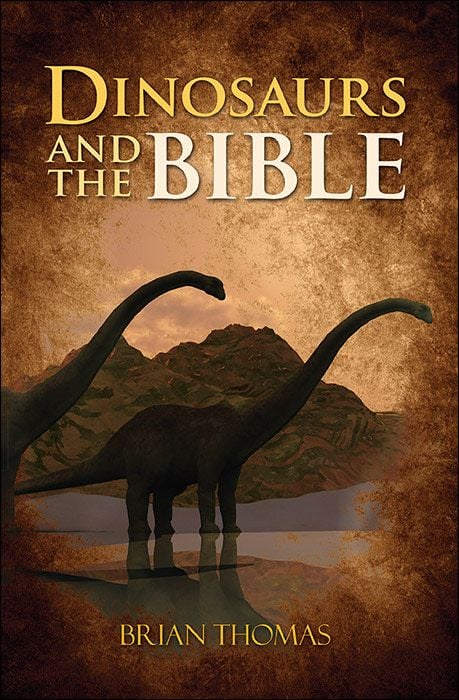
Rhinos are not carnivores, but in addition to being valued for their horns, they are large and can be dangerous if they are frightened or challenged. Thus, it stands to reason that if humans primarily cause the current extinctions of megafauna, then they may have caused past extinctions as well.6 That could help explain the plethora of legends, found in all cultures, of heroes killing dragons, which were probably dinosaurs in many cases.7
Why did the dinosaurs go extinct? One very likely factor—among others, such as climate changes after the Flood—is the same reason the black rhinoceros and so many other megafauna have died out: People moved in and eliminated them.
References
- The Indian and Sumatran rhinos have one horn, while the other varieties have two. The single-horn rhinos used to enjoy a much wider distribution and were known to ancient Bible authors. The King James translators chose the word "unicorn"—the Middle English word for what is today called a one-horned rhinoceros—to translate re'em, the Hebrew word used for these creatures.
- Another Leap towards the Barometer of Life. The IUCN Red List of Threatened Species news release, November 10, 2011.
- Thomas, B. Child-Eating Eagle No Longer a Myth. ICR News. Posted on icr.org September 24, 2009, accessed November 10, 2011.
- Wieland, C. 1996. Giant egg mystery. Creation. 19 (1): 50.
- Woodroffe, R. 2000. Predators and people: using human densities to interpret declines of large carnivores. Animal Conservation. 3 (2): 165.
- Thomas, B. What Caused the Extinction of Ice Age Animals? ICR News. Posted on icr.org September 8, 2010, accessed November 10, 2011.
- Morris, J. 2008. The Dinosaur Next Door. Acts & Facts. 37 (6): 13; see also Thomas, B. Is There Some Truth to Dragon Myths? ICR News. Posted on icr.org July 2, 2009, accessed November 10, 2011.
* Mr. Thomas is Science Writer at the Institute for Creation Research.
Article posted on November 17, 2011.